


The gaming industry continues to be disrupted by memory shortages and the resulting skyrocketing prices. The industry’s major players are well aware of this and now expect tougher times ahead.
In its latest financial report, AMD announced excellent results for its first fiscal quarter. The manufacturer recorded $3.6 billion in revenue for the gaming segment, a dramatic 23% increase year-over-year.
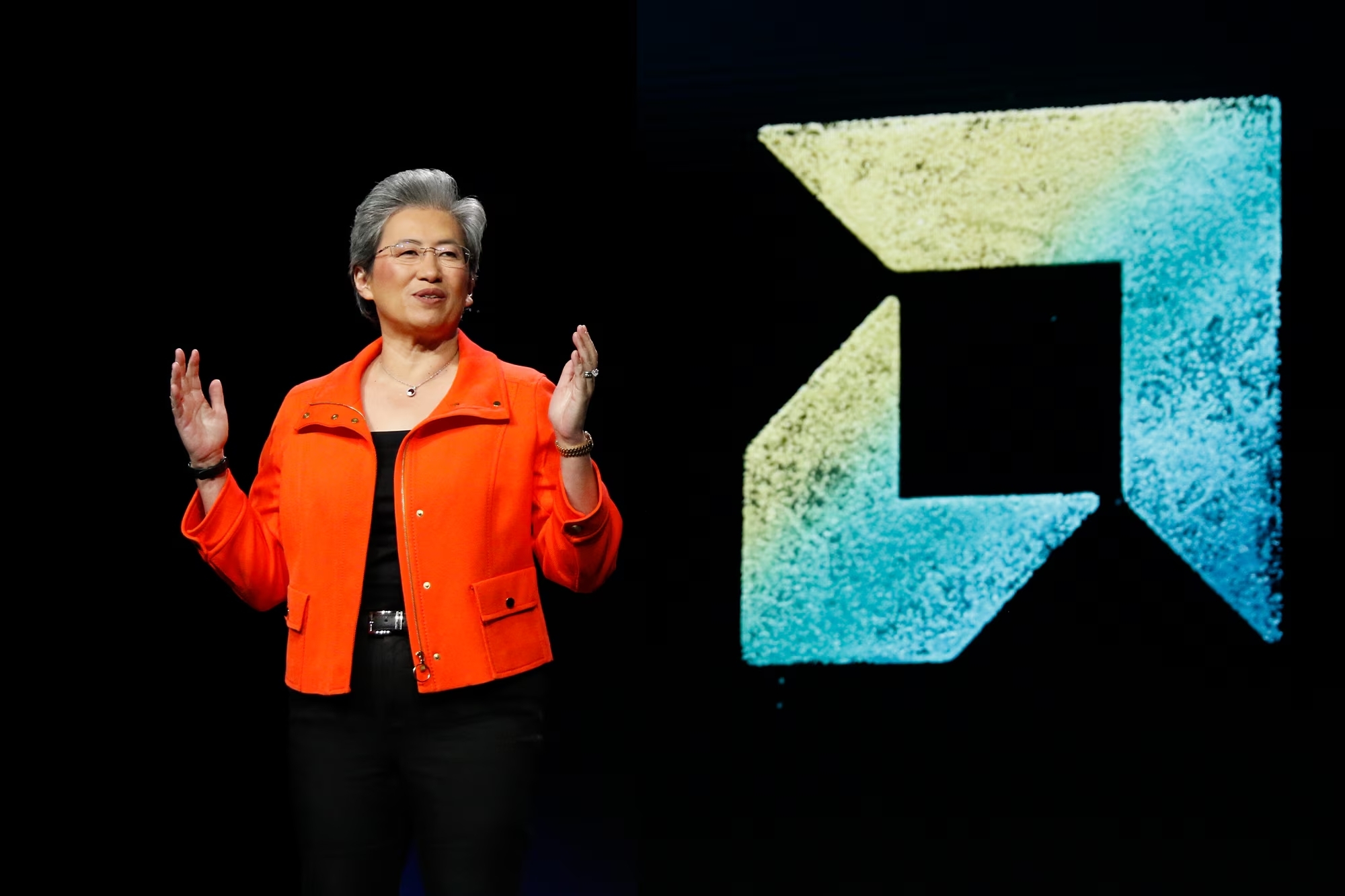
However, the U.S. company now expects this same figure to drop by more than 20% in the second quarter compared to the first. Lisa Su, AMD’s CEO, highlighted this in her statement.
« For the second quarter, we anticipate sustained demand for our Ryzen processors. However, we anticipate a decline in PC shipments in the second half of the year due to rising memory and component costs. Despite this environment, we anticipate year-over-year revenue growth that exceeds the market average, driven by the performance of our Ryzen lineup and its growing adoption by businesses.
Like the PC market, we believe that demand for video games in the second half of the year will be impacted by rising memory and component costs, and we are adjusting our strategy accordingly. »

It’s interesting to see AMD’s insights on the current state of the gaming and PC markets. The challenges posed by memory shortages are certainly impacting many players in the industry. It’ll be intriguing to see how things evolve in the coming months.
It’s definitely a unique perspective from AMD, especially considering how memory shortages are impacting production costs. It will be intriguing to see how this affects game development timelines and the overall innovation in the industry moving forward.
You’re right; AMD’s insights are quite revealing. It’s interesting to consider how these memory shortages might also affect game development timelines and new releases, potentially leading to a ripple effect in the gaming community.