


Valve has moved to dismiss a lawsuit brought by the New York attorney general, Letitia James, in February this year, which argues that “children and adults alike illegally gamble for the chance to win virtual prizes” in Counter-Strike 2. Some of the arguments that Valve brings forward in its motion are familiar: this isn’t the first time it’s compared loot boxes to baseball cards.
The case brought by the state of New York essentially argues that Counter-Strike 2’s item boxes are a form of unregulated gambling (per the Courthouse News Service). Counter-Strike 2 awards players cases on a semi-regular basis, each of which contains a random item from a particular skin collection and requires a key costing $2.49—though players can also choose other rewards that do not require keys.
“Each of those transactions—and many more like them—involves a purchase of randomized items that can be resold for cash,” Valve’s legal team writes in the filing. “No court has allowed the executive branch to criminalize overnight such ‘a breathtaking amount of commonplace’ conduct not specifically proscribed by a statute. This court should not be the first.”
Valve’s lawyers, from Milbank LLP, further argue that loot boxes simply don’t fit the statutory definition of gambling. “Because every player always receives exactly what he paid for—one skin per mystery box—there is no ‘stake’ or ‘risk.’ While users enjoy and subjectively value skins, they are not money, property, tokens exchangeable for money or property, credits, or promises, so as a matter of law they are not ‘something of value’ as that term is defined under New York gambling law.”
The filing goes on to say that because users are paying that “flat fee” for “a random skin,” there is “no wagering agreement with Valve.” Valve’s lawyers further argue that loot boxes are more akin to things like baseball cards, Labubus, comic book grab bags, cereal and Happy Meal toys, and various other “mystery” products.
“People enjoy surprises,” the filing states “Part of the appeal of many popular collectibles, from baseball cards to cereal boxes, is the possibility of opening a sealed package and being surprised with a rare item… No legislature or court has ever deemed that act illegal gambling.”
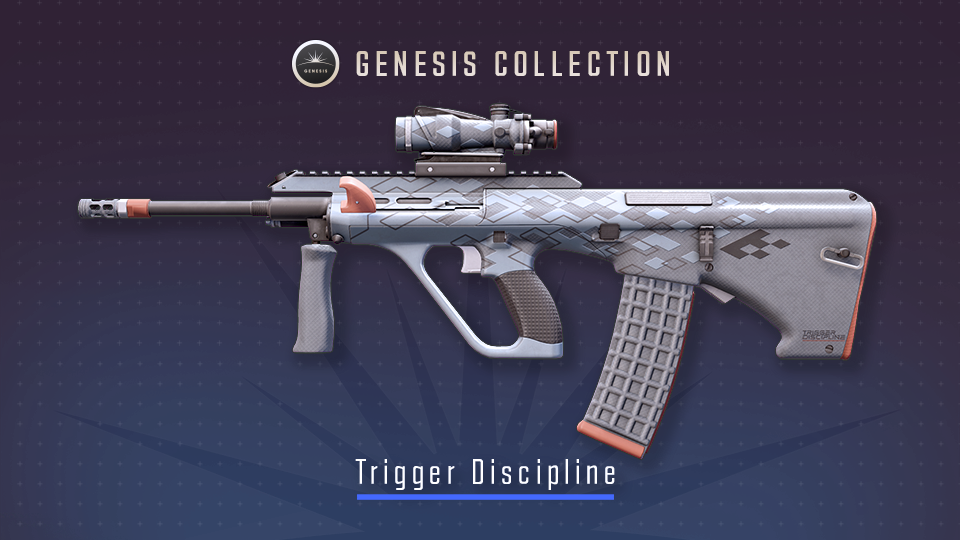
The reason Valve is keen on the baseball card comparison is simple: the state argues that Counter-Strike skins have value because players can re-sell them, both via Steam and via third-party trading sites. There are no shortage of examples of guns being sold for allegedly eye-watering amounts.
But you know what else has an enormous secondary market? Baseball cards. As Valve’s defense filing states, “While there is an element of randomness in opening a baseball card pack that includes a one-of-a-kind Aaron Judge rookie card, no legislature or court has ever deemed that act illegal gambling.” The modern record for a baseball card sale is for a 2013 Bowman Chrome Draft Superfractor Autograph 1/1 Aaron Judge rookie card, which sold privately for an astonishing $5.2 million.
Valve then goes a little bit Saul Goodman:
“Can parents purchase packs of baseball cards for their children? Can families go to Chuck E. Cheese to play games of chance and exchange winning tickets for prizes? Can a child reach into a cereal box and grab a surprise toy? All these actions and more could lead to chargeable crimes under NYAG’s interpretation of gambling.”
It says this would be “nonsensical” and is asking the judge, New York Supreme Court Justice Nancy Bannon, to dismiss the case with prejudice.
Valve has in recent years changed how Counter-Strike 2 and its predecessor CS:GO award in-game items, with the most notable change being that players can now opt for weekly rewards and avoid randomized item boxes completely should they wish. Some changes have been forced upon the company: in Germany, Valve was forced to add an item that allows players to see what’s inside a case before opening it to stay in-line with the country’s gambling regulations.
New York is pursuing a similarly impactful ruling: The state’s lawsuit seeks damages equivalent to three times the amount that Valve has made in profit from loot boxes, and for the company to be unable to sell them in New York in future.

2026 games: All the upcoming games
Best PC games: Our all-time favorites
Free PC games: Freebie fest
Best FPS games: Finest gunplay
Best RPGs: Grand adventures
Best co-op games: Better together