


On first glance, Nioh 3 seems like a continuation of Team Ninja’s brutally fast action-RPG formula. Yet, as you scythe your way through, you’ll find plenty of meaningful iteration over its predecessor. Yes, Ki management remains central to survival, mastery still demands clinical precision, and the Yokai are as tough as ever, but the threequel also expands on player choice and build identity, introducing newfound tactical nuance by sharpening moment-to-moment decision-making. Nioh 2 often rewarded optimisation and exploitation; Nioh 3, instead, demands you adapt on-the-fly, with combat being the most expressive the series has ever seen.
After this, if you’re thirsty for more Nioh 3 coverage you should check out our “15 Things to Know” feature where we put moveset, exploration, weapon changes, and more through its paces. For now, sharpen your steel and lock-on – we’re covering fifteen of Nioh 3’s biggest gameplay differences over Nioh 2.
Gameplay Philosophy Shifts Toward Player Agency
In Nioh 2, player freedom largely came from mastering systems within a relatively narrow framework. Builds could become powerful, but success often hinged on optimising for a fixed set of mechanics. Nioh 3, instead, widens the lens, making player choice the beating heart of its design: combat styles, abilities, progression, exploration, the game constantly presents multiple viable approaches. Rather than pushing you down a set path, Nioh 3 says “hey, it’s cool to experiment so long as you can adapt too.” The result: different playstyles co-exist unlike before.
Builds are Defined by Playstyle
While Nioh 3’s two playstyles – Samurai and Ninja – require you to manage two distinct builds simultaneously, weapons, loot, upgrades, and all, it’s the identity of each class that you’ll lean into when defining both sides of your character. For Nioh veterans, the Samurai is home – the heavy-hitting stalwart closely replicates player-characters of earlier entries. As such, you might equip for reach, defence, to beat down and to pummel. The quick and nimble Ninja is more lightweight, switching Ōdachi Swords for Talons. The two grow more complimentary as you progress, swapping between both to out-manoeuvre and overpower the game’s Yokai threat – providing a much broader toolkit compared to Nioh 2, where builds were shaped by gear optimisation and stat allocation, locking them into a singular approach.
Each Playstyle Encourages Distinct Tactical Approaches
Where Nioh 2 had you specialising in stances, Nioh 3’s dual playstyles actively encourage distinct tactical mindsets within the same encounter. The Ninja style excels at rapid-fire positioning, evasion, and dealing high-damage when striking from behind, rewarding reactive, opportunistic play. The Samurai, by contrast, is better suited to direct confrontation, capitalising on staggering enemies via sustained pressure. Nioh 3 demands you use both together, providing more flexibility than was ever possible in Nioh 2.
Samurai’s Arts Gauge Rewards Attacking and Defensive Proficiency
Nioh 3’s Samurai style introduces the “Arts Proficiency Gauge”, a meter which charges by stringing attacks and executing well-timed deflections. When full, powerful buffs are unleashed: increasing damage, reducing Ki cost, and giving ability to chain powerful Martial Arts together. Where Nioh 2 featured a wide range of active skills, Nioh 3’s system rewards you for maintaining momentum without overcommitting; in essence, controlling your aggression. The result is a more engaging form of melee combat, enhancing beyond Nioh 2’s ideas.
Ninja Introduces New Combat Identity
Perhaps the most radical of Nioh 3’s innovations is the all-new Ninja playstyle. Unlike Nioh 2’s stance-based combat – which the Samurai’s traditional swordplay replicates in Nioh 3 – the Ninja introduces mobility, evasion, and tactical tool usage. The main departure is Mist in place of Ki Pulse, a dodge which leaves a shadowy decoy while giving opportunity to backstab – where the Ninja deals the most powerful damage. His moveset becomes more vertical thanks to jumps and double-jumps, opening up aerial attack and repositioning opportunities which simply didn’t exist in Nioh 2.
Both Playstyles Bring New Weapons
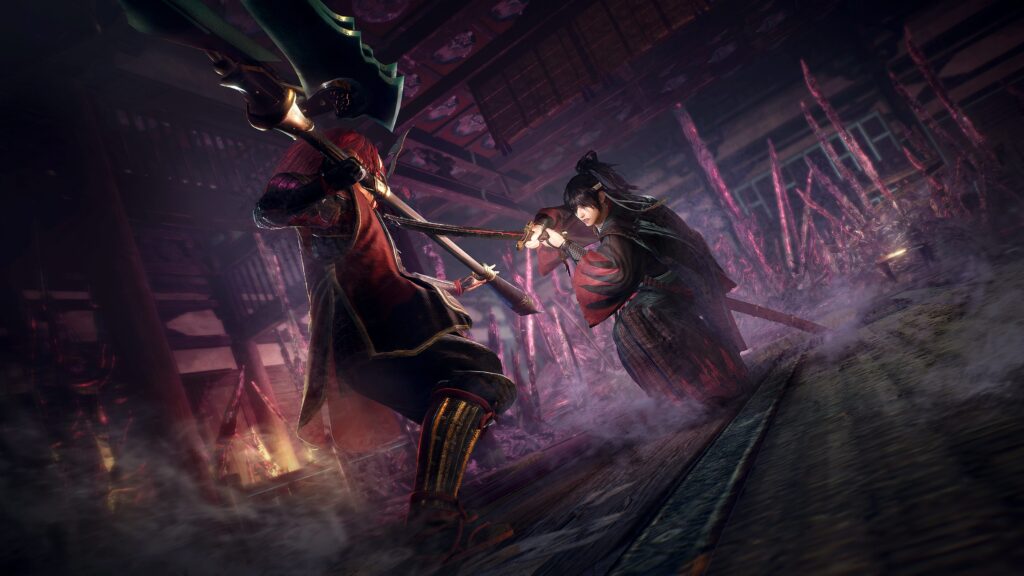
Our “15 Things” feature mentioned that both Samurai and Ninja playstyles bring their own unique weapons to the fray, but we didn’t describe any of Nioh 3’s new arsenal additions. The Samurai now clenches his fists in battle using Caestus, bluntly pounding his foes to skull-crushing satisfaction. He’s equipped with firearms like gatling guns and rifles too, bringing range to his threat. The Ninja wields fast, combo-focused Ninja swords, has talon claws for aerial takedowns, plus a “Tailwind” hatchet skill which executes a rapid follow-up attack to keep the pressure on.
Burst Breaks are a New Form of Counter
Nioh 3 expands on its predecessor’s counter mechanics with the introduction of Burst Breaks, a powerful new defensive option tied to playstyle switching. By interrupting red Yokai attacks with a deftly timed swap between Samurai and Ninja, you’ll create significant openings for counter damage. Nioh 2 featured numerous ways to counteract enemy aggression, but Burst Breaks are an evolution intrinsically tied to Nioh 3’s dual combat styles; a deliberate manoeuvre beyond a simple deflection.
Smoother, More Continuous Combat Flow
All these new mechanics showcase one immediate difference: a smoother, more continuous combat flow from one moment to the next. In Nioh 2, fights could often feel segmented, with brief pauses to reposition or reset Ki. Through seamless style switching, Nioh 3 side-steps Nioh 2’s staccato rhythm, allowing you to preserve offensive momentum or soak up pressure.
Clearer Visual Communication
Compared to Nioh 2, Nioh 3 puts greater emphasis on visual clarity during combat. Each playstyle features distinct visual cues and enemy attacks are more clearly telegraphed, while environments feature sharper detail to communicate spatial boundaries. Together, these iterations reduce unnecessary distraction without diluting the game’s difficulty, assisting you in meeting the threequel’s demand to read, react, and to adapt to its complexity on-the-fly.
Greater Emphasis on Mechanical Understanding
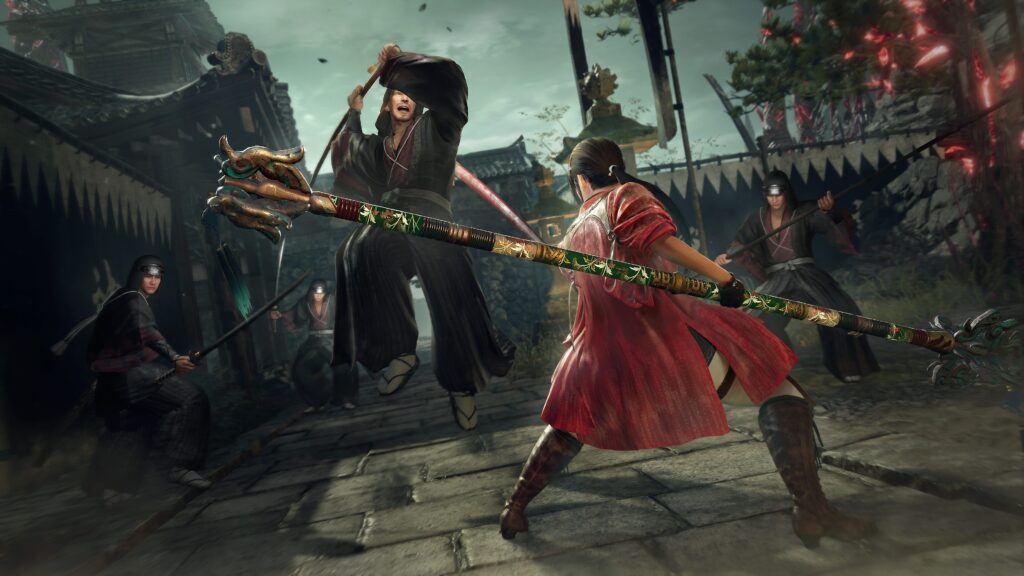
And as a result of all the gameplay differences discussed so far, Nioh 3 rewards your mechanical understanding rather than allowing you to rely on exploit-heavy strategies. Nioh 2 sometimes enabled you to create all-powerful builds to dominate through brute force and repetition, while Nioh 3 places value on build choices and real-time adaption. Survival very much depends on understanding how its new systems interact in the moment.
More Varied Enemy Pressure and Encounter Design
Nioh 3 introduces a wider range of enemy behaviours, creating more dynamic encounters than Nioh 2. Rather than relying on you familiarising patterns and potentially reaching staleness, enemies in Nioh 3 are more likely to apply pressure in different ways, forcing you to constantly reassess your strategy. Not that Nioh 2 often felt passive or procedural, but these changes are another way the game pushes you to engage with its expanded combat systems.
A Difficulty Curve Shaped by Exploration
Thanks to its more open structure, Nioh 3 gives you greater control over how and when difficulty escalates. Unlike Nioh 2 which followed a linear path, now you can chart your own exploration, attempt to beat optional challenges, or abandon a tricky fight to return when better prepared. This creates a self-curated difficulty curve, giving you newfound ways to manage the challenge.
Skill Progression has Been Deepened
Building on Nioh 2’s deep skill system, Nioh 3 overhauls skill progression to support its greater emphasis on mechanical mastery. While exploration-based skills we’ve covered already in our “15 Things” feature, deeper weapon skill trees provide each weapon type with their own extensive progression paths, clearly signposting you toward specialising in your favourite weapons.
Streamlined Stats and Levelling
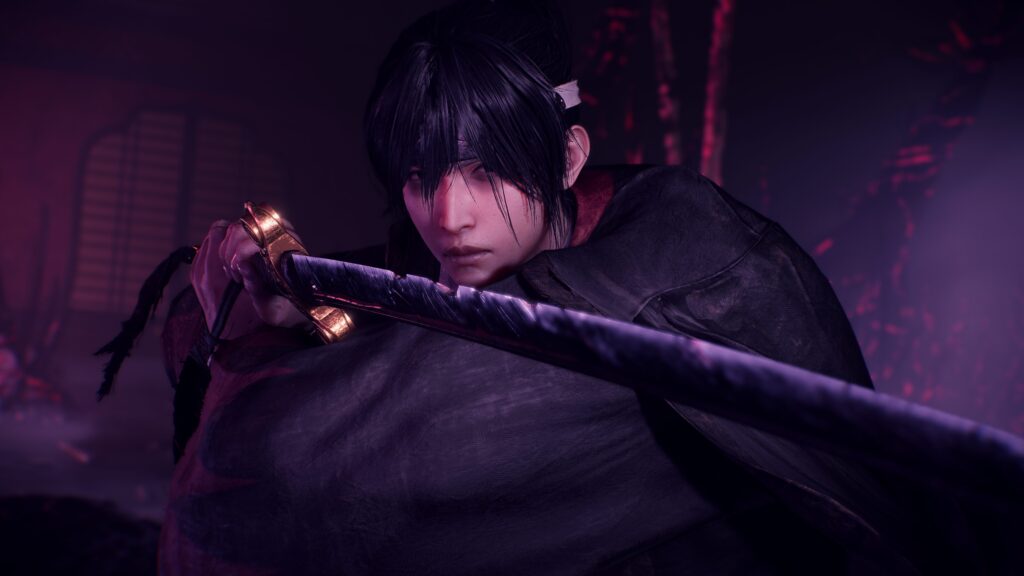
Stat and levelling systems in Nioh 3 have been adjusted to reduce unnecessary complexity, streamlining core attributes while reducing the number of stats required to level up; all with the intention to support diverse builds. The removal of certain systems from Nioh 2, such as remodeling, simplifies equipment optimisation while rebalanced attributes ensure no single stat will dominate every player’s build.
More Robust Character Creation
And, supporting Nioh 3’s shift to dual combat styles is a character creation suite which builds upon Nioh 2’s already robust system. You can design completely different looks for each persona, with a wide range of distinct body shapes, heights, and facial features to suit the archetype of both the Samurai and the Ninja. Furthermore, Nioh 3 allows more granularity than its predecessor, with custom tattoo placement and editable hair adding personal flair.