


Despite being the most-hyped thing at Gamescom last year, topping Steam wishlists and raking in nearly 1.4 million concurrent players shortly after launch, Monster Hunter Wilds is struggling to pull in the sales even compared to its four-year-old predecessor.
As reported by Eurogamer, Capcom published its most recent financial report earlier this week covering the first half of the fiscal year—from around the start of April ’til the end of September.
Taking a gander over some of the developer’s big sellers for that time period, Monster Hunter Wilds is barely clinging onto the top 10 list, sitting right at the bottom with 637,000 units sold. That’s still not bad, mind, but perhaps surprising when framed alongside other games like previous entry Monster Hunter Rise, shifting a skosh more copies at 643,000 units.
I am surprised to see Rise beating out Wilds, but not entirely shocked to see the latter struggling behind the rest of Capcom’s big hitters. The game continues to sit at a Mixed rating on Steam, thanks in large part to its downright atrocious optimisation (which only feels a hair better eight months after release) which has even left folks with fairly beefy rigs struggling to hunt at a decent framerate.
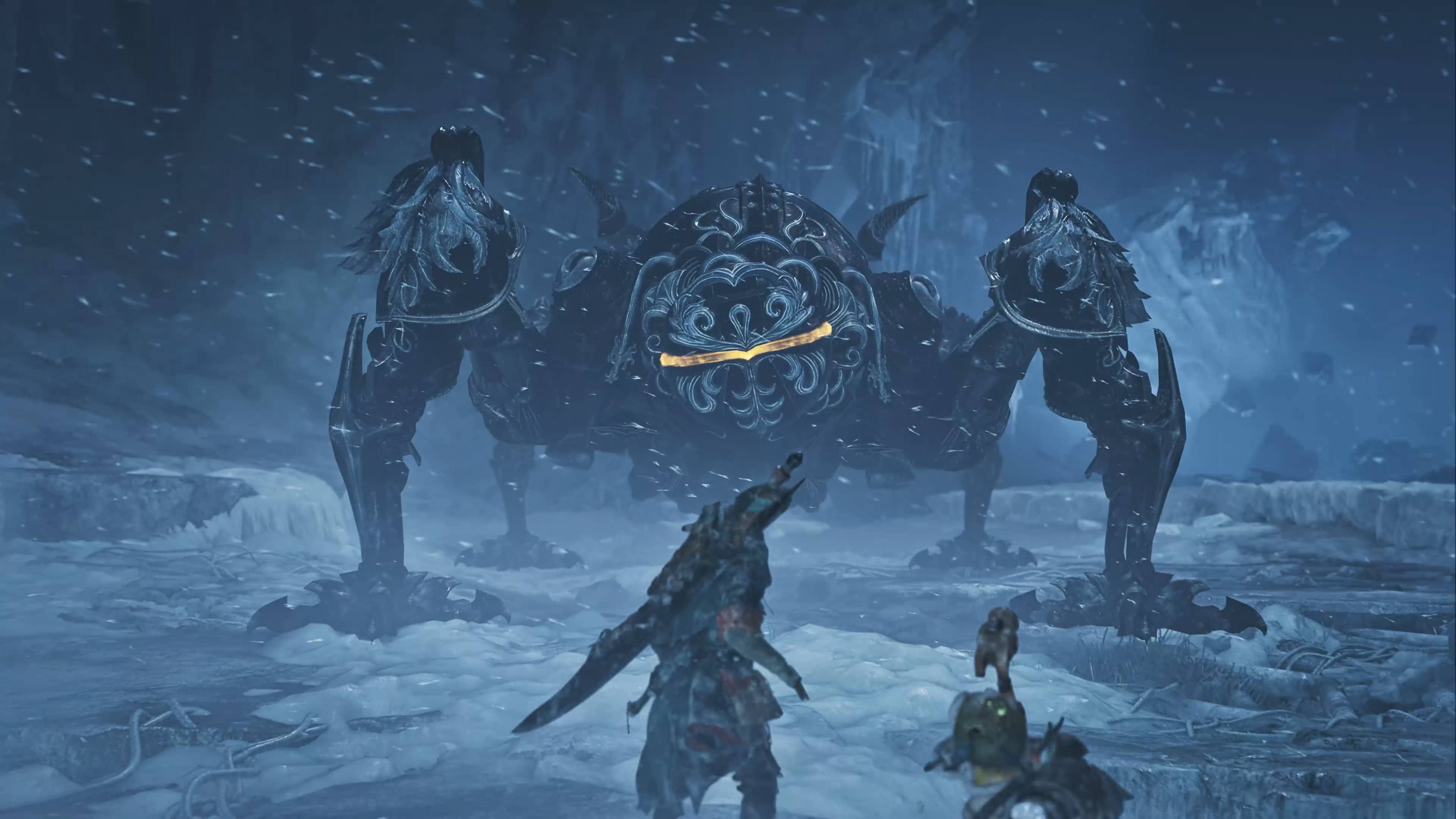
There’s also the ongoing matter of the game’s difficulty. Outside of optimisation, one of the biggest criticisms Wilds faced at launch was that folks thought it was simply just too darn easy. Now in the wake of the Final Fantasy 14 collaboration and the brutally difficult Omega Planetes fight, the tables have turned a little too rapidly. A softer difficulty curve certainly would have been nice, I have to agree there.
Those two things (and, you know, the classic post-launch, pre-inevitable-expansion lull) will have certainly contributed to Wilds not selling as highly as some other games on this list. For comparison, Street Fighter 6, which cgame out two years ago, managed to shift an extra one million copies in the first half of the financial year.
Perhaps the most surprising one here, though, is Devil May Cry topping the sales ranking with over two million units sold, tipping the lifetime sales over the 10 million mark. The report notes that the figures also include the Devil May Cry 5 Special Edition—a slightly souped-up rerelease of the original—but considering that came out almost five years ago, it’s interesting to see its popularity here.

Less surprisingly are the sales of Resident Evil games. RE: Village sold 1.5 million copies in the first half of the fiscal year, followed by Resident Evil 4 and 7. Resident Evil 2 came in just below Street Fighter 6, with the third game outselling both Monster Hunters by a smidge.
It’s still worth noting that, ultimately, Monster Hunter Wilds is still sitting on over 10 million lifetime sales. That’s not quite at Rise’s 17 million yet, nor is it the near-30 million Capcom reported for Monster Hunter: World at the beginning of the year. But I’ve no doubt that a big optimisation overhaul—perhaps strategically positioned in the run-up to whatever Wilds’ big expansion is going to be—will give the game a good ol’ bump in the future.


It’s interesting to see how game popularity can shift so quickly, especially with such strong competition. Monster Hunter Wilds had a lot of excitement around its release, so it’s surprising to see it struggling. It will be intriguing to watch how it evolves in the coming months.
Absolutely, it’s fascinating! The gaming landscape can change rapidly, influenced by factors like player feedback and updates. Monster Hunter Wilds had a lot of anticipation, but perhaps the gameplay mechanics in Rise resonated more with fans, highlighting how critical it is to adapt to player expectations.
Absolutely, it’s fascinating! The gaming landscape can change rapidly, influenced by factors like player preferences and marketing strategies. It’s interesting to see how even a highly anticipated title like Monster Hunter Wilds can struggle when compared to established favorites. It seems that player engagement and community feedback play a huge role in these shifts.