

If you’ve played a Paradox game before, you know the deal. The studios’ 4X and grand strategy games in particular tend to have very long lives supplemented by constant infusions of paid DLC, ranging from piecemeal addons to full-on expansions. It doesn’t always go to plan, and the execution was particularly spotty with Europa Universalis 4, but EU5 lead Johan Andersson reckons the problem isn’t Paradox’s DLC strategy. In fact, it’s been “pretty fucking great.”
In an interview with PC Gamer news writer Joshua Wolens, Andersson said the DLC model has been a logistical and financial win. “When we started with that system, we were a studio of 12 people. That’s [around the time Crusader Kings 2 released] and we’re doing EU4. I have no idea how big PDS Stockholm is—300, 400 500 people—I have no idea about Stockholm these days.
“We have multiple pipelines on games that are keeping them alive, so I’d say it’s a pretty great system, at least if you’re looking at success.”
While the company has met with numerous hitches in the last several years, it is a much bigger publisher than it used to be, with five internal development teams to its name. And as Andersson’s experience with Paradox Tinto goes, the DLC model is handy for reasons unrelated to business and growth.
“This system, it means that you, as a game director in charge of your project, can have complete control over when you want to release stuff,” he said. “You decide what’s going in, you decide the scope, you decide exactly when you can release and what should be released. So it’s up to you as a game director to get the good product out on using your team to be great.”
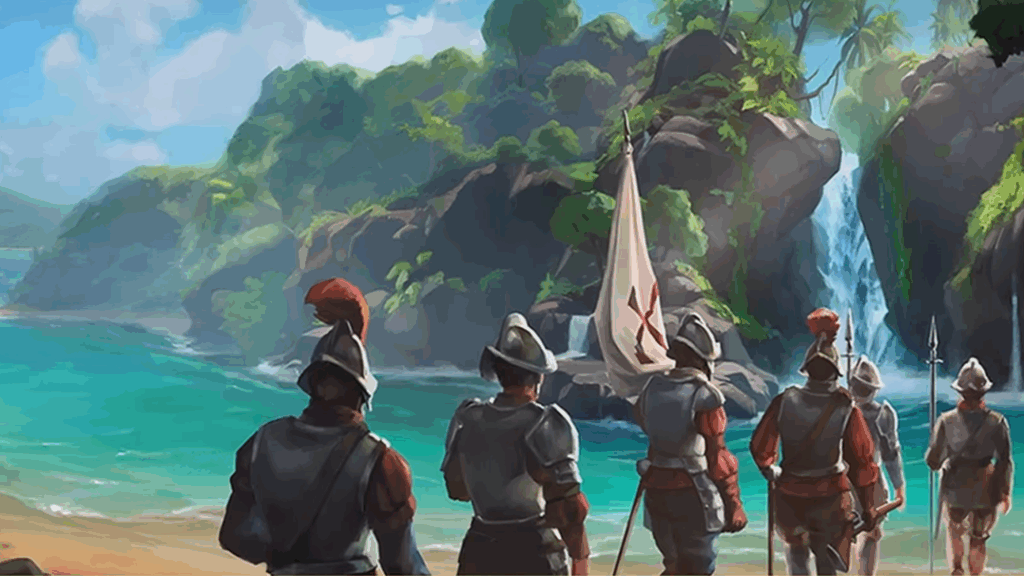
He conceded that it’s not been a perfect run: “A lot of the early ones were like, trying to find our way. Conquest of Paradise was the first big one. Like, okay, what shall we do? Let’s make a random map for the New World. It kind of worked.” After that, he said the team’s approach became more reactive to feedback, but that didn’t always yield perfect results either.
Andersson explained, “After you’ve been doing them for a while, you run out of ideas; we promised to make a naval focused one, but we can’t come up with a great design for the ideas. And then you end up with Mare Nostrum. If you Google and check that one out, nobody hates it. Nobody likes it. Just boring, mid.”
When asked if he was concerned that players coming from a fully kitted-out EU4 save to vanilla EU5 might feel like something was missing, Andersson said he’s “been thinking about it a lot” but that “this is nothing to worry about, because pretty much every feature that we’ve added to EU4 in patches or free updates have been either ported or a new system has replaced them.”
As for EU5’s DLC plans, Andersson said he is hopeful the Paradox model will continue to bear fruit.
“I think that EU5 can be a good long-term platform,” he said. “There’s a lot of countries in the world, a lot of history, that we can create content around to have a supportive framework for many years.”
2025 games: This year’s upcoming releases
Best PC games: Our all-time favorites
Free PC games: Freebie fest
Best FPS games: Finest gunplay
Best RPGs: Grand adventures
Best co-op games: Better together


It’s great to hear Johan Andersson share his thoughts on the DLC model! Paradox’s approach certainly gives players a lot of control and flexibility, which can enhance the gaming experience. It’s always interesting to see how developers adapt their strategies to meet players’ needs.
has allowed for a lot of flexibility and creativity in game development. It’s interesting how this model not only empowers players to choose what they want but also keeps the game fresh with regular updates. I’m curious to see how they’ll continue to expand on this strategy in future releases!
It really has opened up opportunities for developers to explore unique game mechanics. The way Paradox engages with its community for feedback also helps tailor the DLCs to what players truly want, enhancing the overall experience. It’s a great example of collaboration in the gaming industry!