
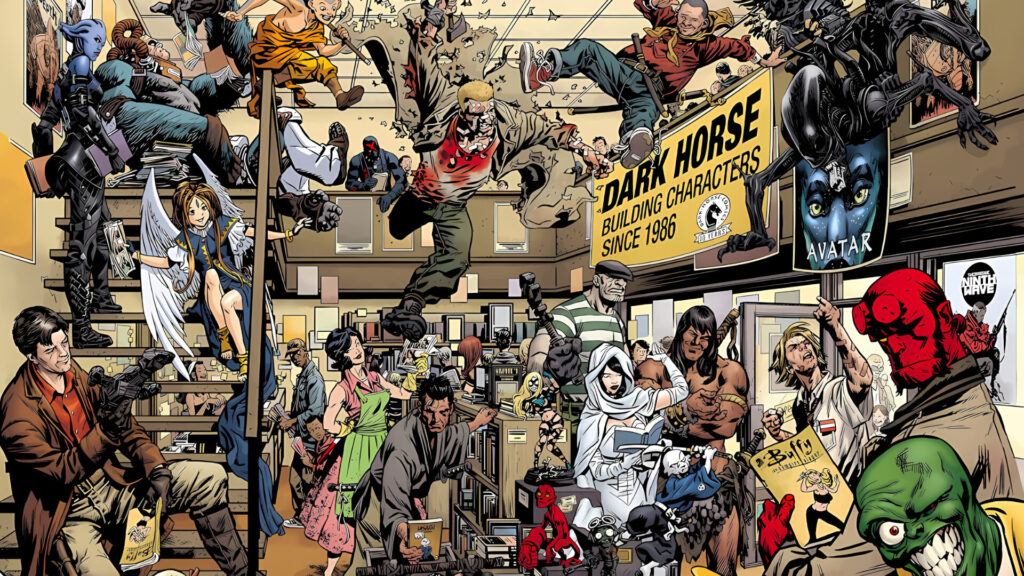

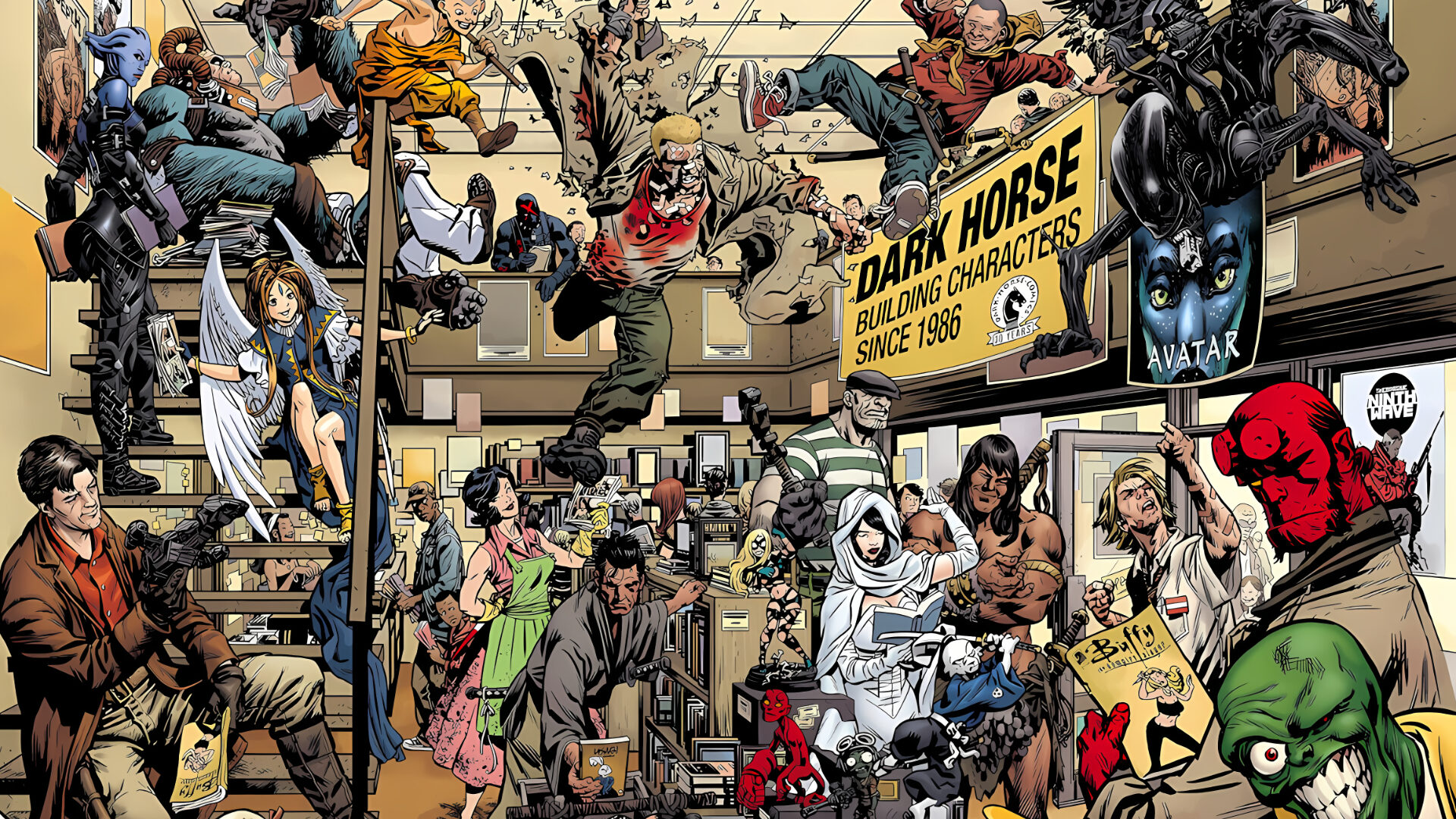
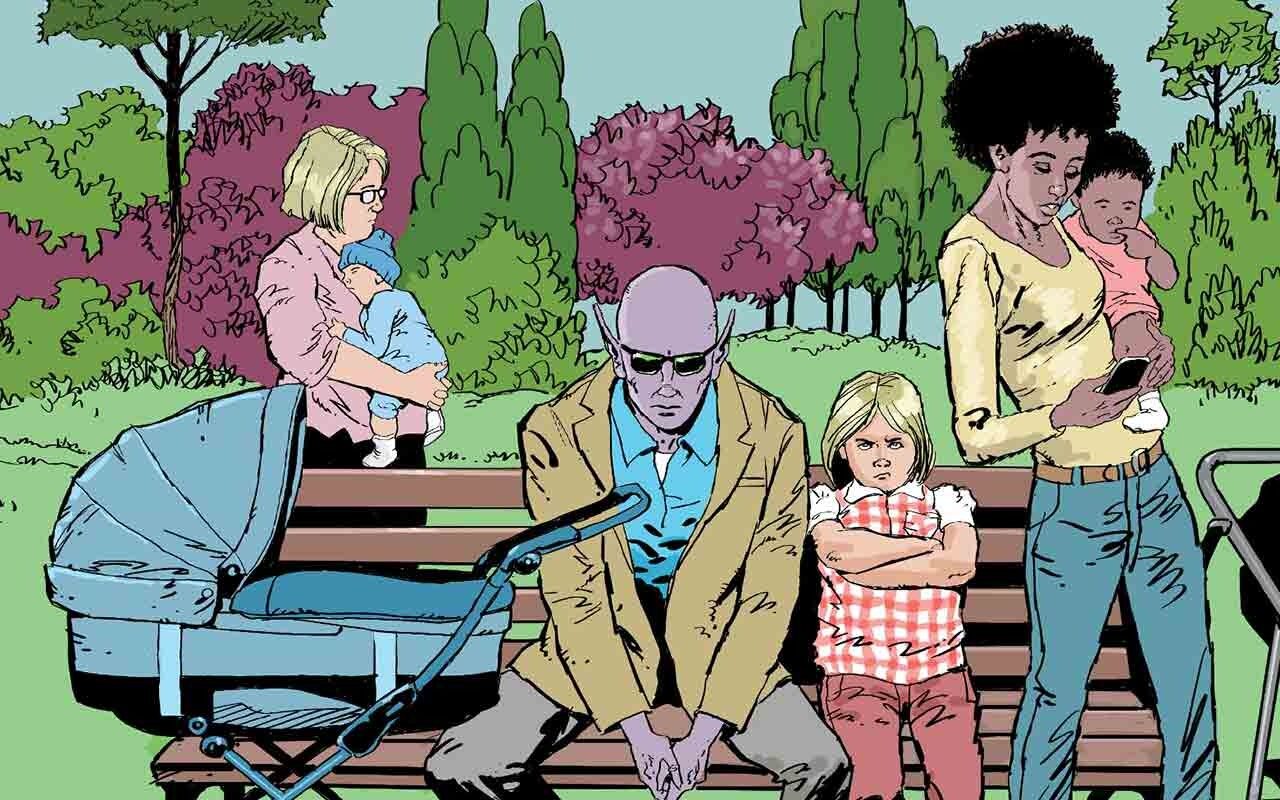
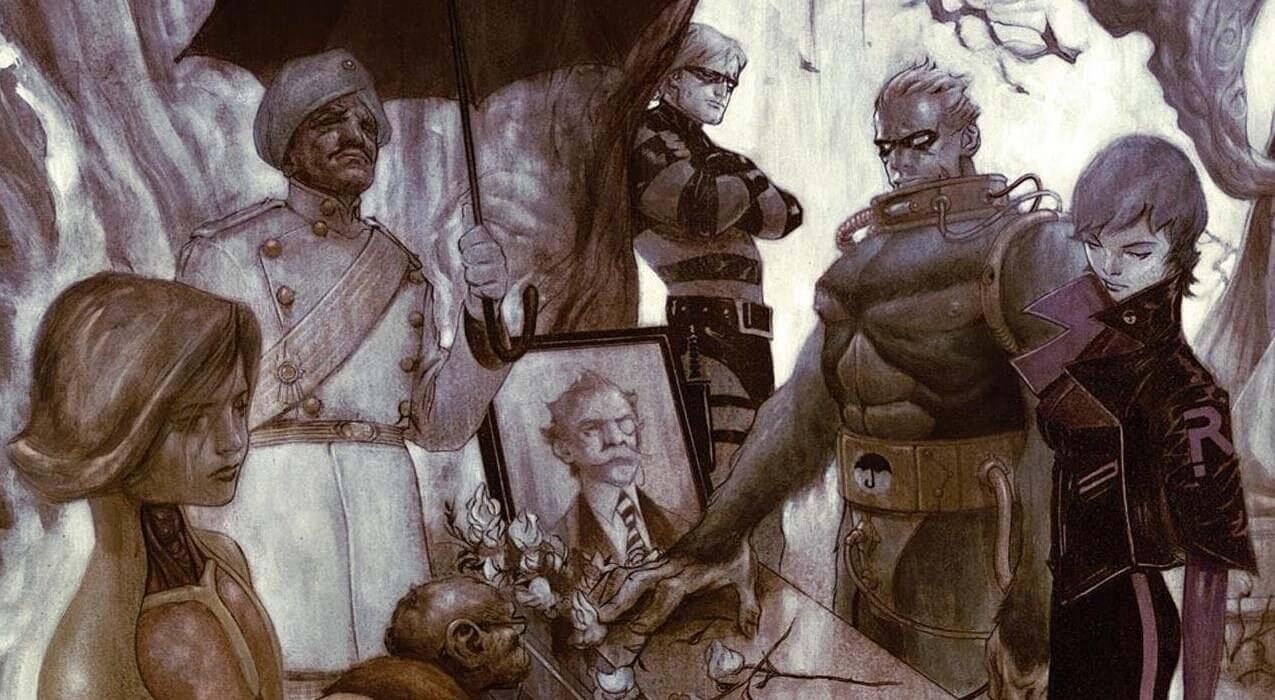
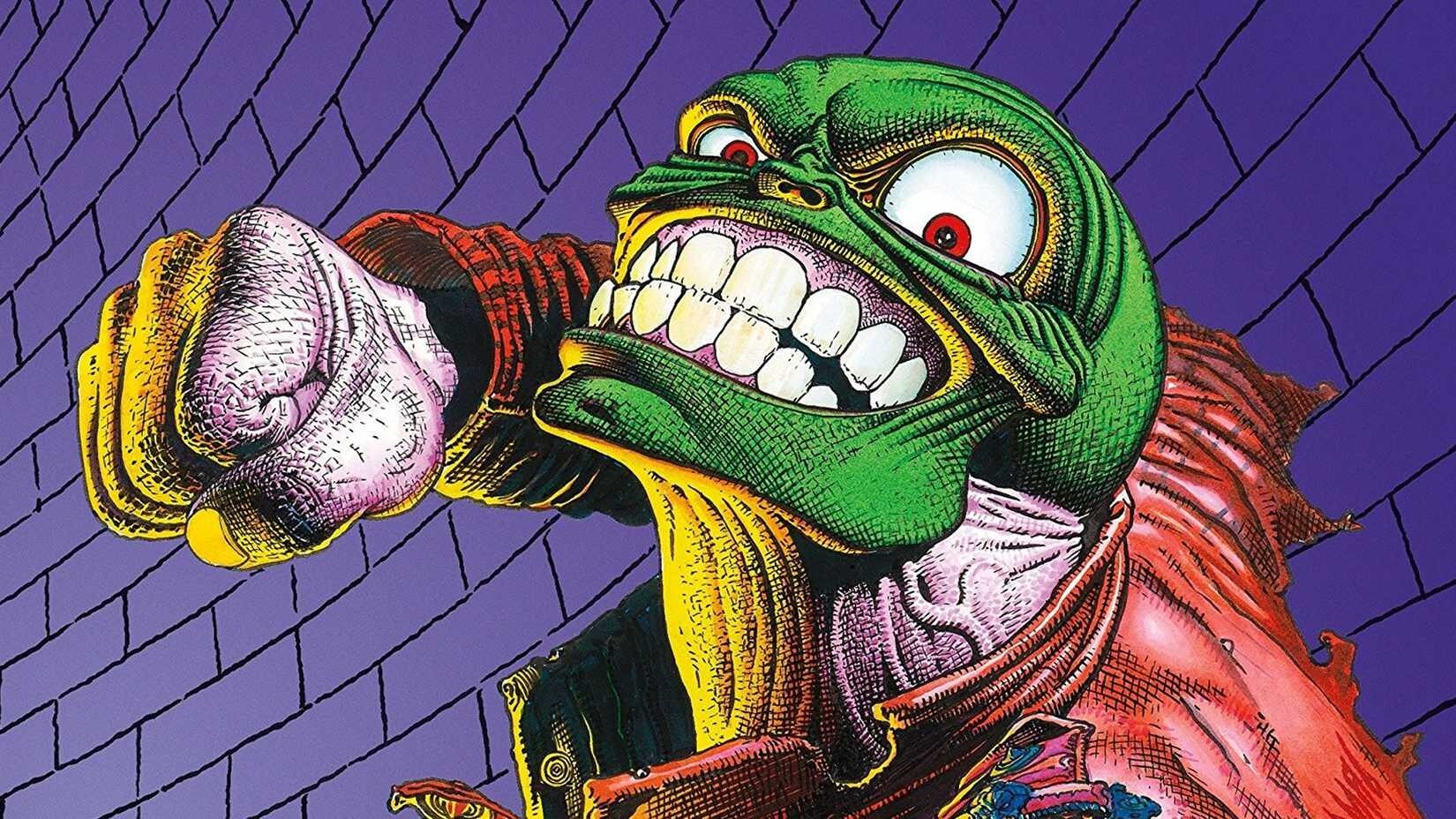
Dark Horse is a name that needs no introduction if you know the comics industry. They are the people behind such franchises as Hellboy, The Umbrella Academy, and even The Mask, and still today remain one of the most influential publishers in the comics industry. It’s hard to overestimate how influential they have been to the creator-focused comic world we live in today, being one of the early champions for giving fair compensation to the talent who helped bring their books to life.
Yet, it was the management behind the scenes that helped shape Dark Horse into the juggernaut we all know and love today. One of those people is the co-founder of the studio, Mike Richardson, who helped shape its vision and the focus they have held onto all these years. While at Lucca Comics & Games 2025, we had the pleasure of taking some time to sit down with Mike and talk about his role in comics, his love for what Dark Horse has built, and a bit about what new creatives should look out for when they’re looking to dive into the world of comics.
That’s all right. Since we’re at Luca, why don’t we start with Luca? You mentioned that you’ve been here several times. What keeps you coming back? What keeps you coming back to Luca? What makes you want to come?
Mike Richardson: Well, I come back to Italy a lot. It started when I—you, well, first of all, it started when I came to the Cannes Film Festival. We would bring movies there. We brought The Mask there in ’94 and ended up driving to Italy—to Portofino—afterwards, through Genoa.
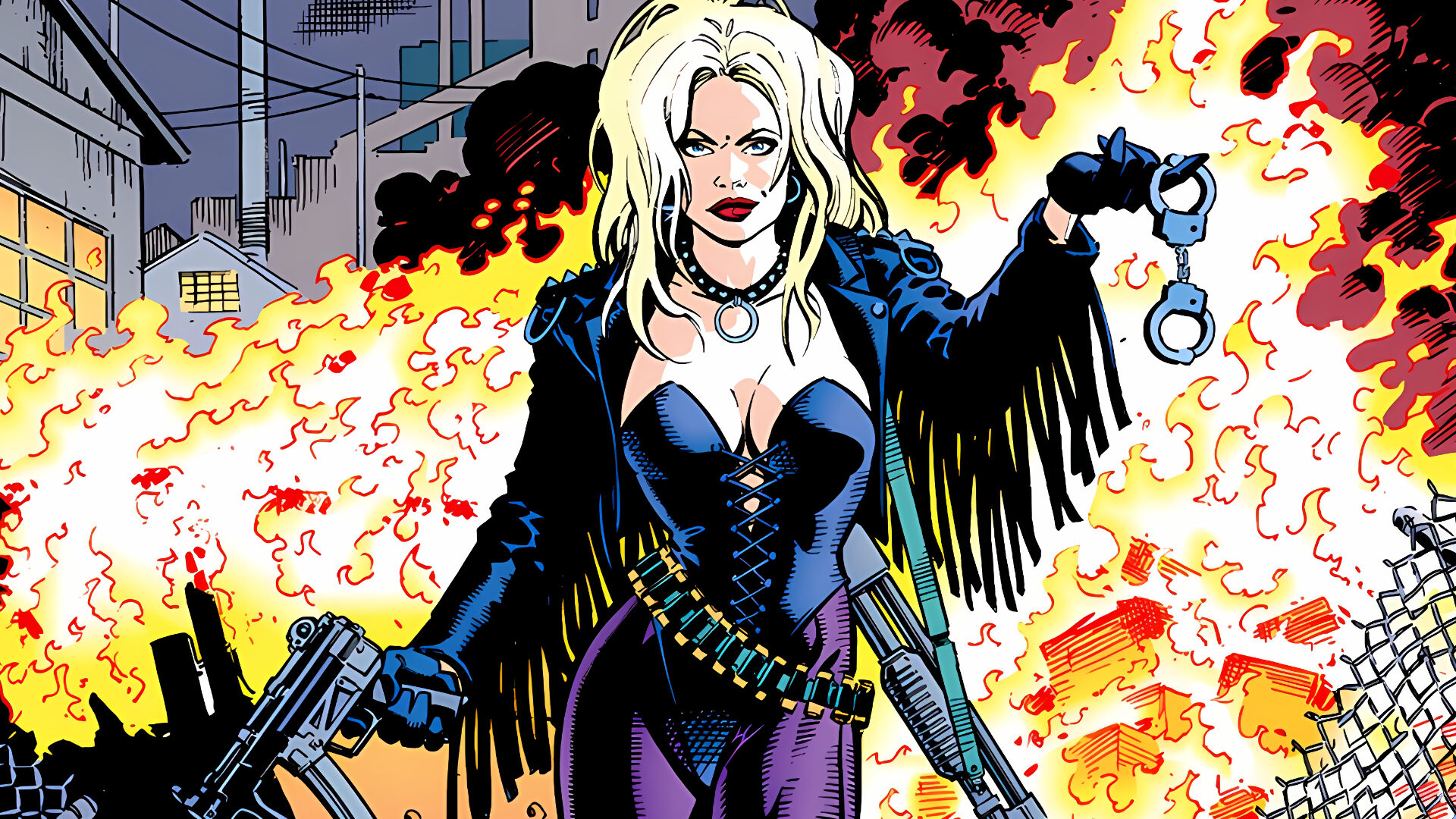
The following year was Barb Wire with Pam Anderson, and we came. And by the way, I’ll write a book someday about taking Pam to the Cannes Film Festival. She was the number one celebrity in the world at the time, and the mobs there were unbelievable. They told us at the time that the biggest crowd they had ever had at Cannes for any celebrity was for Madonna. They said Pam’s was about a third larger. So it was a crazy time, and lots of stuff happened that was a lot of fun. It was really fun.
So we go all around Italy, but we always try to stay here. I like the idea of the walled city. They told me the Romans came here, and the courtyard area was built in the year two or something like that, and so, wow, that was interesting. It’s close to a lot of things—it’s close to Pisa if you want to take your kids over to see the Leaning Tower. I got two tickets there last time, because, just so you know, if you ever go over there and you follow the guy down, it takes you down streets you’re not allowed to drive. We didn’t know it, but I got two tickets to find out.
But anyway, it’s just in a nice location. We like the city. It feels like Italy. You know, Milan—great city, wonderful city—but not that much fun to go to great restaurants and that type of thing. It’s like a lot of big cities. When you come to Lucca, it’s the walled city. There’s a restaurant that I’m trying to get into tonight on the wall. When I went to that restaurant, I didn’t know that. And I’ve been here a number of times. Underneath the city—I found this out one of the earlier times I was here—there’s a store that, if you ask them, “Can I go down to see the wine cellar?” there’s a wine cellar under the whole city that goes back hundreds of years.
Yeah, stuff like that—little discoveries. We just discovered that angel on top there. There are always little surprises. Those little things that show up all the time—it’s just a wonderful city to come and visit. Italy, in general, is a terrific place. I’ve never been to the east—well, I’ve been up to Venice and Slovenia—but I’ve never visited the east side. I don’t know what’s there, because we keep going to wine country on the west side. Now we’ve started going down to Sorrento and Positano and those places, but I still like the northwest.
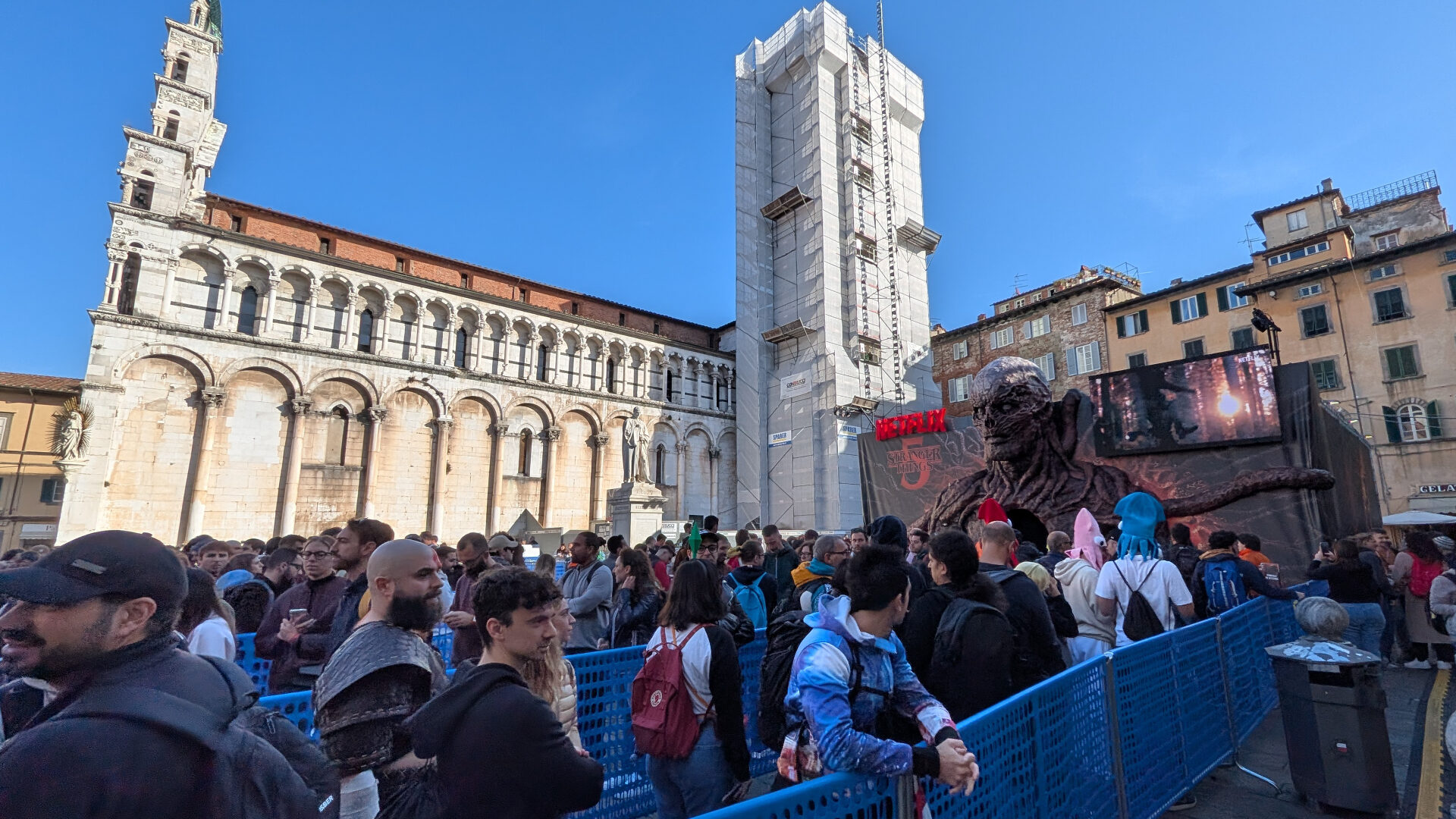
You mentioned that next year is the 40th anniversary for you, and you’re planning to celebrate it at Lucca. Is there anything you can tell us about that yet, or is it still very early?
Mike Richardson: I don’t know that it’s officially announced. They’ve asked me if I would be willing, and I said, “Yeah, that’d be great.” I get to come back again next year. If we do it, we’ll set up over in one of the tents, we’ll set our course, and we’ll have something fun to make everybody come to—absolutely something awesome.
Now I want to pick your brain a little bit. In 2025, what do you think about the current state of comics? Do you think they’ve grown in popularity, changed how they are experienced? Are they less popular?
Mike Richardson: Well, I think it’s just going through an evolution. I think that, you know, we had Black September about a year after we launched, and I don’t know—about 50 comic book companies went out of business. We had the crash of the market, the speculator crash of the ’90s. There have been cycles. It feels like every eight years something bad happens—and it’s around eight years.
But comics themselves have changed. You know, the pamphlet keeps getting more expensive, like the movies. They can talk about box offices, this or that, but they’re talking different dollars with different value. If you went just by actual value of money, Gone With the Wind is still, by far, the most-seen movie ever—at least in this country (USA). I believe in the world, too.
Comics have gone through an evolution just like the film business and, you know, the book business—everything has changed. Computers really started to change things. When we first started, we actually had a discussion about whether we wanted to waste $300 on a fax machine. Of course, we did—and then we thought it was great. And then computers came.
We’ve tried to be in front of that. I think we were the first one in the comic business to put up our own website. We went through a couple of iterations of what it looked like because we were trying to find our way. Originally, I was doing animation—we had our team doing animation on it—and you’d come into a Dark Horse city, and their characters were running around. The Mask was running around and saying, “Smokin’!”
And then you learn as you go, because we found out that if somebody comes into the site, they only stay there for a certain number of seconds—not minutes, seconds—and if they don’t get something right away, they leave. So we trashed all that, and then we changed it. We’ve been evolving ever since.
We were the first ones to bring colour in-house. I didn’t like the colour we were getting back in the early ’90s, and I finally got ahold of the head of the company that did our colour. He said, “What do you care? It’s only comics.” Dumb thing to say, right? Even if you think it. So we brought it in-house, and I think we were the first comics company to do that.
We had a digital site. We ended up closing it down only because we have 13 sites that sell our comics digitally, and it seemed like we could get away from the overhead and let them do what they do, as opposed to trying to license it out at the same time we were competing.
You’ve worked on some of the most popular franchises in the world. Do you have any that really stand out to you personally, or that you think really made a special mark on the industry and the world?
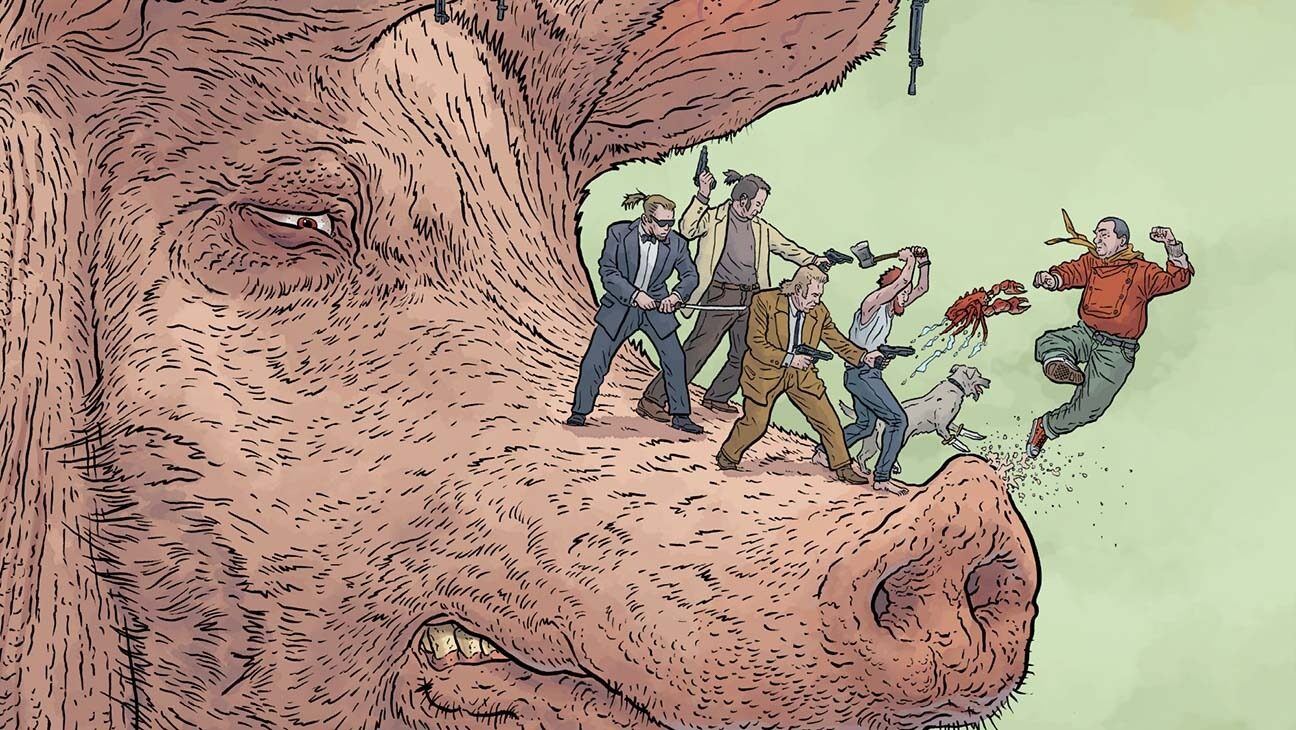
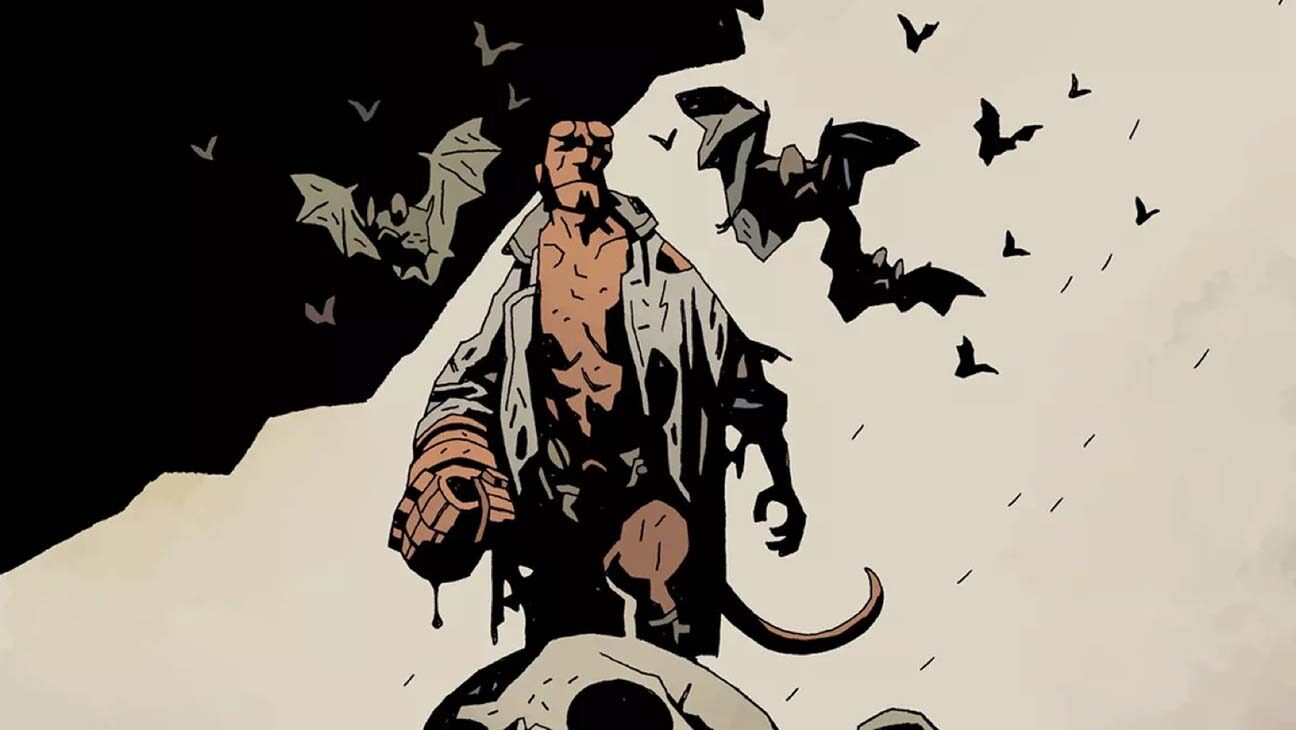
Mike Richardson: Well, certainly The Mask was big for us. I mean, there’s no one—I still get asked questions about it. Aliens vs. Predator, Frank Miller’s Sin City, Mike Mignola’s Hellboy—Hellboy has been our most consistent property ever. Mike owns it. He’s stuck with us all these years.
There are a lot of these. I mean, Geoff Darrow’s art—I love Big Guy and Rusty the Boy Robot. Now he’s doing Shaolin Cowboy. You know, there are artists, there are people—of course, Frank Miller—you heard me say that when he came, that broke down the door for major creators coming to Dark Horse, and just in general realizing they didn’t have to be at Marvel and DC. And I can tell you, you know, the Image guys noticed that. Todd and Jim noticed that they didn’t need to be there anymore—they went off and started Image. And I know because they talked to us; they talked to me about it back then—what would happen, you know?
And creator rights now are standard. People can still work for Marvel or DC, and they can go off and create something and bring it to us, or to Image, or one of the other companies. So there’s more creative freedom for the writers. Frank does his favorite character, Batman, but he’ll come and do something with us at the same time. Over the years, it’s given us the opportunity to go—as an independent. Now, before, I never knew what “independent” meant, except independent of Marvel or DC, because we have a building, people come to work, you know, we sell our comics in the same places they do.
But one thing that has changed, particularly for us, is that most—about 90%—of our business goes through bookstores, and we’re seeing fewer and fewer comic shops. The comic shops—the direct sales market, you’re familiar with that term—really saved comics. Phil Seuling’s idea of changing the way comics were purchased—the non-returnable model so retailers got a better discount and could track each title—really made a difference. We did that religiously, particularly back in those days. You could make more money that way.
It allowed publishers like me—we didn’t have to print 100,000 to sell 25 in spin racks. We could go through the comic shops, get an order, and ship exactly that. The thing that causes problems for publishers—one of the things—is inventory. You don’t want to sell out, and yet you don’t want a lot of books left. So you have to walk that tightrope, and the non-returnable model actually helped publishers deal with that at the time.
Now, when it comes to creative rights, what would you tell a new artist who’s wanting to get started? You obviously run things a little differently than other companies, so what should they know about their rights and creative rights?
Mike Richardson: They should—first of all—if they’re not experienced legally, they should always have a lawyer take a look at a contract. They should give them what they want to achieve. If they’re creating the property, they should have a lawyer take a look at it. They should give them what they want to achieve. If they’re creating the property, they should try to get as close as they can to their ideal situation. So, you know, one of the challenges we have is that we deal with every creator. We don’t have a standard contract like some companies do. We try to tailor it the best we can to that particular creator.
For our accounting department, it’s a nightmare, because we have thousands of writers, artists, letterers, colorists, inkers—and they have to go through all these. It takes a lot to do that. It would be much easier if we just had one contract, but then we couldn’t deal with each creator as though he owns his work and has his say.
Look, if you’re talented, you can stand your ground—you’re going to get work somewhere. That’s the great thing now. And there’s a whole slew of new publishers coming into comics. There’s a resurgence. I don’t know that this is the best time to do it—I wouldn’t want to start a company now. And I say that having already done it.
If I wanted to do it and I hadn’t done it, and I was young, I’d probably ignore that—but it’s a tough time for somebody to start a new company. Still, I think comics will be around. I don’t know about the floppies, because they’re, like I said, 20 pages. So you get a story that continues every 30 days. There’s got to be something really compelling to get somebody to follow along with that—especially when they’re now, you know, five bucks, $4.99.
Most comics have gone into that range. I mean, they used to be a dime. And even with the difference in value—when I was a kid, I could go down and buy 10 comics for a buck. I could go out, make a dollar, and get 10 comics. Now, 10 comics cost you what—$50?
Well, young people may use that $50 on a video game or something else. There’s a lot of competition for disposable income there. But in bookstores, where 90% of our business is, you’re dealing with an older, probably more affluent reader who has more disposable income. And if he sees a book he wants at $25, $30, $40, $50—he’s going to pick it up.
We have to let you go. But thank you so much. You’ve been really interesting.

It’s great to see a spotlight on Mike Richardson and the impact Dark Horse has had on the comics industry over the past 40 years. Their contributions have truly shaped the landscape of comics, and it’s fascinating to reflect on that journey. Thanks for sharing this insightful post!