

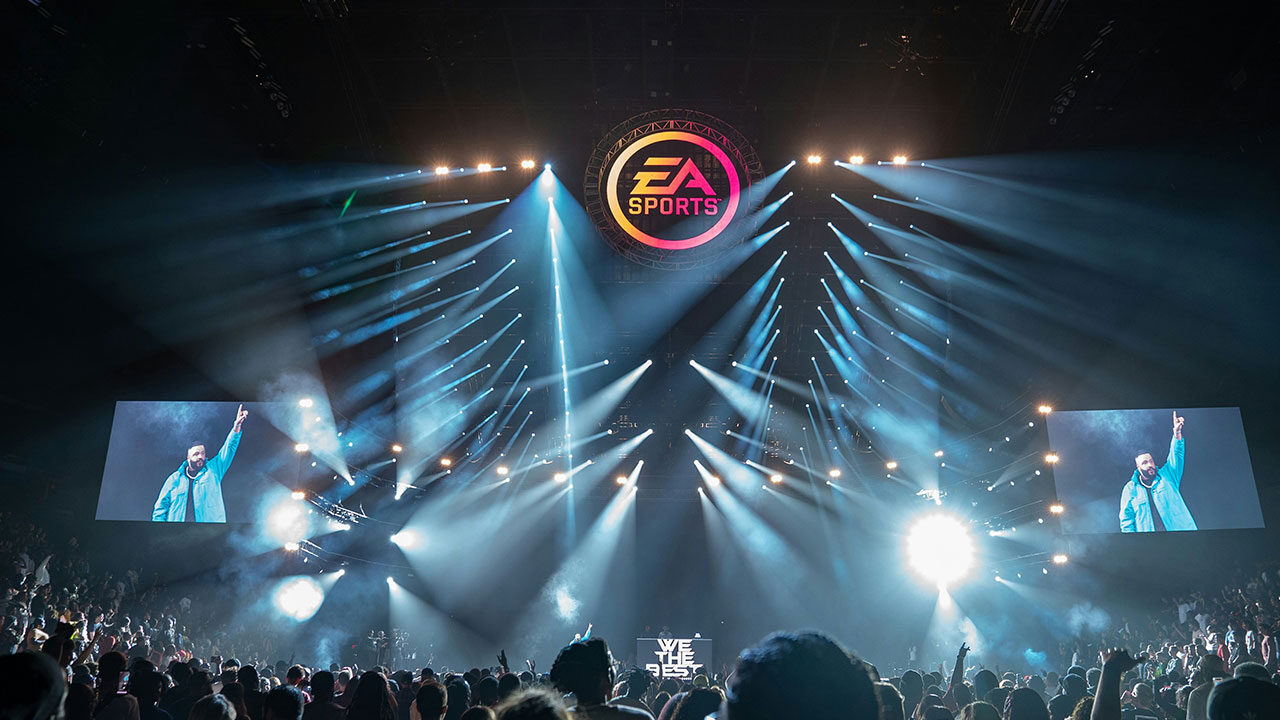
With its own stars, spectacle, festival-style programming and even brackets all working together, competitive gaming in 2026 is a full-scale entertainment product. As events add live music, creator-led content, fan zones and arena-style staging, you’re essentially now seeing esports vying for the same audiences as concerts and streaming premieres.
The shift is visible right across the calendar. Evo 2026 in Las Vegas is being framed as a three-day carnival: you’ll be able to take in 12 tournaments, publisher booths, an in-venue finals arena, a 300-plus cabinet arcade, artist spaces, cosplay activity and meet-and-greets. The Esports World Cup is meanwhile pushing a wider festival pitch around celebrity appearances, live music and fireworks. Then there’s Pokémon’s 2026 World Championships in San Francisco, being paired with PokémonXP, morphing (or should we say evolving) a competition weekend into a brand-wide fan event.
Why The Event Format Is Expanding
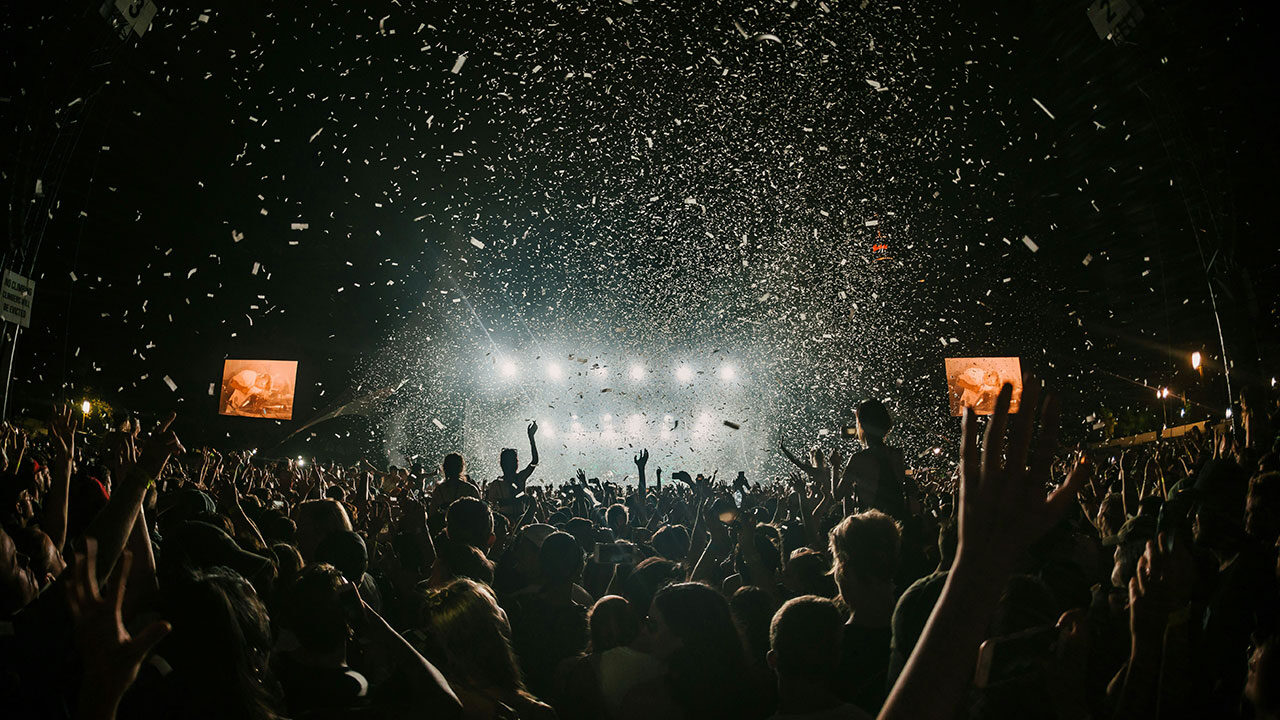
So what’s behind all this? The basic reason is simple: games now sit inside a broader entertainment lifestyle. A recent BCG gaming report found that 55% of surveyed gamers had increased their gaming time over the previous six months, while 40% said they were consuming more user-generated content than a year earlier. As online play allows ever more players to find their people and build an identity, publishers and tournament organizers increasingly have the budget, not to mention the groundwork, to justify bigger events.
You can see the effect in how broadcasts are built. A final still needs competitive integrity, clean observing, reliable sound and good commentary, but it also needs a show around it. Pre-match segments, walkouts, co-streams and creator interviews make the event easier to follow if you don’t know every roster change or patch note. For an organizer, that broader packaging helps turn one high-stakes match into a whole weekend of content.
Production Is Becoming Part Of The Product
The clearest recent example came from Red Bull Wololo: Londinium. Windows Central reported that the Age of Empires event filled London’s Royal Albert Hall with a live orchestra, elaborate set pieces, historical costumes and a $250,000 prize pool, while Age of Empires II reached a new peak of 115,944 viewers and Age of Empires IV hit 67,450. The useful lesson goes beyond orchestral backing. Production can make an older competitive title feel current.
That’s especially important for games with deep communities rather than huge mainstream numbers. A well-designed stage gives long-time fans a sense of occasion and gives newer viewers a reason to stay. It also creates short clips that travel well on social platforms, where a dramatic entrance or crowd reaction can introduce the game faster than a full best-of-five replay.
Where Betting Fits Into The Picture
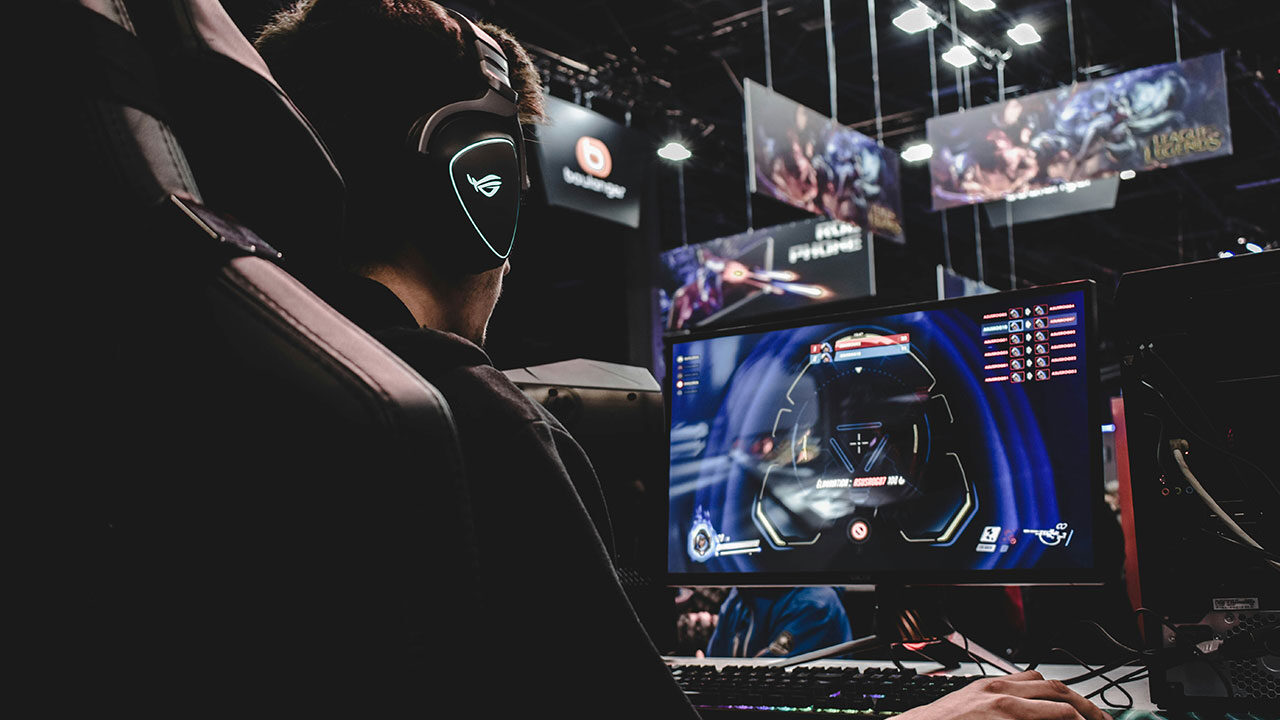
Bigger events also create more betting discussion around match winners, futures, maps and player props, where legally available. For adult readers in regulated markets, Sportsbook Review gives a current comparison of sportsbook promos, sign-up offers, ratings and terms, so the relevance here is practical rather than hype-led: when esports events start to resemble major sports weekends, you need the same habit of comparing rules, limits, expiry windows and eligible markets before treating any offer as useful.
Publishers Are Treating Esports As A Live Product
The production growth also changes how publishers manage games. Competitive scenes need stable schedules, fair patches, clear formats and visible routes from amateur play to professional events. A recent Rainbow Six Siege esports interview underlined that point, with Ubisoft staff discussing regional support, patch timing and pathways for players moving from local events into bigger competitions.
That live-product mindset is crucial because an esports event is tied to the game’s wider health. Balance changes, spectator tools, cosmetics, ranked modes and creator access all shape how watchable the game becomes. When those systems line up, the event feels like the peak of a living community rather than a marketing add-on.
Fighting Games Show The Wider Shift
Fighting games offer a neat snapshot of the change. The EVO 2026 lineup mixes established names such as Street Fighter 6 and Tekken 8 with newer or returning titles, including Rivals of Aether 2, 2XKO and Vampire Savior. That blend gives hardcore fans the competition they expect while giving publishers a high-visibility space to test interest in what comes next.
Evo’s Las Vegas plan also shows how events now serve several audiences at once. You can attend for finals, try upcoming games, browse the vendor hall or meet community figures. For a home viewer, the stream becomes easier to dip into because the event has more entry points than the bracket alone.
What You Should Watch Next
The biggest question for the rest of 2026 is whether production scale improves the viewer experience or simply adds noise around it. The strongest events seem likely to be the ones that can add narrative to an existing identity: where the spectacle helps you understand who’s playing, how they got there, why the match has gravitas and where the rivalry came from.
That balance will define the next era of competitive gaming. Bigger stages can bring in casual viewers, but the best productions still have to respect the players, casters, communities and competitive details that made the event worth watching in the first place.