
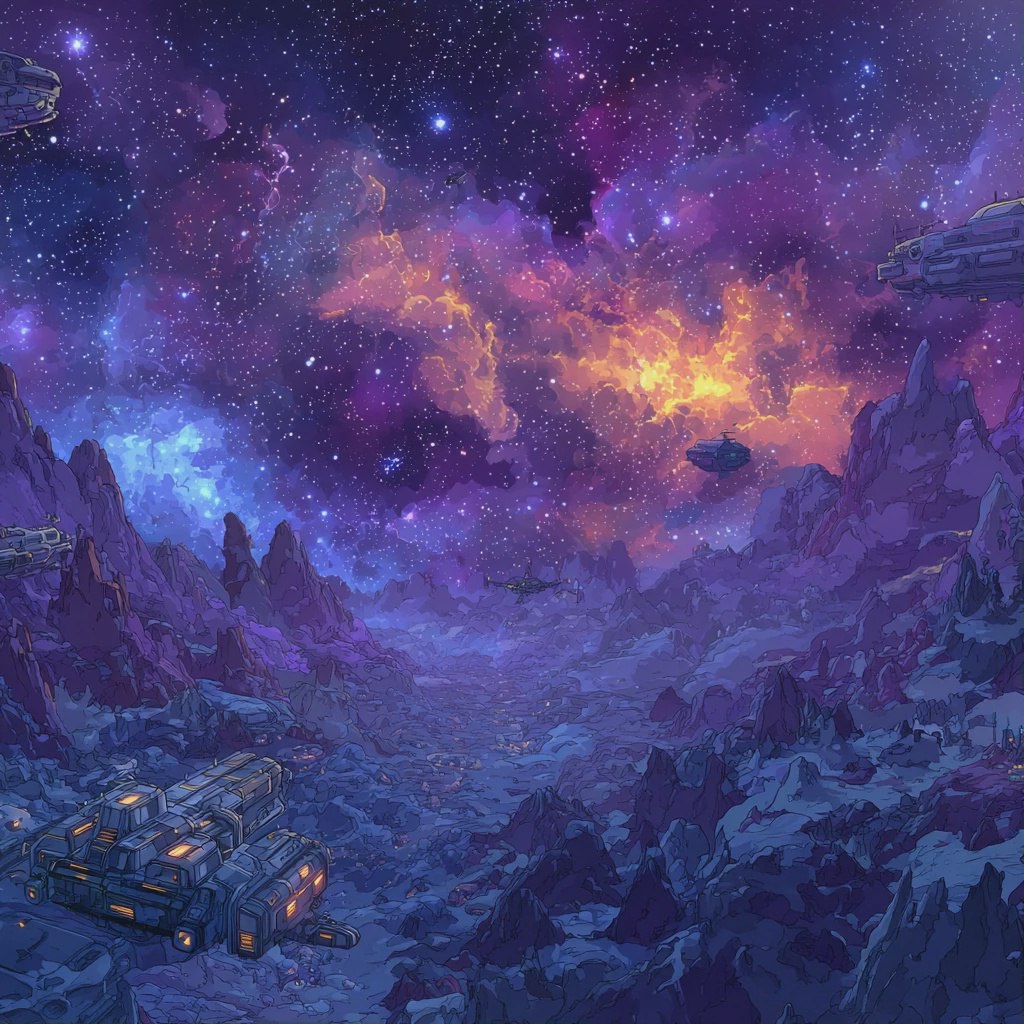

Ragnarok shattered the world, but don’t worry, you have the chance to shape what comes next. As openings go, Cloudheim certainly knows how to put a lot on your shoulders, but, as Noodle Cat bring their one-to-four-player physics-based action adventure into Early Access, you’ll find this is a burden that can be shared. Or kicked off a cliff, if you prefer.
You start by choosing your appearance, which you can change at any time. Mana is the poster girl for the game, and her Viking warrior vibes and coloured hair felt like a good starting point for joining the game in Early Access, but there’s a great mix of characters to choose from, including otters and birdmen. Some are locked at the outset, requiring you to level up particular classes in order to gain access to them, but there’s plenty to get you started.
You can change class at any time by equipping new weapons, with four distinct paths to follow, from Runeblade’s ranged spellcasting, through the two melee-centric classes of Sentinel and Breaker, to the fast, combo-driven Ranger. It’s always nice to be offered the opportunity to switch, especially when you never quite know whether you’re going to gel with that class in the long run and it’s a scheme that’s paid dividends in games like Final Fantasy XIV. Hopefully, players will latch onto it here, especially as you can equip weapons from two different classes, and level up two at the same time.
You’re a Runari, a race known for their hardiness and protection from damage, which is a good way to explain away why you’re capable of a physics-defying triple jump, or why you can fall from great heights without a scratch. Following Ragnarok, the world and the Gods within it were irreparably damaged. But some of the Runari survived, awakened once more by Odin Shell, a flying turtle whose shell serves as your home base. From here, you’ll set off on exhilarating, action-packed quests, beating up monsters and searching for loot before returning to build up your homestead.

Your first moments with the game are spent learning the controls and exploring the ruins of an ancient structure. Cloudheim’s visuals are the immediate selling point, with attractive anime-inspired designs that go a step beyond those found in Breath of the Wild or Tears of the Kingdom. In contrast, some of the UI elements look very out of place and basic, but then, this is Early Access, and you expect things not to be quite as polished across the board.
Cloudheim has one of the best kicks in gaming. Forget the previous holder of the title, Assassin’s Creed Odyssey, the moment that you realise you can boot enemies and objects around the world will be the moment that you instantly fall for Cloudheim’s charms. The physics-based combat feels hefty from the off, but launching a bad guy across a crevasse feels absolutely brilliant. The enemy designs are full of life too, and there’s a great deal of satisfaction to be had in kicking them directly into their best mate before smushing them with a giant hammer.

Combat is only one part of Cloudheim’s central schtick, though. Building up your homestead on the back of Odin Shell is a big part of the experience, with your upgrades and unlocks tied to the buildings and features you place down. Building is simple enough, though the large open space feels thoroughly underutilised to start with. It would be nice to have a more approachable, cosy space to start with, which you could then expand from – something like Rune Factory: Guardians of Azuma would be great – but you can immediately make the place feel like your own.
The building controls are a little finicky. I found myself unsure at times, able to select and move some things while others seemed to stay resolutely in place, or selecting things that I wasn’t intending to. If anything, it feels like something that can be solved by a small change to the buttons used, but the foundations are certainly here.

You can play with up to four players – there’s also an experimental eight-player option – and there’s already a great sense of community and camaraderie in place. Anything you make in your base can be used by other players, and you can also set up shop here, filling tables with goods and becoming a central part of the local economy. The balance between your downtime and heading out on quests feels good – at a bare minimum, you do need materials to build things – but I can see lots of players getting thoroughly sidelined by building and shopkeeping in the long run.
Cloudheim’s first steps into Early Access are very enjoyable, and there’s a lot more here than you might find in other games taking that step. As it stands, this is a great-looking action-adventure, with seriously enjoyable combat, and one which is already well worth getting on board with.

This post on Cloudheim sounds intriguing! It’s exciting to see how players can influence the game’s world after such a significant event. Looking forward to hearing more about the Early Access experience!
Absolutely, it’s fascinating how player choices can shape the narrative and environment in Cloudheim. It’ll be interesting to see how different strategies emerge as players explore and rebuild the world after Ragnarok.
I completely agree! It’s intriguing to think about how those choices not only affect the storyline but also impact the world-building elements. The dynamic environment really adds depth to the game and makes every player’s experience unique.
Absolutely! The choices you make in Cloudheim not only influence the storyline but also seem to impact the game’s world-building elements, which adds another layer of depth. It’ll be interesting to see how player decisions shape the community dynamics as well!
You’re right! The choices really do create a ripple effect throughout the game. It’s interesting how they also impact the world-building, allowing players to experience different environments based on their decisions. It adds a unique layer to the gameplay!
the game encourages players to think about the long-term consequences of their decisions. I found it fascinating how certain choices can unlock new areas or storylines, adding even more depth to the gameplay. It really makes you think strategically!