


In the wake of EA’s buyout, analysts expect the likes of DICE and Criterion to be sold off rather than shut down.
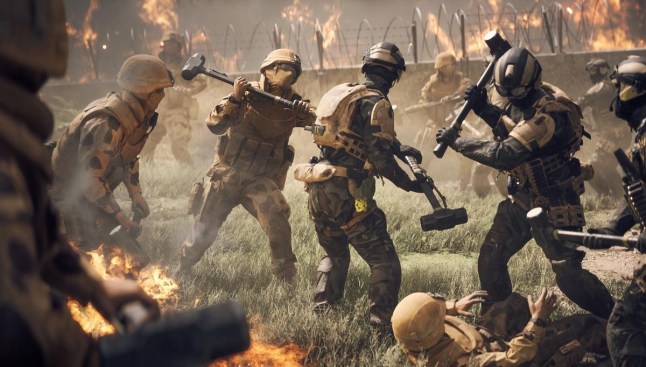
Expectations within EA have always been extremely high for Battlefield 6, even when there didn’t seem any obvious reason for optimism. The publisher has multiple studios working on it, besides series creator DICE, and EA reportedly expects the military shooter to reach Fortnite levels of popularity.
However, all this was before EA announced it would sell itself to a group of private investors and thus be saddled with $20 billion in debt. That means the pressure to succeed can only have gone up, which in turn makes the consequences for failure even more serious.
The pre-release period and open beta generated a lot of positive sentiment for the game, and we found the final result to be a crowd-pleasing experience, but industry analysts still believe the future of DICE and the game’s other developers are hanging by a thread.
Speaking with Polygon, analyst firm Freedom Capital Markets describes Battlefield 6 as an experiment; one it suspects EA is running to see if it can capture audiences it has either neglected or failed to appeal to for years -and not rely so heavily on its sports game franchises and their expensive licences.
David Cole, the president of consulting firm DFC Intelligence, believes if Battlefield 6 doesn’t meet whatever metrics EA has for it, then DICE will be sold off, which could mean an end to the Battlefield series entirely.
It all depends on ‘how the company feels about competing with Call Of Duty going forward and whether BF6 gains some momentum in that direction,’ explains Cole.
Expert, exclusive gaming analysis
Sign up to the GameCentral newsletter for a unique take on the week in gaming, alongside the latest reviews and more. Delivered to your inbox every Saturday morning.
Call Of Duty seems too big a name to be beaten by Battlefield 6 in one fell swoop, but while Black Ops 7 (which launches a month after Battlefield 6) will probably sell more, Battlefield 6 is likely to make a lot of ground on it.
There have already been discussions that Battlefield 6 could finally prompt Activision to seriously re-evaluate Call Of Duty, after years of essentially zero competition. The fact that Black Ops 6 is getting a free trial period ahead of Battlefield 6’s launch does suggest Activision is already more than a little nervous.
However, critical acclaim and happy players may not be enough for EA. If it doesn’t feel Battlefield 6 is pulling in the cash to help offset the debt, it’s more likely to deem the franchise a lost cause.
It’d be quite a shock to see DICE ejected from EA. After all, the studio’s been a part of the company since it was bought out in 2006. Plus, it was responsible for the Star Wars Battlefront games and Mirror’s Edge, so the already slim chances of those getting new sequels become practically zero.
DICE wouldn’t be the only one affected either. Criterion Games, which is best known for the Need For Speed series, would meet the same fate. Motive Studio may be safe considering it’s still working on an Iron Man game, but that’s not a guarantee as evidenced by what became of EA’s Black Panther title.
Being sold off does sound like a better alternative to studio closures, and Cole adds that smaller studios, like Criterion and Motive, could even be bundled with a larger studio sale.
However, that doesn’t rule out layoffs and Rhys Elliot, head of market analytics at Alinea, is fully expecting EA to let go employees outside of the EA Sports department. He also thinks some employees could just quit in protest at EA’s new ownership.
As a reminder, this includes Saudi Arabia’s Public Investment Fund, which is owned by the country’s Prince Mohammed bin Salman, and investment firm Affinity Partners, which was founded by US president Donald Trump’s son-in-law Jared Kushner.
Considering the many allegations of human rights violations directed at the Saudi Arabian government, and how both organisations are intrinsically connected with governments that enforce anti-LGBTQ policies, it’s reasonable to assume at least some EA employees no longer feel comfortable working for the company.
This has led to concerns that a series like Mass Effect, which features a lot of LGBTQ characters and same-sex romances, will have such elements stripped out. Although that’s assuming the next Mass Effect even gets made, as some staff at developer BioWare are reportedly bracing themselves for further job cuts.
All the analysts believe BioWare won’t survive past the finalisation of the buyout, which is expected to happen in early 2026.
The most optimistic prediction is that BioWare and its franchises will be sold elsewhere, though it’s hard to imagine any other major publisher snapping the studio up when its last game, Dragon Age: The Veilguard, made headlines because it underperformed.
Apart from anything there are very few big publishers left that would be in a position to buy them, unless Microsoft feels they’ve got room for even more.

Email gamecentral@metro.co.uk, leave a comment below, follow us on Twitter.
To submit Inbox letters and Reader’s Features more easily, without the need to send an email, just use our Submit Stuff page here.
For more stories like this, check our Gaming page.


It’s interesting to see how much pressure there is on game developers to perform financially. The gaming industry can be quite unpredictable, and it’s always a challenge to balance creativity with commercial success. Let’s hope Battlefield 6 finds its audience and delivers a great experience!
You’re right; the financial pressure can heavily impact creativity and innovation in game development. It’s a tough balance for studios like DICE and Criterion, as they need to deliver quality while also meeting these high expectations to stay afloat. The industry’s focus on profitability can sometimes overshadow the artistic aspects of game design.
Absolutely, it’s a tough balance for developers. When financial success becomes a priority, it can sometimes lead to safer choices rather than bold, innovative gameplay. It’ll be interesting to see how DICE and Criterion navigate this pressure while trying to deliver a standout experience.