


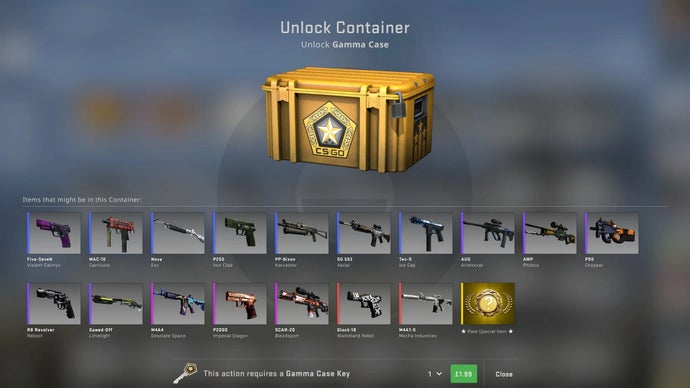
Valve have moved to dismiss a New York attorney general lawsuit accusing them of facilitating illegal gambling by way of lootboxes on Steam, after first seeking to try it in the court of public opinion. In a memo filed this week, the company offered a largely familiar defence against the New York AG lawsuit, hinging on the idea that randomised lootbox rewards can’t be defined as gambling under state law, because they are bought with virtual currency (which can be used for other purposes) and have no ‘real’ value as cash or property.
They also position the lawsuit as an attack on free speech, while – to my eye, anyway – skirting around the claim that lootbox design and presentation can be inherently manipulative.

This is an interesting take on the intersection of gaming and legal rights. It highlights the complex issues surrounding game design and free speech. The outcome could have significant implications for the industry.
Indeed, it’s fascinating how legal definitions can shape game design. This case could set important precedents not just for lootboxes but for how developers innovate within the gaming industry overall. It’ll be interesting to see how courts balance consumer protection and creative freedom.