


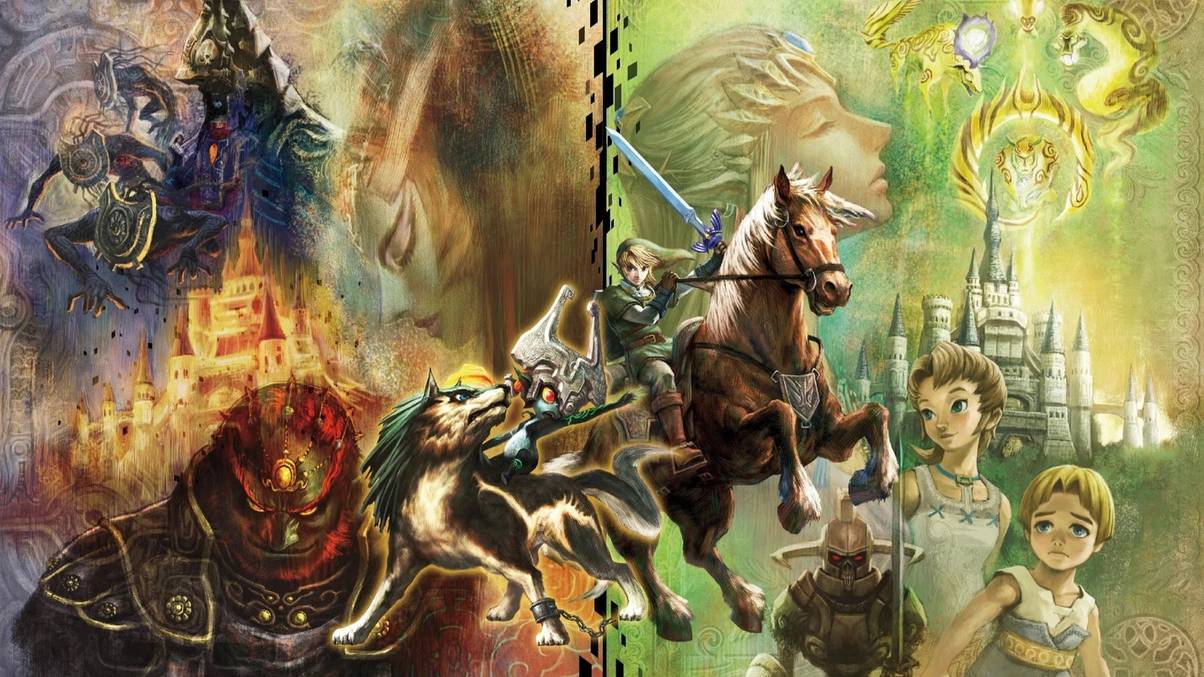
Progress on a fully native PC version of The Legend of Zelda: Twilight Princess just reached a huge milestone, which hopefully means that we might be able to play the game in something beyond 30 frames per second.
Video game decompilation is a topic that is relatively difficult to explain in basic terms (and in general), but essentially it’s sort of like transcribing one language into another. Except that the language in this context is hieroglyphics, and you’re trying to get said hieroglyphics to run on a computer.
Basically, you’re taking the original code for a game and transforming it into something akin to source code, and source code is a lot more malleable and easier to break apart. This allows very smart people to do stuff like alter assets, create custom maps, identify undiscovered bugs, and, most importantly, port the game to other systems.
As detailed in an article by Twisted Voxel, a team of aforementioned smart people has managed to successfully 100% decompile the original GameCube release of Nintendo’s 2006 title The Legend of Zelda: Twilight Princess, which should hopefully mean that a native PC port of the game should be on its way in the near future.
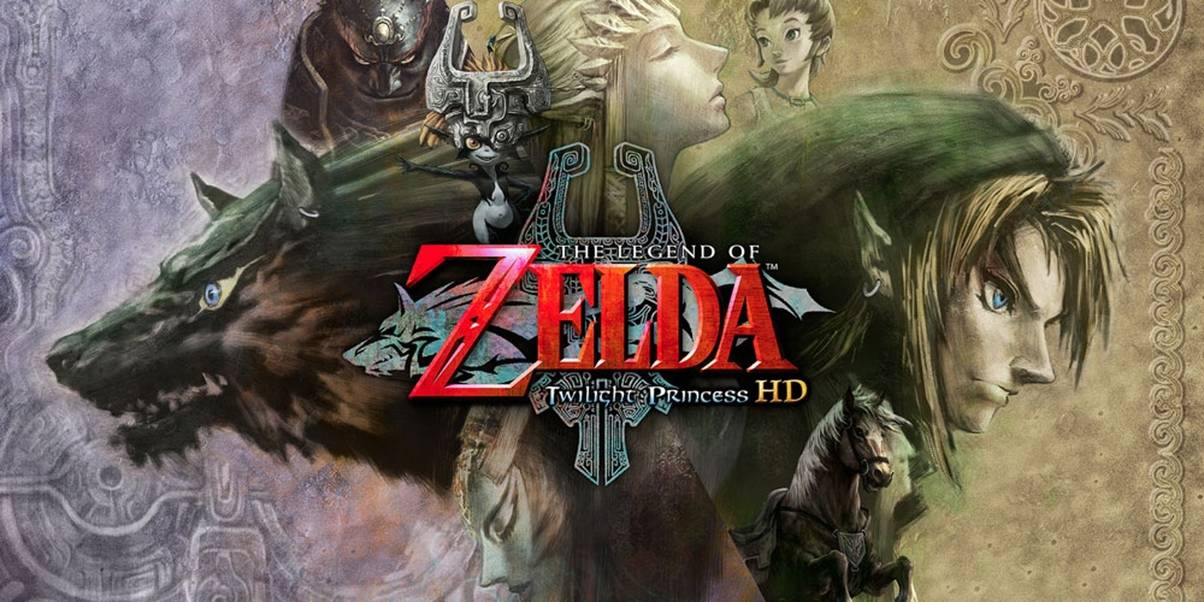
For those of you confused as to why a native PC port is a big deal, considering it’s been possible to emulate the GameCube version of The Legend of Zelda: Twilight Princess for quite some time now, a ported version of the game should perform a hell of a lot better than an emulated version of the game ever will.
The hope is that this should potentially mean that the game can be played in a higher framerate, as the original version of the game is capped at 30 frames per second.
It’s not quite that straightforward, however.
The physics engine in The Legend of Zelda: Twilight Princess is tied directly to its frame rate, so you can’t merely increase the frame rate and call it a day.
Doing so would, in most cases, simply make the game run at double the speed.
In short, there’s a lot of work left to be done, but decompiling a game is the step that takes the longest.
There’s no way to tell how long a native PC port of the game will take to produce, especially if Nintendo’s lawyers get wind of one being in active development, but it is something to potentially look forward to in 2026.