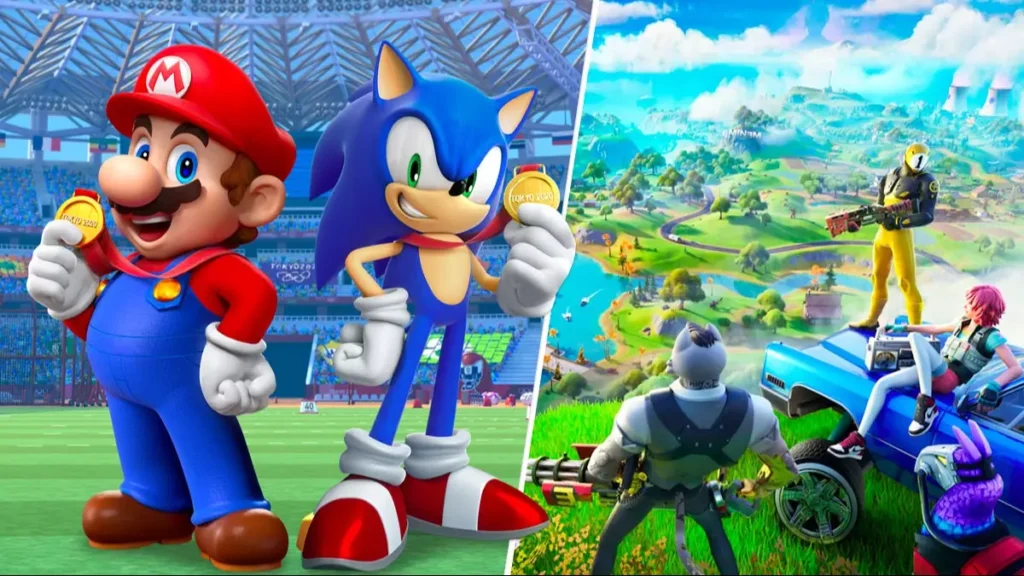

Experts explain why playing the likes of Super Mario and Sonic the Hedgehog is better for your brain than the likes of Fortnite.
Born in the 80s, gaming in that decade, as well as the 90s to the 2000s were certainly very different times then what we have today. Perhaps two aspects that generation has over modern offerings are the unlockable content and difficulty.
Sure, we have the likes of FromSoftware to offer steep challenges, but back in the 80s and 90s, especially, it felt like almost every game was a steep challenge to overcome.
Back then, there was no such thing as DLC, well, at least the variety that you’d download from the internet like today. Whether it was extra characters, skins, modes and sometimes, bonus chapters, all had to be unlocked via game progression. Sure, it would take an age to unlock everything, but when you acquired that elusive skin, it was earned.
You Grind to Unlock, Pepperidge Farm Remembers
Nowadays, everything about gaming is instant, and that’s great for the most part. We can download games, additional content and chat with friends anywhere in the world with ease. On the flip side, a lot of additional content can be purchased instantly to avoid the grind, and that’s fine, for the most part.
Sometimes we don’t have time to grind for that elusive skin, especially if you have a married life with work, children and a mortgage. Big publishers know this, and this is a key motivation for monetisation with instantaneous rewards at a financial cost.
Gamers are also nagged by notifications to jump back into the game and trigger the fear of missing out to get those daily login bonuses. “Free” reward DLC often entices a player to spend real money on microtransactions.
Experts Say ’90s Games Were Better for Your Brain
If you want to see more from GAMINGbible, make us a preferred source on Google.
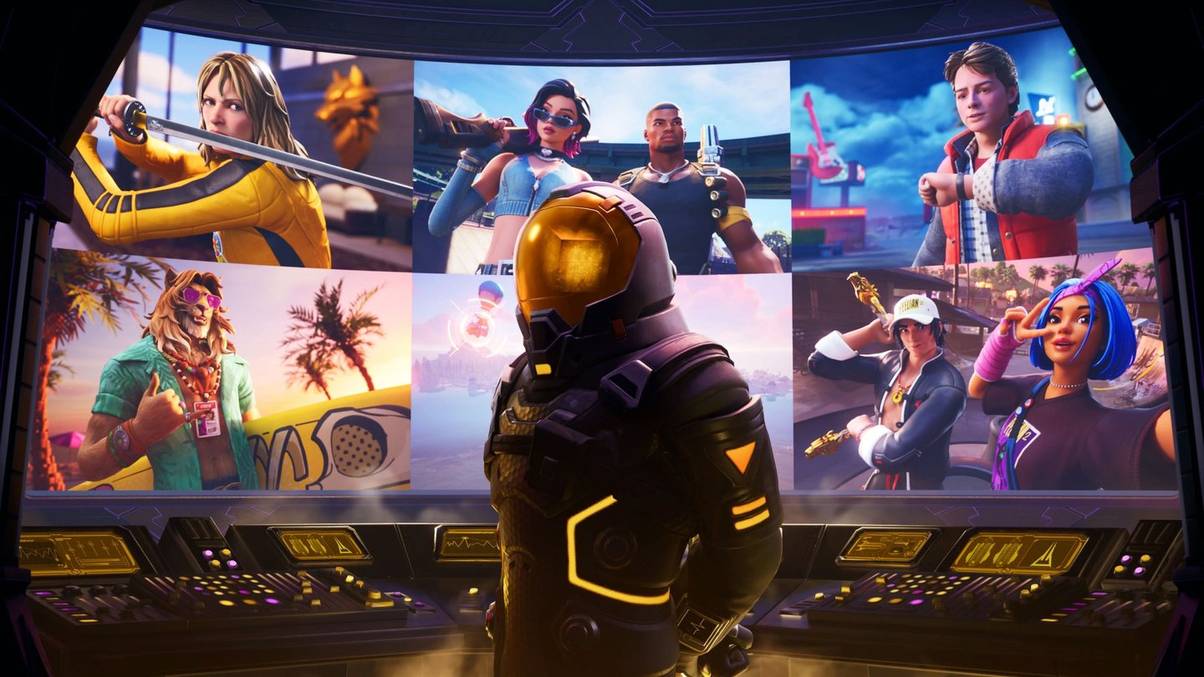
As reported by Newsweek, according to two mental health professionals, in a nutshell, video games in the 90s were better for children’s brains than the video games of today.
“You fought through levels, memorised patterns and finally saw the ending,” Veronica Lichtenstein, a licensed mental health counsellor, told Newsweek. “It felt like you accomplished something. Your brain gave you this solid, lasting dose of satisfaction, like finishing a tough project.”
Lichtenstein added that many free-to-play video games create “a perfect loop of addiction and are designed to make you return to the game. “There’s no real end” and provides a “junk food dopamine” effect.
In the 80s, 90s and in some part the 2000s, not everyone had access to the internet, and if we were stuck on a game, good-old determination was a requirement to see it through.
Or you could chance it that one of your favourite monthly magazines just so happened to have the guide you needed.
“Today, if people get stuck on a game, all it takes is a quick Google search, and they’ll have the answer on how to beat that part,” Lichtenstein said.
Melissa Gallagher, a licensed clinical social worker, offered her perspective regarding the differences between gaming in the 90s and today. In particular, the impact of online gaming and social media.
“Everything is a game or task, and the need for ranking gives them an inferiority complex,” Gallagher told Newsweek. “This generates pressure, erratic sleep patterns and makes too much noise on their minds.”
To conclude, Veronica Lichtenstein offered this summarisation: “Nineties games are a challenge for building your skills. Today’s games are often a test for your psychological resistance. A great deal are built to track, exploit and addict.”