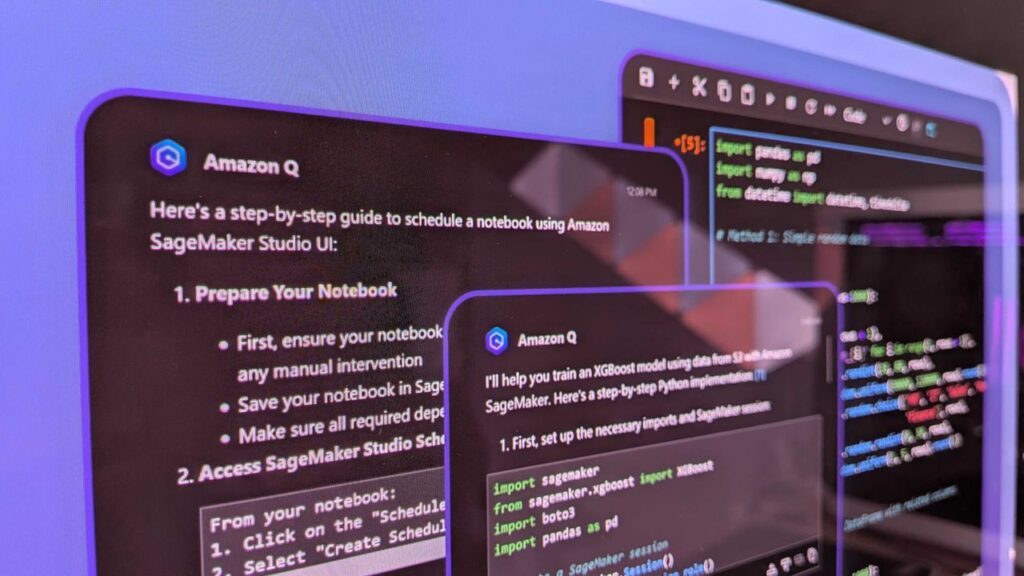

A newly-published paper entitled “Vibe coding kills open source” makes the claim that everyone’s favourite new hobby—that is, using AI tools to code their own products—is actively damaging the developers of open source software.
“Vibe coding raises productivity by lowering the cost of using and building on existing code, but it also weakens the user engagement through which many maintainers earn returns,” says the paper, which was authored by several experts from various universities and institutes on the topic.
“When OSS is monetized only through direct user engagement, greater adoption of vibe coding lowers entry and sharing, reduces the availability and quality of OSS, and reduces welfare despite higher productivity,” the paper continues.
Speaking to The Register, one of the co-authors of the paper, university professor Miklós Koren, said:
“We know that developers have adopted vibe coding very fast. [Anthropic CEO] Dario Amodei has famously said that ‘70, 80, 90 percent of the code written in Anthropic is written by Claude.’ So users of vibe coding find it easy to switch to this mode of building software. This implies that human attention towards producers of OSS is shrinking.”

Koren goes on to claim that the shift in attention towards vibe coding has hidden costs for OSS developers, leading to potentially lower community recognition, reputation, and job prospects.
“High-quality projects can still thrive,” said Koren. “We don’t think that large OSS projects will disappear overnight. But it will be harder to get beyond the ‘cold start problem’ and get an otherwise promising project off the ground.
“Or maintainers of marginally successful projects may lose their motivation and stop contributing. The proverbial ‘random person in Nebraska’ may give up.”
In terms of real world effects, OSS developer Tailwind Labs recently blamed the “brutal impact” of AI for the laying-off of three employees, with its CEO stating: “Traffic to our docs is down about 40 percent from early 2023, despite Tailwind being more popular than ever.
“The docs are the only way people find out about our commercial products, and without customers we can’t afford to maintain the framework.”
Certainly, the arrival of AI tools has long been criticised for a wealth of potentially negative effects on existing jobs and businesses. And while AI advocates, such as Nvidia CEO Jensen Huang, are happy to declare that “everybody’s a programmer now” in reference to tools that can enable vibe coding, it’s perhaps no surprise that the consequences of this shift may already be underway.