



The Xiaomi 17 Ultra marks a confident move away from purely digital interfaces and back toward the hands-on feel of traditional photography.
In a move that had been rumoured for some time, Xiaomi unveiled the Xiaomi 17 Ultra in China on Dec. 25, showcasing a device that blends modern power with the tactile satisfaction of a traditional camera. While the standard model pushes the limits of current hardware, the spotlight falls firmly on the Leica Edition and its unique mechanical controls, which give the device a striking, camera-like appearance.
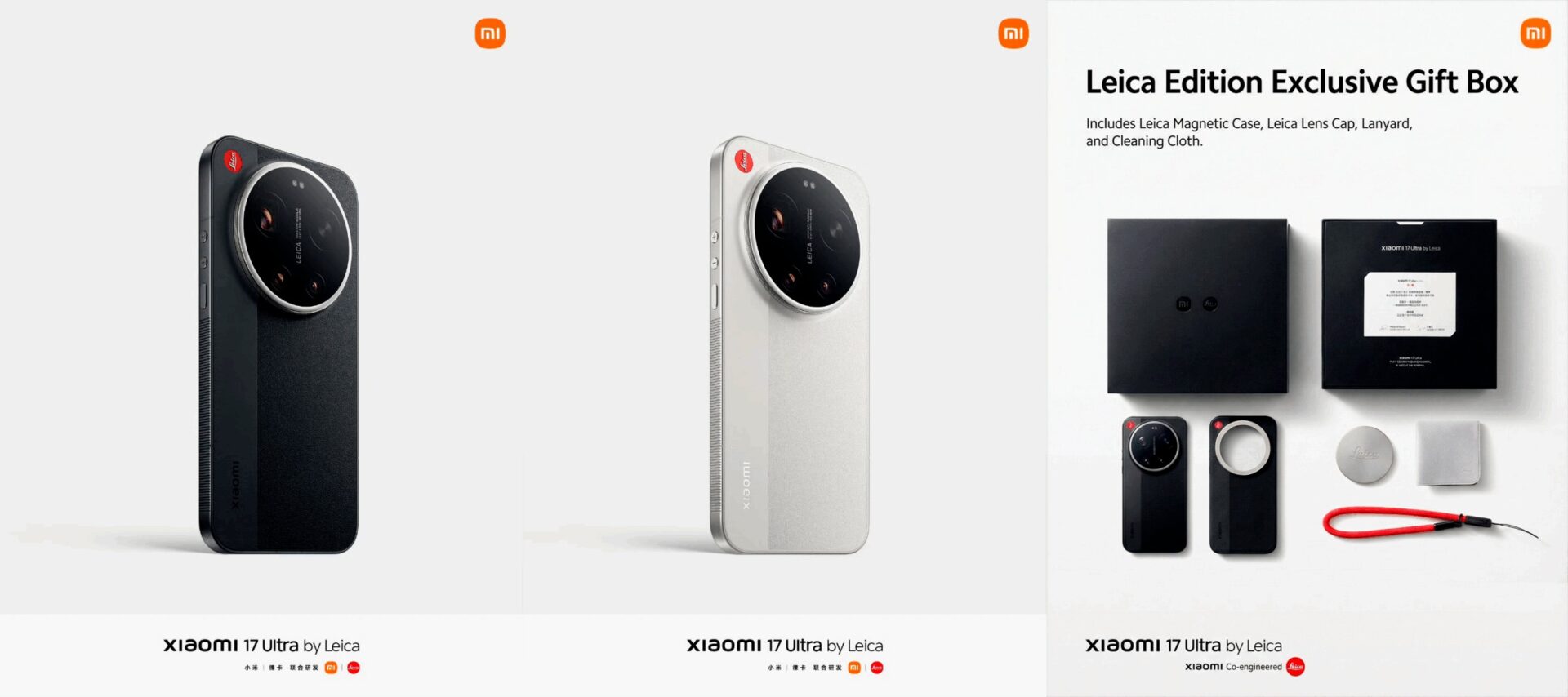
The standout feature the Leica Edition offers over the standard Xiaomi 17 Ultra is a physical zoom ring built directly into the camera island. Designed to mimic the manual focus rings of Leica’s M-series cameras, the mechanism is not merely aesthetic. It operates with 20 precision ball bearings to detect movements as small as 0.03 millimetres, allowing users to manually adjust focal length, exposure or white balance with a level of granularity that touchscreens struggle to match.
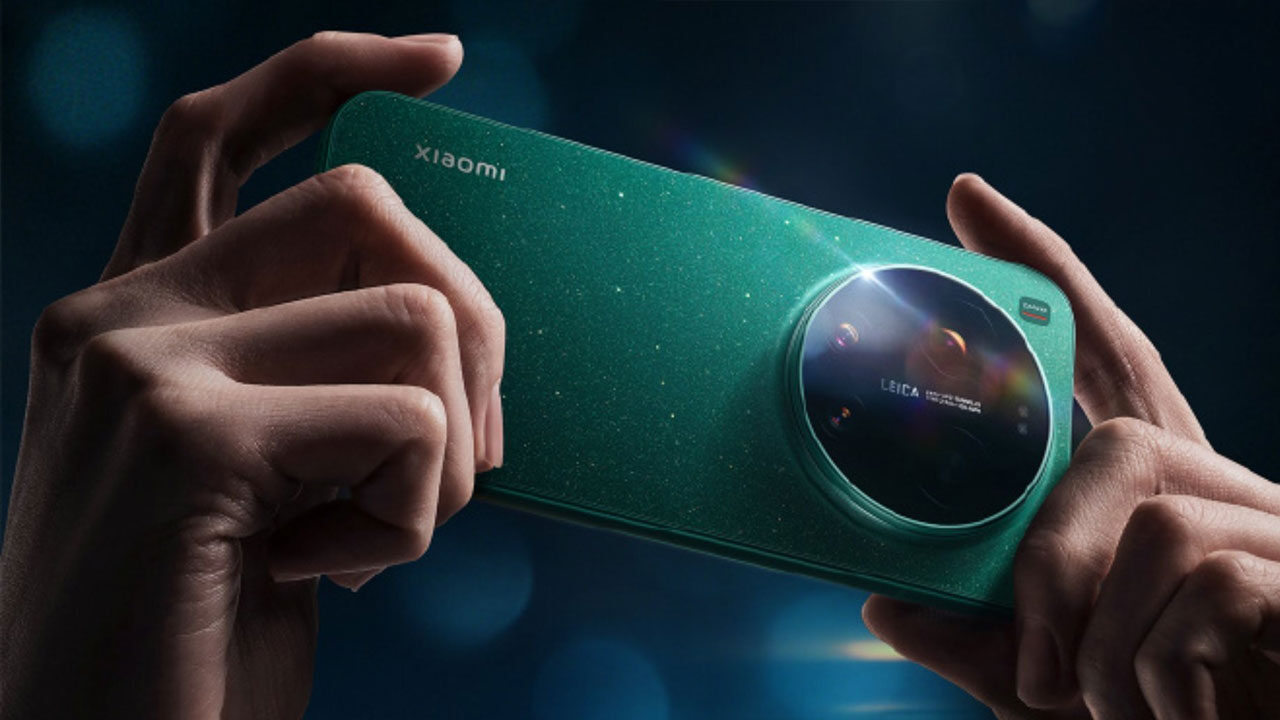
Beyond the new mechanical ring sits an impressive camera array that is likely to excite photography enthusiasts. The main shooter uses a 50-megapixel, one-inch Light Fusion 1050L sensor, but the telephoto lens is the real heavyweight. It features a 200-megapixel sensor and a periscope lens that delivers continuous optical zoom from 75 mm to 100 mm. Xiaomi says the system can handle everything from sweeping landscapes to detailed portraits without losing clarity.
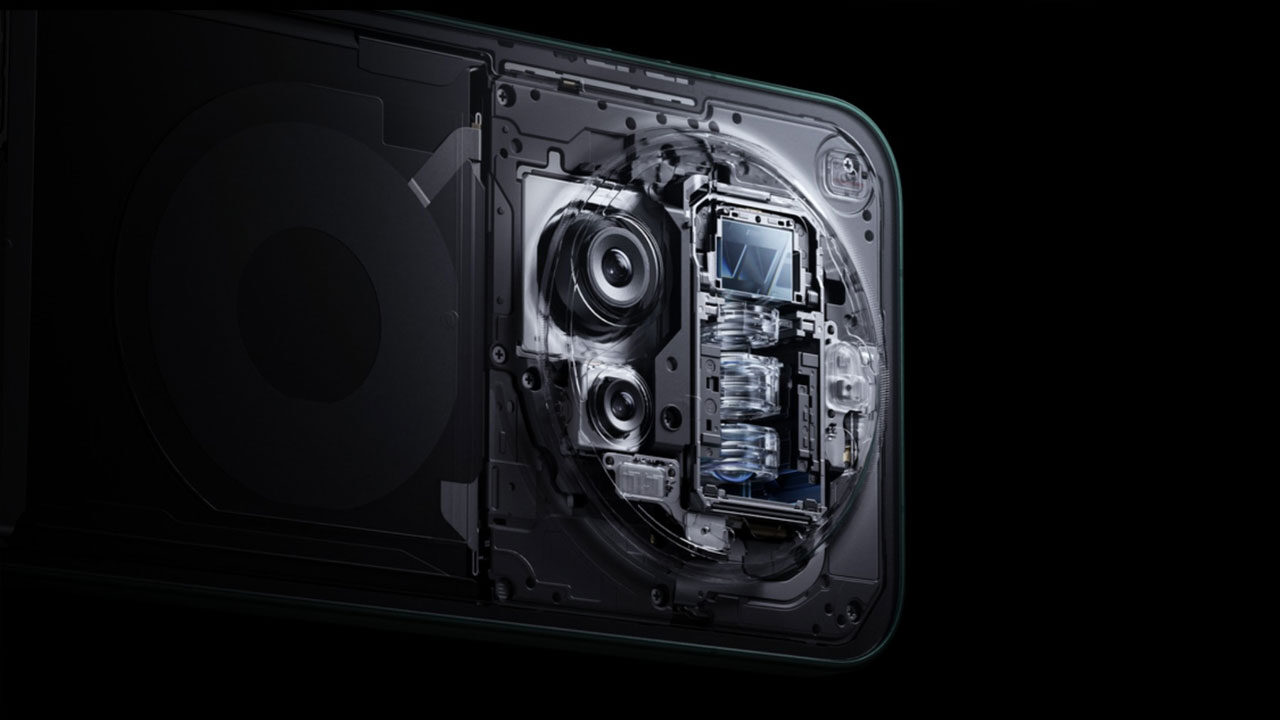
Under the hood, the Xiaomi 17 Ultra runs on Qualcomm’s latest Snapdragon 8 Gen 5 chipset, a processor designed to handle the demanding requirements of the device’s advanced AI tools and image processing. To keep the device powered, engineers fitted a 6,800 mAh silicon-carbon battery inside the chassis.
The high-density cell enables flagship-level endurance while helping maintain a relatively thin frame. It also features a flat 6.8-inch 2K LTPO display, moving away from the curved displays found in many previous Xiaomi Ultra phones. Despite housing those components and the large battery, the phone is surprisingly slender. At 8.29 millimetres thick, it is the thinnest Ultra model the company has produced to date.
The launch event marked a shift in leadership visibility, with Xiaomi president Lu Weibing taking the stage instead of chief executive Lei Jun. Lu addressed the higher price tag, which starts at 6,999 yuan (about $1,350 Canadian), by pointing to industry-wide trends. He said the era of cheap components is ending, noting that “2025, 2026, and 2027 will all be periods of rising memory costs” due to the explosive growth of AI. Sales for both the standard and Leica Edition models begin in China on Dec. 27.