
Thanks to its onboard power, the Switch 2 is now capable of running resource-intensive AAA games. Of course, compromises are necessary to achieve the smoothest possible experience.
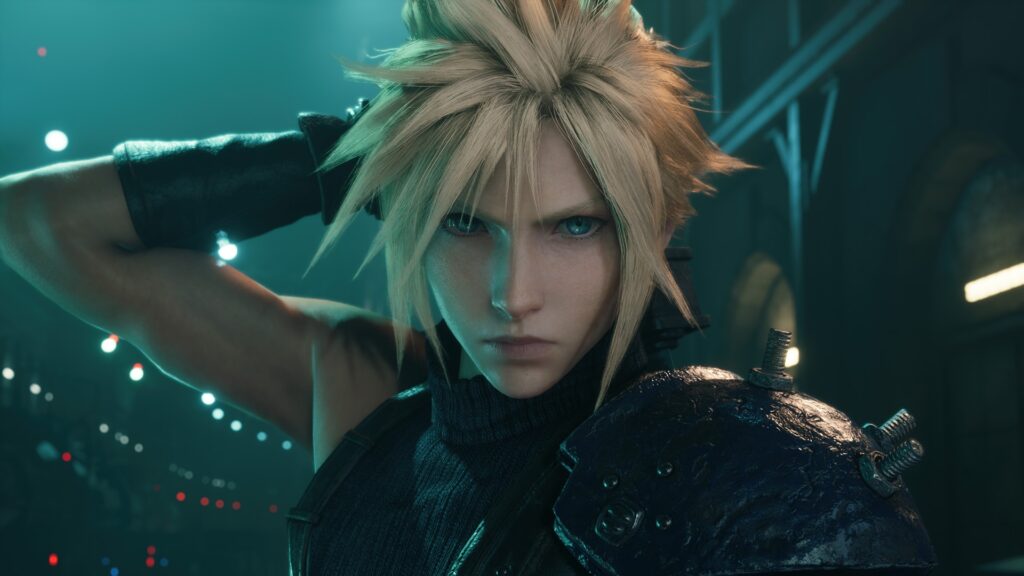
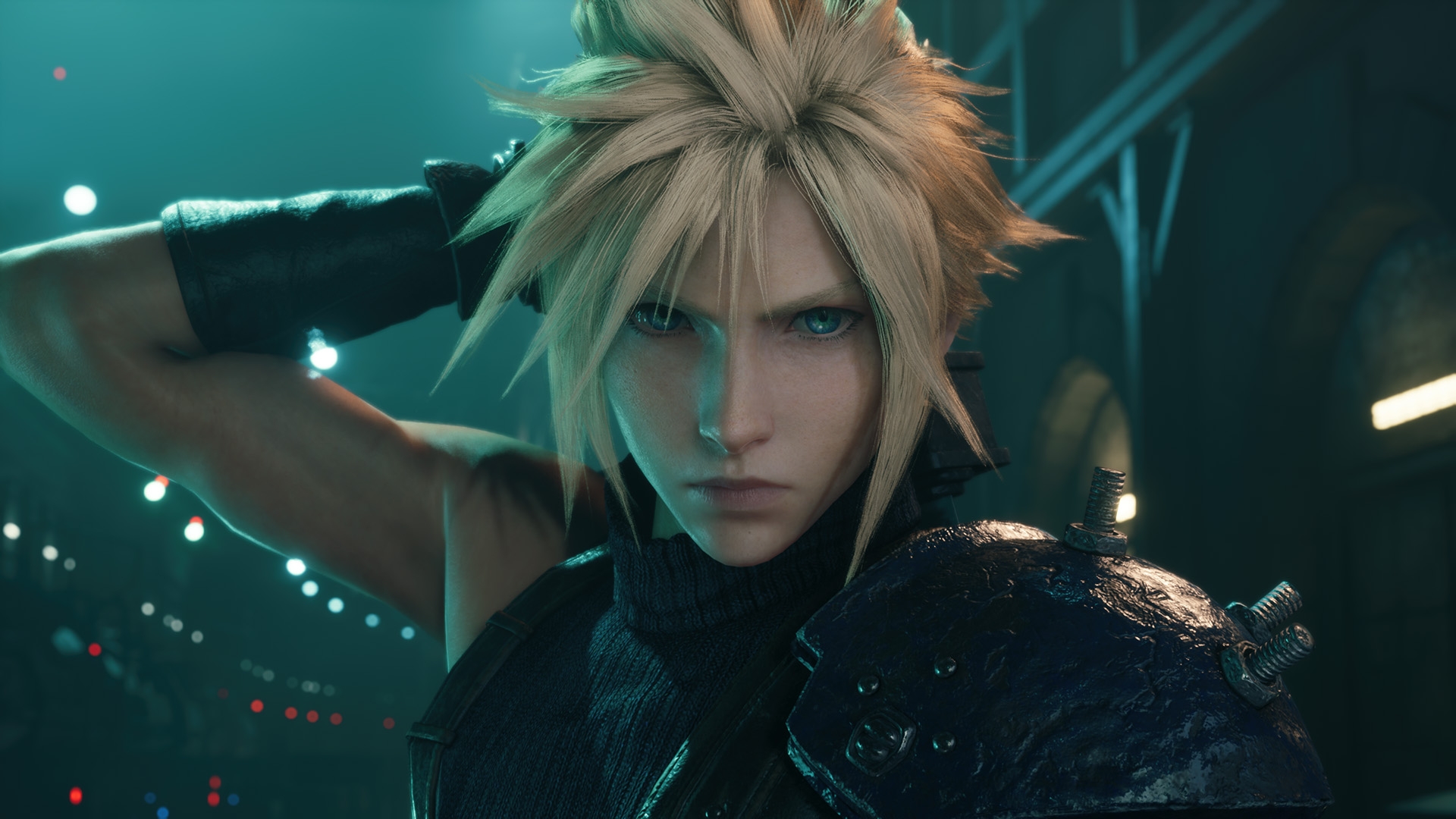
Whether in Final Fantasy VII Remake or Resident Evil Requiem, one specific element seems to have rendering issues on Nintendo’s console. This is the characters’ hair, which looks dry and stiff. In an interview with Automaton, Naoki Hamaguchi, the director of Final Fantasy VII Remake, explained the reason behind this appearance.
While the explanation is quite technical, it’s important to note that the Switch 2’s portable mode imposes restrictions and reduces the game’s definition. This causes instability in TAA (temporal anti-aliasing), making the grain effect more visible in the image. The fine appearance of the hair reinforces this undesirable effect.
“In Final Fantasy VII Remake, we use a process called TAA (Temporal Anti-Aliasing) to prevent character outlines from appearing jagged. TAA is a system that creates smoother, high-definition images by using and superimposing information from previous images in addition to the current image.
Hair is very fine, so drawing it as it is can easily cause each point to appear or disappear. That’s why, in this work, we use a special process that alternates between drawing and not drawing the hair, point by point, for each frame. By combining this process with TAA, we achieve fine, smooth hair lines from frame to frame.
On the other hand, the Nintendo Switch 2 has a portable mode, which imposes additional restrictions. As a result, the game may be forced to reduce its internal resolution in order to reduce the load on the processor. This reduction complicates the stable operation of TAA, making the grain effect more visible. However, the resolution is not always low in portable mode. This game uses DRS (Dynamic Resolution), which automatically adjusts the internal resolution between HD and Full HD depending on the load of the sequence.”