


TSMC is the biggest semiconductor manufacturer in the world with 70% foundry market share. Its chip fabs are mostly based in Taiwan, but it does also have one fab in Japan, two in China and, more pertinently to this story, two in the USA: one 8-inch fab in Washington, and one 12-inch fab in Arizona. However, neither of these lattermost fabs are TSMC’s very best, nor will they ever be.
TSMC is accelerating its plans for 1.4 nm silicon manufacturing, with the hopes of going into full production in 2027. However, according to the Central News Agency, that bleeding-edge tech won’t be coming to TSMC’s stateside fabs any time soon due to Taiwan’s ‘National Core Technologies’ regulations (via Dan Nystedt on X). As per these regulations, TSMC can only transfer production tech that is at least two generations old to its fabs outside of Taiwan.
This point arose during the Legislative Yuan’s Education and Culture Committee, when Taiwan People’s Party legislator Liu Shu-pin expressed concern about how the Taiwanese government can ensure key R&D advancements in semiconductor tech stay in Taiwan.
National Science Council Vice Chairman Lin Fa-cheng reassured that the list of ‘national core technologies’ is reviewed every year, and explained that the ‘N-2 principle’ means that only older tech can be exported globally. Basically, even after TSMC gets 1.4 nm silicon up to speed in Taiwan, its US-based fabs will only be able to make 1.6 nm chips.
It’s not just this tech generation regulation that TSMC needs to worry about, though. Tsou Yu-hsin, the deputy director-general of the Development Research Agency at the Ministry of Economic Affairs, noted that TSMC’s US investments will be regularly reviewed. He added that the Investment Review Committee of the Ministry of Economic Affairs will pay particular interest to both the impact on the semiconductor industry and Taiwan’s own national security if TSMC’s US investments breeze past a certain upper threshold.
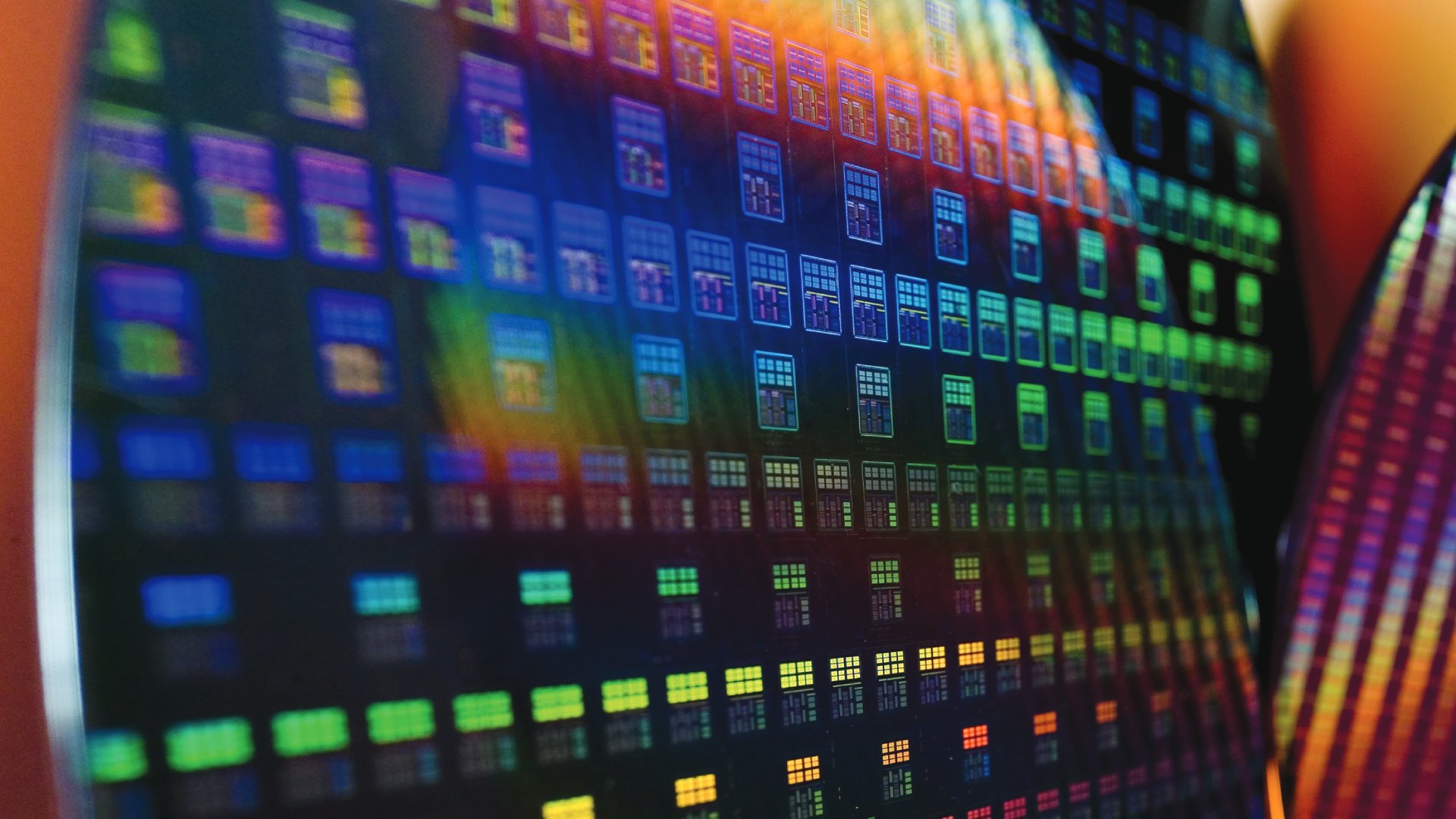
With that in mind, Intel may well have the floor Stateside. The lag in TSMC’s US fabs getting the company’s leading tech will likely give Intel room to breathe. And with TSMC’s hands tied by local regulation in Taiwan, US-based businesses may well look to the well-established Intel and its many Stateside fabs for leading chip tech closer to home.
That could certainly lift internal morale which, last I checked, was “in the toilet.” With the company’s Panther Lake CPU line on the horizon, (and retail listings for Intel Panther Lake laptops already leaking), at the very least, Intel may have reason to look forward to 2026.