

What is it? A first-person sim where you’re a zombie plague “doctor”
Release date: January 12, 2026
Expect to pay: $20/£17
Developer: Brigada Games
Publisher: Devolver Digital
Reviewed on: Intel i7 9700K, RTX 4070 Ti, 16GB RAM
Steam Deck: Playable
Link: Steam
Don’t try to hide a hand grenade in your butt. That may sound like advice so obvious that it need never be said, but in zombie outbreak management sim Quarantine Zone: The Last Check, people try to conceal live grenades in their asses so often I’m starting to worry kids will think it’s just something that gets done.
Kids, don’t do it. Don’t hide a hand grenade in your butt. It’s dangerous and, I have to imagine, quite uncomfortable.
In Quarantine Zone: The Last Check, you’re a… well, I can’t really call you a doctor, though 95% of your job is performing medical exams. You’re in charge of screening the survivors of a zombie apocalypse as they enter a military outpost, making sure they’re not infected by the zombie virus or other illnesses or hiding explosives in their butts, before letting them in.
It’s a great idea for a game, sort of a grisly Papers, Please, and examining people’s disgusting rashes, bloodshot eyes, and gooey internal organs for telltale signs of a virus is yucky fun—for at least a few hours. Sad, then, that examinations get repetitive pretty quickly and the base management systems are so slight they barely even matter. I finished Quarantine Zone’s campaign in under 12 hours, but I ran out of patience before I ran out of patients.
28 Cheeks Later
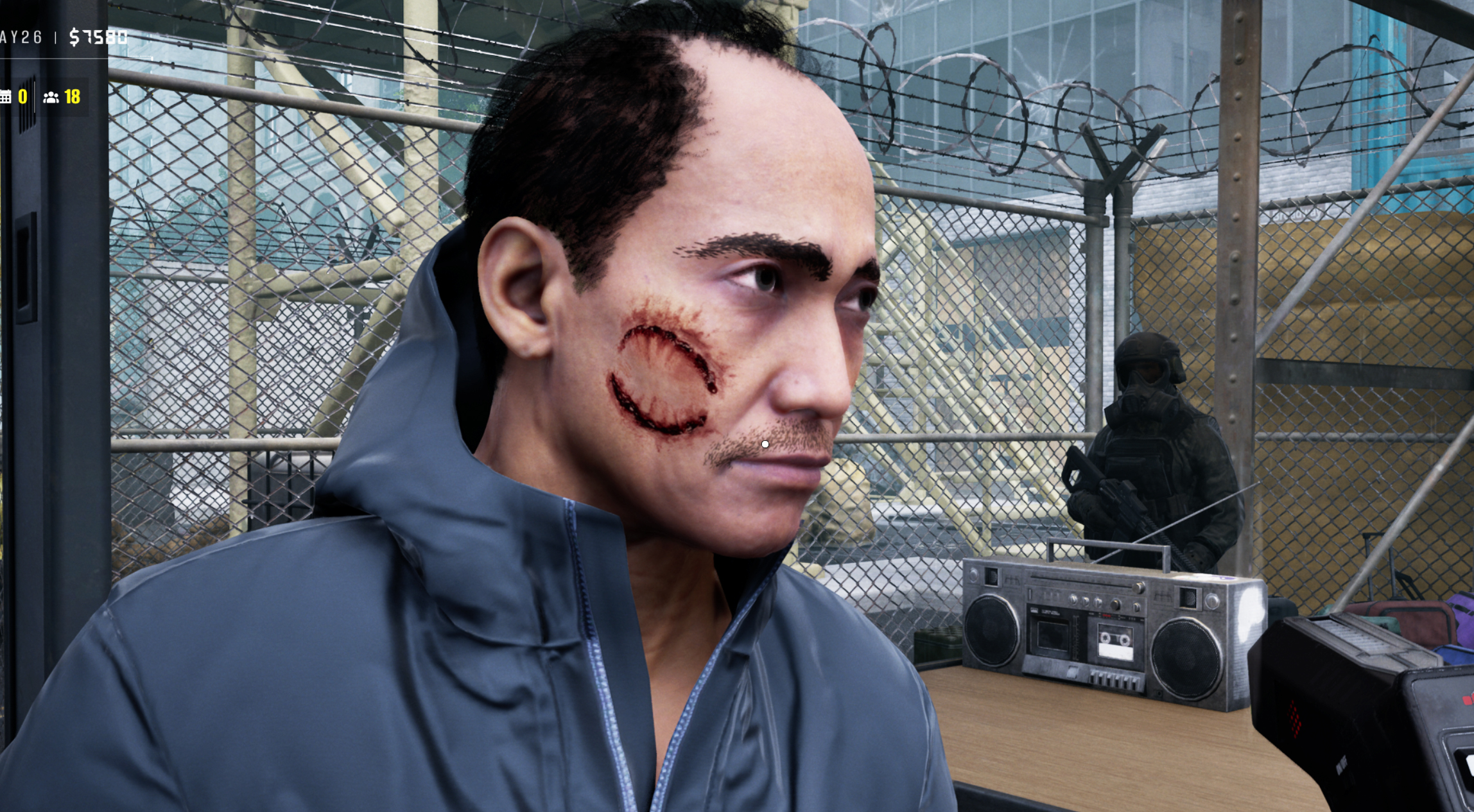
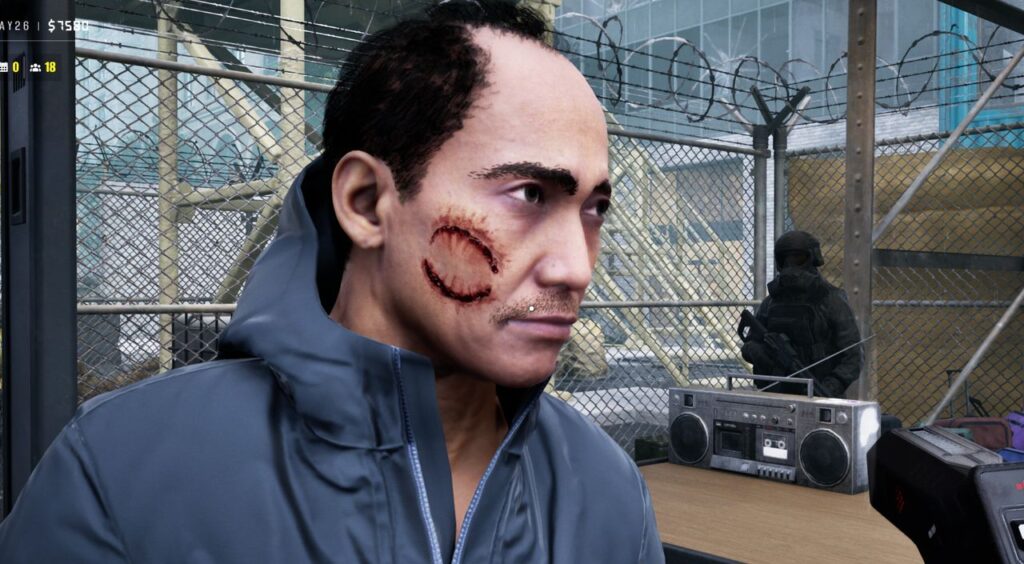
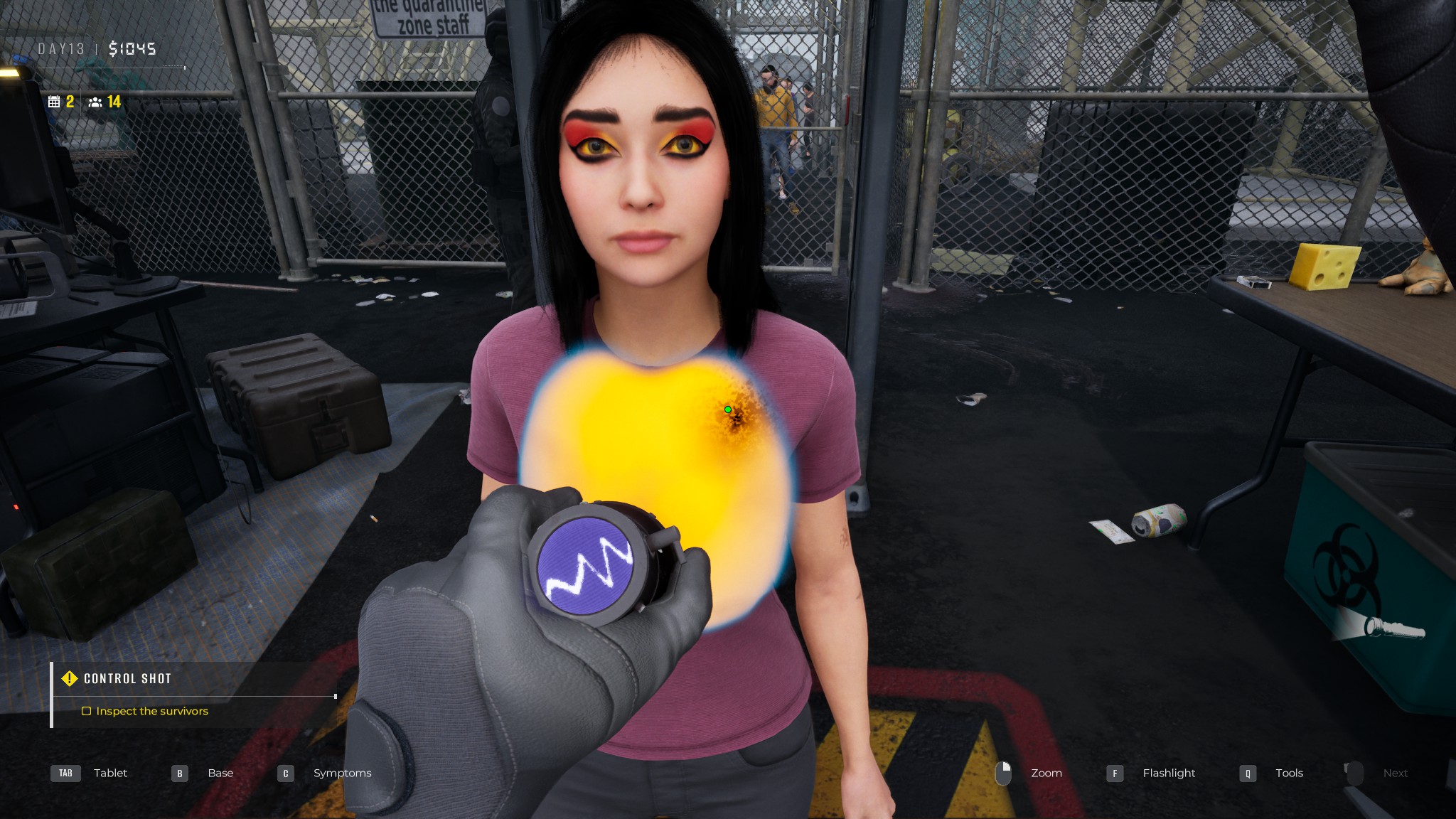
One by one, survivors line up at the checkpoint for your exam and you take a look at whoever is first in line. Are their eyes clear, bloodshot, a bit yellow? How about their skin: do they have a rash, bruises, cuts, or some indication they’ve been bitten by a zombie? Check their pulse and temperature, whack them with a hammer to see if their reflexes seem normal, and compare their symptoms to what you know about the virus. And don’t forget to look through their backpacks and their butts for contraband.
If they seem healthy, send them to the survivor camp where you’ll ship them out on trucks at the end of the week. If they’ve got the zed virus, march them off to be liquidated—which means being shot to death by soldiers in a darkened cargo container. If they’re sick, but not zombie-sick, stick them in quarantine and check on them daily to see if their symptoms improve, or if they turn into zombies and kill everyone else in quarantine.
Sounds like clear-cut post-apocalyptic authoritarianism, but it’s not so simple in practice. Diagnosing is tricky, especially at first: it can be hard to tell if someone is bruised or just dirty, if eyes are just bloodshot red or zombie-red, if their ragged breathing indicates a simple chest cold or zombie-style wheezing. There are different sorts of rashes that can easily be mistaken for each other, and someone with a furious expression may just be angry at the indignity of the exam or in the grips of a zombie rage.
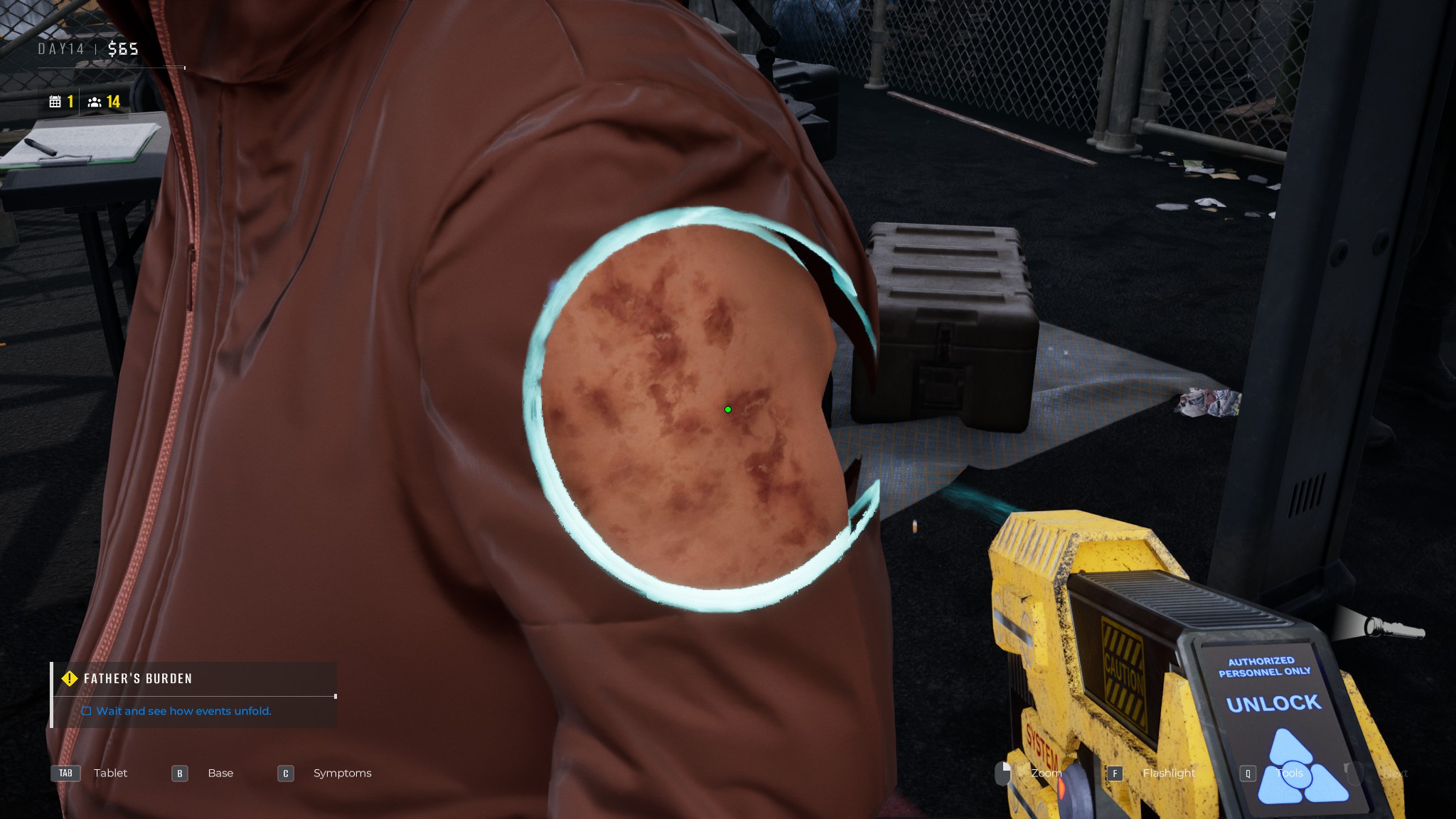
Luckily, you have tools to examine these unfortunate folks, and your medical arsenal grows as you progress through the game. One gizmo lets you peer through people’s clothing to examine their skin for signs of the zombie plague (and a few entertaining tattoos), and another hand-held device lets you look right through their skin to check their internal organs for bleeding or necrosis and smuggled contraband—like those hand grenades I kept finding up people’s butts.
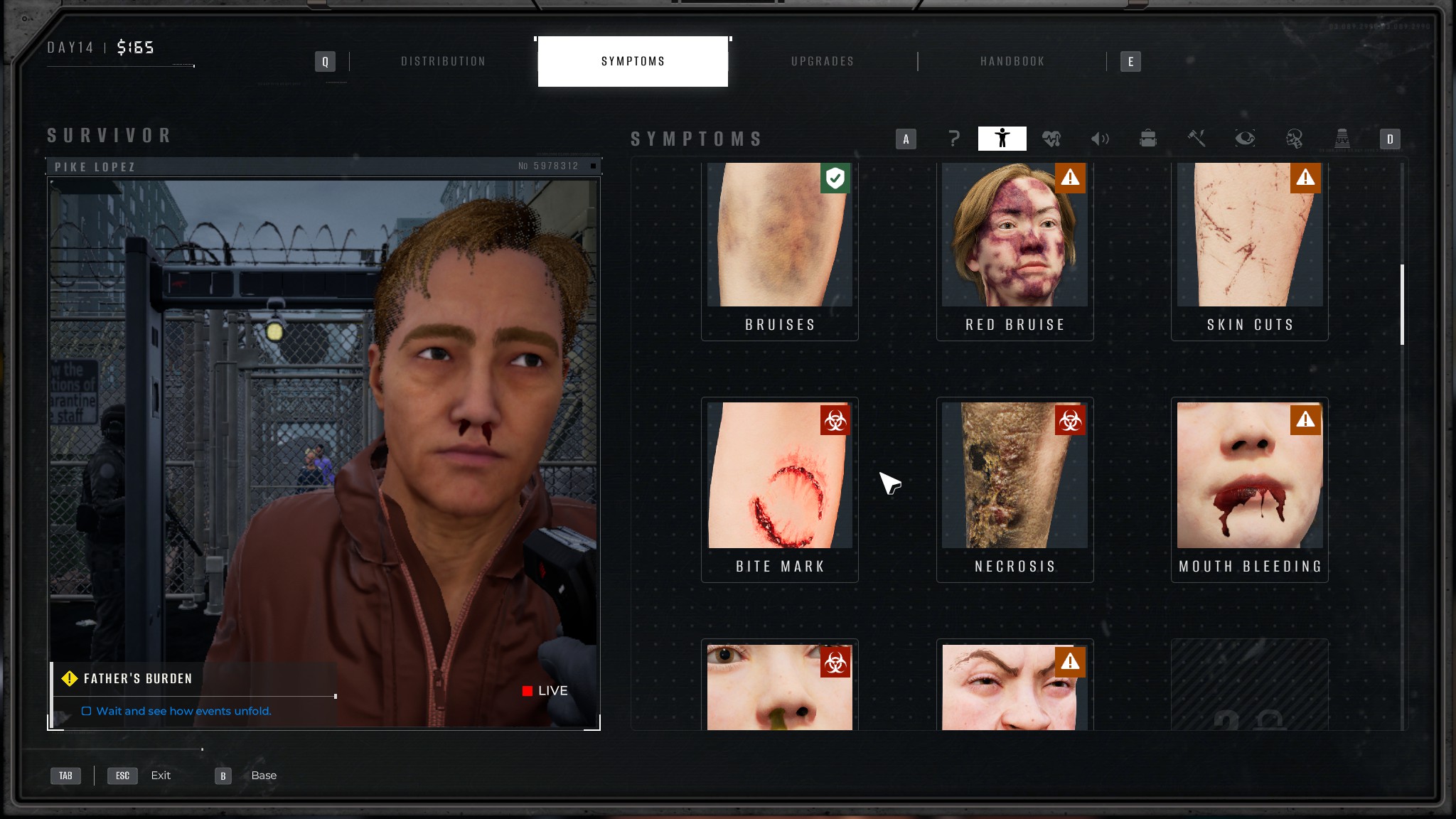
For a while this is fun, sort of like a match game: look at a picture of a rash or a bruise in your menu and try to tell if the person in front of you has the same rash or bruise, or maybe discover a new symptom you haven’t seen before. But there just aren’t all that many different symptoms, and listening to the same lung rattle, seeing the same bloodshot eyes, and checking off the same rash, over and over, it gets old pretty quickly.
Checkpoint gnarly
In addition to screening survivors, you have base management duties, but they’re so basic they don’t add much to the game. Keep food stocked, fuel in the generator, medkits in the sick bay, and spend money to upgrade your tools and base’s capacity for survivors and defenses.
In the demo of Quarantine Zone I played last year, you did these things manually by loading up a cart with supplies and pushing it around from place to place, but that feature has been cut and now you simply click a few buttons in a menu to restock. That means you can handle the management of the base within seconds and get back to examining survivors—so the game almost entirely consists of nothing but the examinations, which is why it gets repetitive pretty quickly.
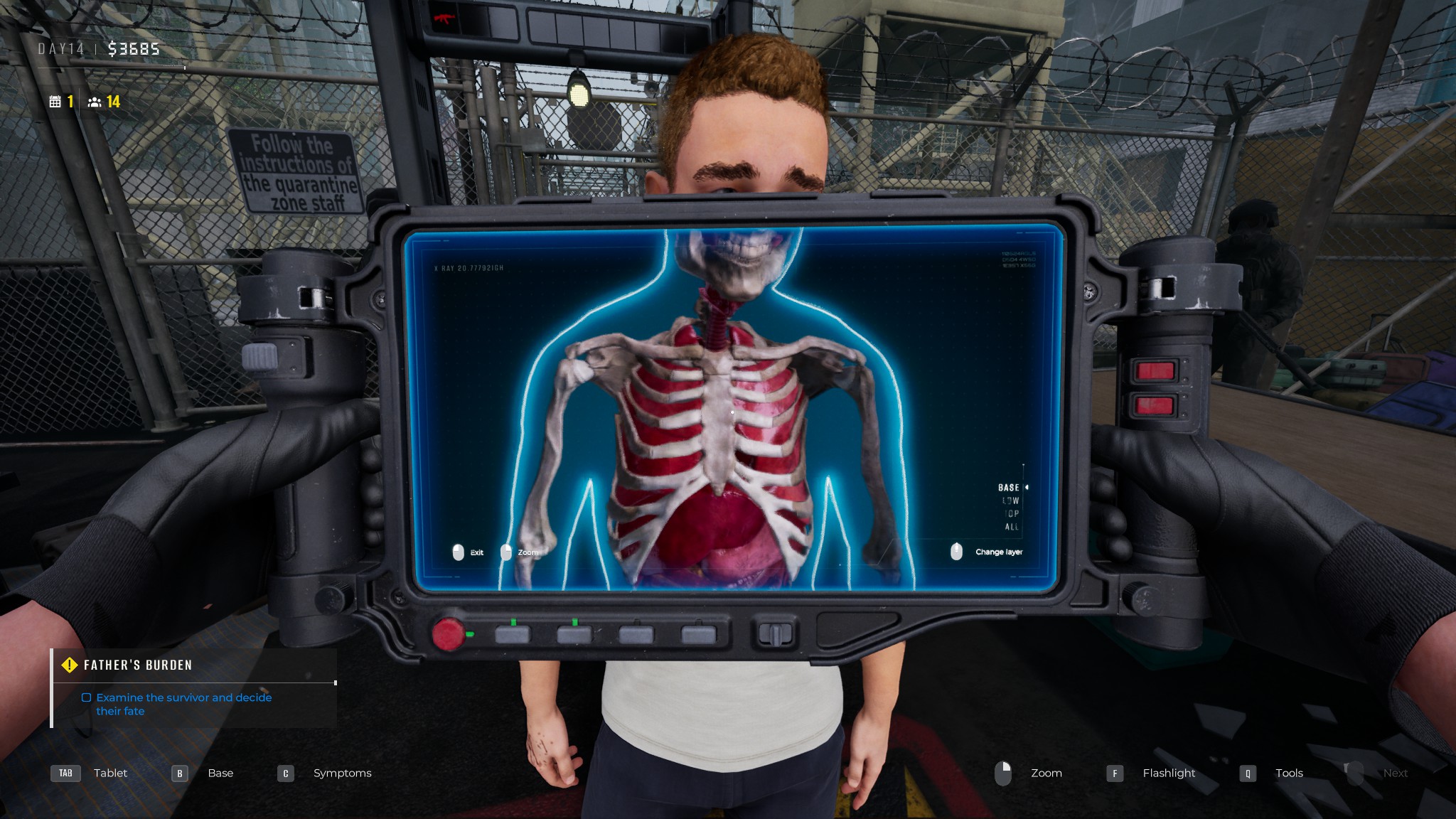
There’s a lab minigame where you remove organs from a living subject with a laser in order to categorize unknown symptoms, and occasionally you’ll also pilot a drone when zombies attack the perimeter, peppering them with bullets, bombs, and airstrikes. These aren’t bad little diversions from squinting at rashes and eye parasites, but they’re both over within a minute or two and you’re back to performing exams again.
More fleshed-out base management features and a bit more variety in the exams, symptoms, and patients would have gone a long way in Quarantine Zone: The Last Check. There are some great ideas here, but they don’t add up to a great game.


This sounds like a unique take on the zombie genre! It’s interesting to see a first-person sim focusing on the role of a “doctor” in a plague scenario. Looking forward to hearing more about the gameplay and experience!
Absolutely, it really does offer a fresh perspective! The idea of playing as a doctor navigating the complexities of a zombie outbreak adds a layer of moral dilemmas that could make for some compelling gameplay. It’ll be interesting to see how they balance the horror elements with the responsibilities of healing.