

Sometimes you can feel the passion and love that an indie developer has poured into their game. It’s rarely a tangible thing, although art-style and narrative often play a part, and instead comes through as a sense that the game is the medium for something heartfelt and meaningful – raising the experience into art as well as entertainment. Project Songbird is very much one of these titles. From the direct personal messages to the player at the game’s opening to the meta-narrative of a designer struggling to bring their vision to life, Project Songbird is a beautifully meditative creation that is also an excellent fusion of walking simulator and survival horror.
When you first boot up the game a message displays from the developer outlining the accessibility options and offering content warnings for anyone who may require them. I appreciate the way this is handled as it provides the necessary safety net whilst also leaving the game’s themes a mystery for those who want to keep it that way. It also immediately creates a sense of direct engagement between developer and player that is returned to at pivotal moments of the story.
The backstory of Project Songbird is one of creative struggle and the ongoing effects of grief and loss. You play as Dakota, a musician trying to write new material after a tragic event and finding that their output has understandably changed from the upbeat pop that made their name. You begin by taking a call from their manager who is concerned that the record label will not like the new direction and offering a creative escape in an isolated cabin in the Appalachians. The game deliberately flirts with the slasher potential of this remote setting, but instead goes down a more interesting and psychological avenue in the shift to horror.

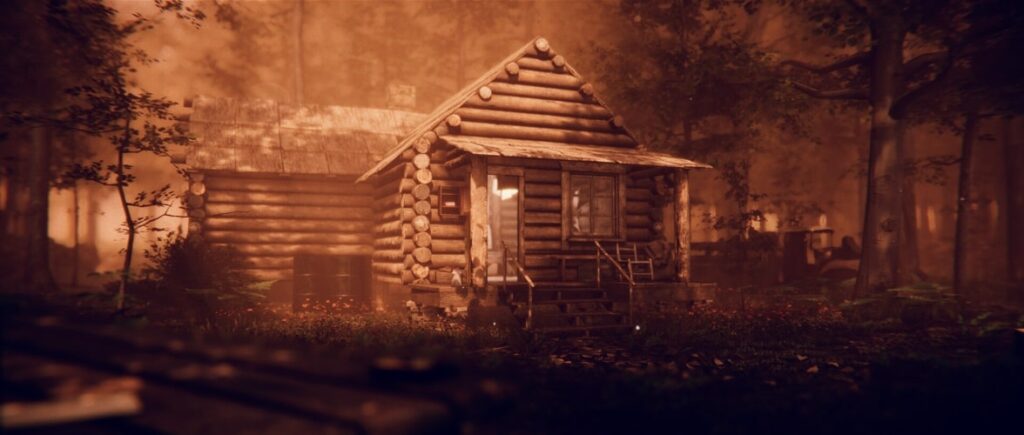
The cabin and surrounding forest are beautifully realised, and the default choice of a more cinematic aspect ratio gives the game a different feel. Similarly, the more nightmarish environments that Dakota find themselves in later in the game are well designed and levels, even when designed as mazes, make sense and ensure that navigation does not become frustrating.
As music is such a central part of the story, the audio design is particularly important and this is an absolute highlight of Project Songbird. Incidental music is perfectly judged, there is a considerable collection of licensed tracks that Dakota can play at their record player, and the song that Dakota returns to throughout as a leitmotif is haunting both in thematic and musical terms. On top of this, the voice acting is superb and the main performance of Valerie Rose Lohman is one of the best you’ll find in the medium. The supporting cast are good too, so the game’s cinematic aspirations are matched by the delivery.

A fusion of walking simulator and survival horror may sound like an odd combination, but the narrative framing makes it work well in practice. Exploring the cabin and it’s surroundings is generally risk-free and involves a series of well designed puzzles and item manipulation. As the game develops, however, you’ll find yourself transported into uncanny liminal spaces that reflect parts of Dakota’s fears and memories and these are far more dangerous locations. Items that you find in the ‘real’ world are carried over, so the axe that you use to chop firewood becomes your first weapon, and so on.
There’s a short scene in the accompanying movie where Conner (the game’s developer) meets a friend for a coffee and struggles with the suggestion that combat needs to be added to the game in order for it retain player’s interest. This meta-commentary adds to the discomfort of these sections, and it is often better to avoid enemies than try to directly engage with them – at least in the first playthrough. Enemies are divided into two main types: lumbering tree-like monsters that hit hard and terrifying demonic entities that move whenever you take your eyes off them. The sound design for the latter takes what is a fairly overdone game mechanic into a truly horrific experience, especially in puzzles where you have to interact with a piano whilst they are hunting you down. I had to have the key layout on a second screen as I can never remember it!

One thing to know about the game’s story is that it covers some dark issues, with themes of loss and suicide being paramount. These are dealt with both directly and through their effect on the notions of creativity and art. I felt they were handled with admirable sensitivity but obviously, such issues are inherently subjective and players need to consider their own situation and potential reactions.


This review of Project Songbird sounds intriguing! It’s always impressive to see the dedication that indie developers bring to their projects. It’s a reminder of the creative challenges they face, like writer’s block, and how it can impact their work. Thanks for sharing your insights!