



The power dynamic in gaming and media is reversing. Forget renting digital goods; players are now becoming actual asset owners and key economic stakeholders. If you’re tracking the future of digital assets, you must understand the radical mechanics changing everything from asset ownership to content governance.
The world of digital media and interactive entertainment is being profoundly transformed by decentralized technologies. This shift moves ultimate control over assets back to users from centralized intermediaries.
Understanding these emerging economic systems depends on closely monitoring the often volatile trends displayed on crypto charts. For developers and players, these movements serve as vital indicators of ecosystem health and asset value, offering a clear view into the fundamental economic structures.
This Web3 movement fundamentally changes how value is generated, shared and sustained across gaming and media ecosystems worldwide.
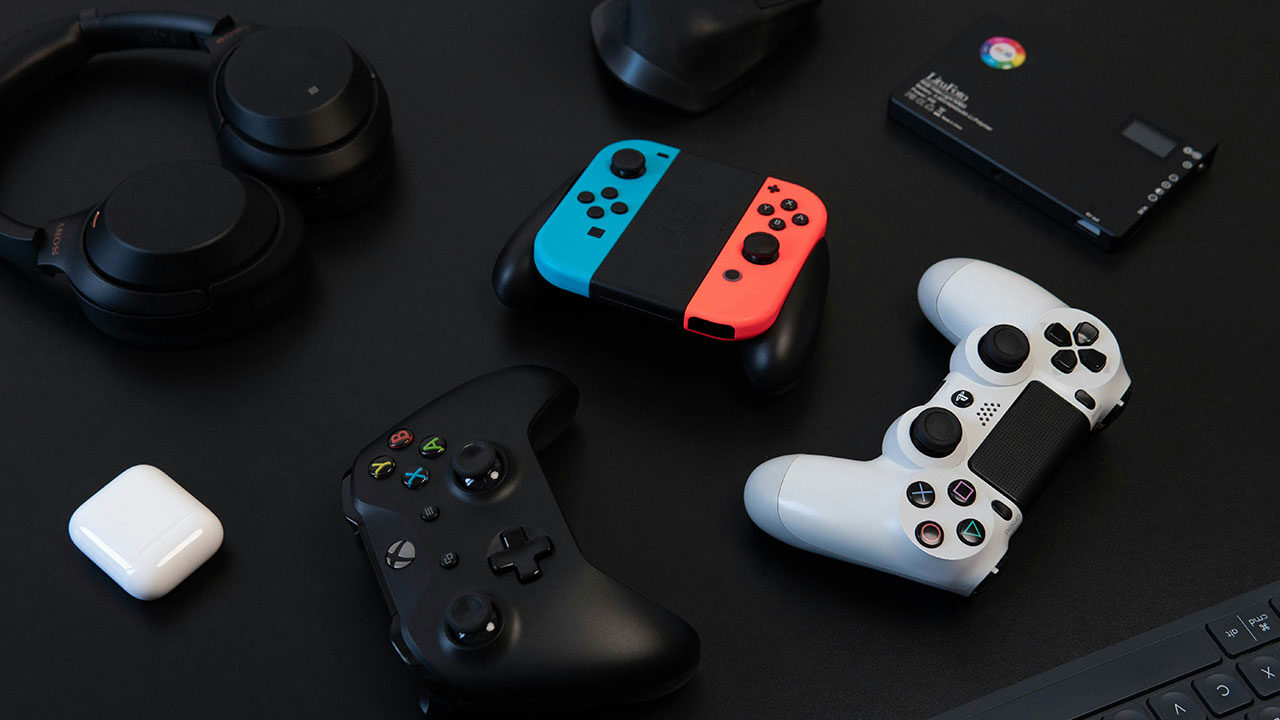
Decoding Digital Ownership
For decades, the typical developer-player relationship was that players were just renters of digital goods. You invested resources in acquiring those items, but the final ownership remained with the game publisher. Blockchain technology disrupts this outdated system by providing digital ownership.
So the question you should be asking is: Don’t you own the things you create after investing all those hours in the game? This player-centric focus has fueled explosive market growth. The worldwide blockchain gaming market was valued at approximately $4.6 billion in 2022, according to global market analysis.
That figure is projected to skyrocket to an estimated $65.7 billion by 2027, reflecting a Compound Annual Growth Rate (CAGR) of over 70.3%. This massive trajectory confirms market confidence in the new economic framework, empowering users to monetize their time and skills in a significant way.
Non-Fungible Tokens (NFTs)

Central to these new economies are Non-Fungible Tokens (NFTs). These are not merely digital pictures; they are unique digital assets providing an immutable record of ownership on a digital ledger. This mechanism grants your purchased items intrinsic scarcity and liquidity.
In the media and gaming sectors, NFTs serve multiple critical functions:
- Proof of Sole Ownership: They confirm that the asset belongs solely to you and is recorded on a public ledger.
- Interoperability Potential: The key benefit here would be the utilization of resources across various games or platforms.
- Secondary Market Access: Facilitates the development of strong secondary markets for trading one-of-a-kind items, providing continuous value for both creators and asset owners.
This concrete data point shows that in 2021, over 1.4 million unique active wallets (UAW) participated daily in Web3 games, based on industry reports. This level of engagement clearly demonstrated the high demand for player asset models in interactive entertainment.
The Evolution of Game Economics

The earliest phase of this movement, often termed GameFi, struggled because it prioritized speculative financial returns above all else. When immediate earnings dropped, the token economies collapsed. The industry acknowledged a hard truth: ensuring games are fun comes first.
Now, the focus has drastically shifted. Projects understand that engaging gameplay and a smooth user experience are essential, with underlying digital infrastructure acting as enhancements. This evolution requires strong tokenomics aimed at long-term sustainability rather than speculation.
These newer models strive to maintain a careful balance by incentivizing core community contributors, gamers, and creators with ecosystem benefits. This value grants access to features and content, supporting an economic system that depends on genuine demand for digital assets and authentic native revenue, rather than relying solely on inflationary token issuance.
The Value of Your Vote
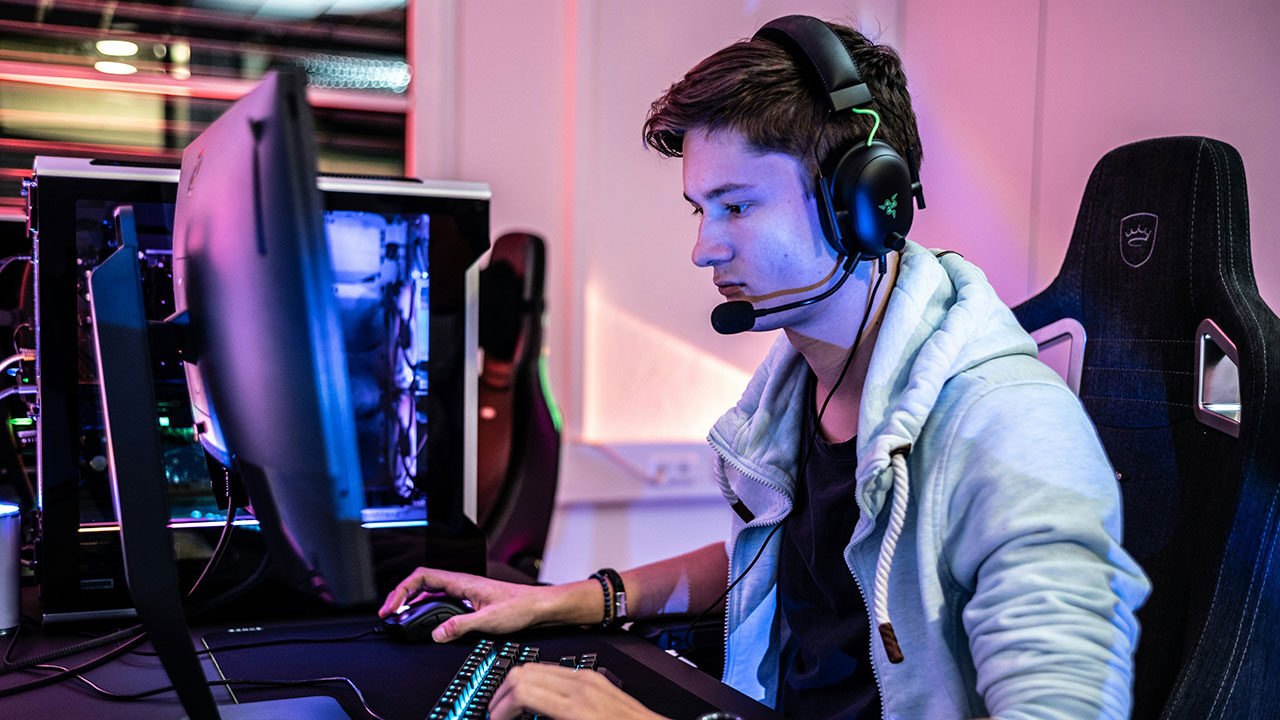
The underlying technology also incorporates another significant feature: Decentralized Autonomous Organizations (DAOs). These systems allow passive participants to become actual stakeholders within an ecosystem. By holding governance tokens, users gain the right to vote on key project or treasury decisions.
This democratization means you have a direct, meaningful stake in the future direction of your chosen game or platform. Your vote through governance tokens enables you to:
- Propose and vote on significant changes to game mechanics.
- Influence the allocation of community treasuries for marketing or development.
- Participate in determining the platform’s financial balance.
This mechanism fosters a symbiotic relationship between developers and the community, creating stronger, more resilient digital worlds. By transferring authority, projects ensure long-term community buy-in and investment.
Solving the Usability Challenge
Even in the context of revolutionary progress, the sector needs to address the underlying problem of complexity. Technological challenges, such as the issue of cryptocurrency wallets, uncertain gas prices and low transaction speed, may serve as barriers to mainstream adoption.
The secret to widespread use lies in the system’s ease of use. This would involve substantial infrastructure improvements, such as the development of Layer-2 scaling solutions or parallelized networks. The objective here is to increase transaction speed and reduce transaction fees.
The goal is to create a seamless experience in which the underlying technology remains unnoticeable in the background while still providing features such as real ownership of assets or governance in games developed on traditional platforms. Reducing the technical hurdle in this way ensures that these advantages are accessible to a global audience.