

Reviewed on:
Switch 2
Platform:
Switch 2
Publisher:
Nintendo
Developer:
Koei Tecmo, Game Freak
Since its inception, the Pokémon franchise has been about checking boxes; after all, the famous tagline is “Gotta Catch ‘em All!” Pokémon Pokopia evolves the checklist concept beyond collecting gym badges and catching Pokémon, stripping conflict of any kind from the experience and instead giving you nearly endless tasks to improve your various towns and the overall happiness of the Pokémon therein. And it does so with a loop that mixes elements from Dragon Quest Builders, Animal Crossing, and Minecraft, resulting in one of the best laid-back simulation titles I’ve played in years. Though it maintains an emphasis on collection, it shifts the focus from battling to revitalizing a post-apocalyptic region and reforging our connections not only to the world, but also each other. And just like when the mainline Pokémon series is at its best, I had a difficult time putting it down.
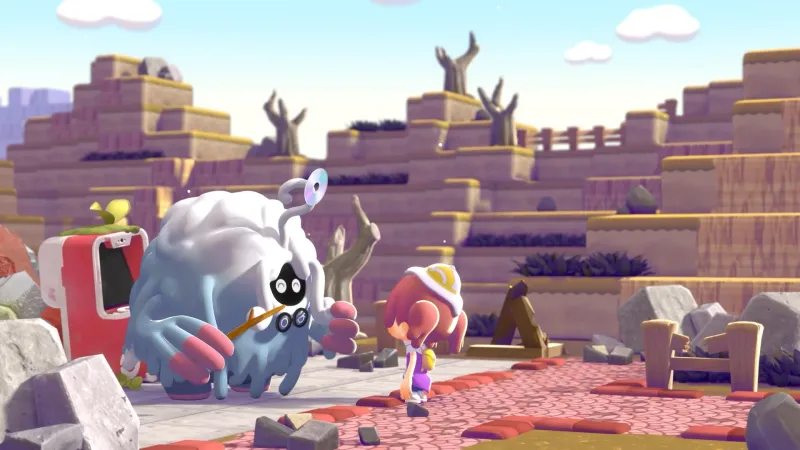
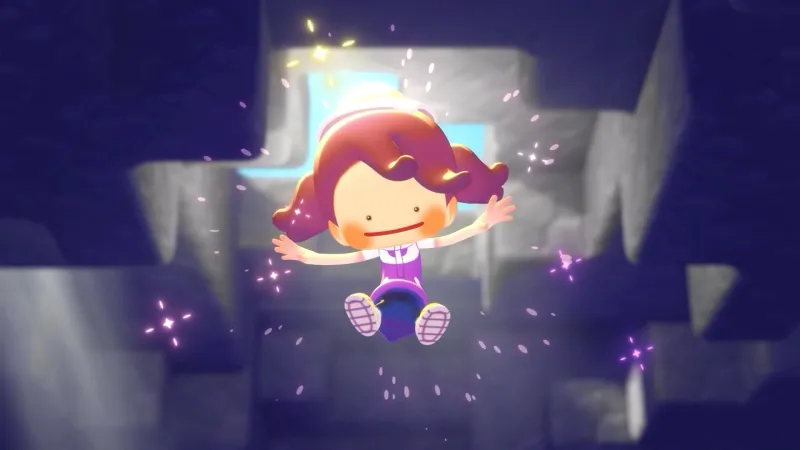
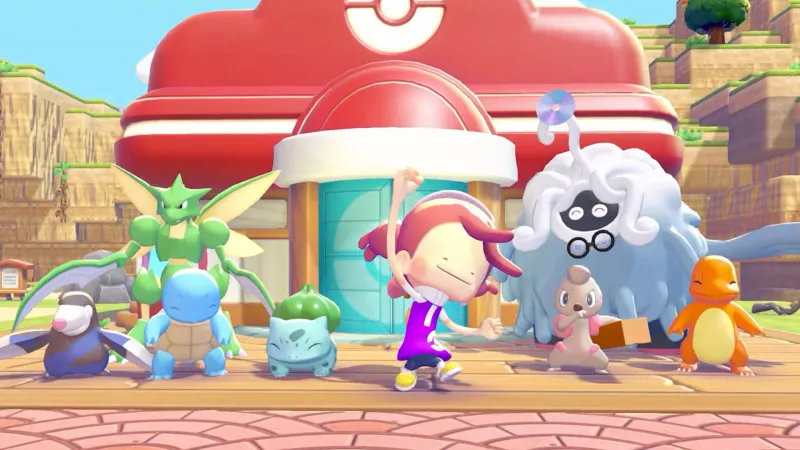
In Pokopia, you control a Ditto, who wakes up with no trace of their trainer, so they turn into a customizable facsimile of a human. As they venture into the surrounding world, they discover humanity has abandoned the Pokémon world. The area feels lonely, barren, and desolate, but one Pokémon, a Tangrowth, is there to hold your hand as you reenter the world of the living. This creature, who adopts the name Professor Tangrowth, serves as the primary driver of the main narrative, handing out tasks that will reinvigorate the area, with the express purpose of not only attracting more Pokémon, but hopefully also the missing humans.
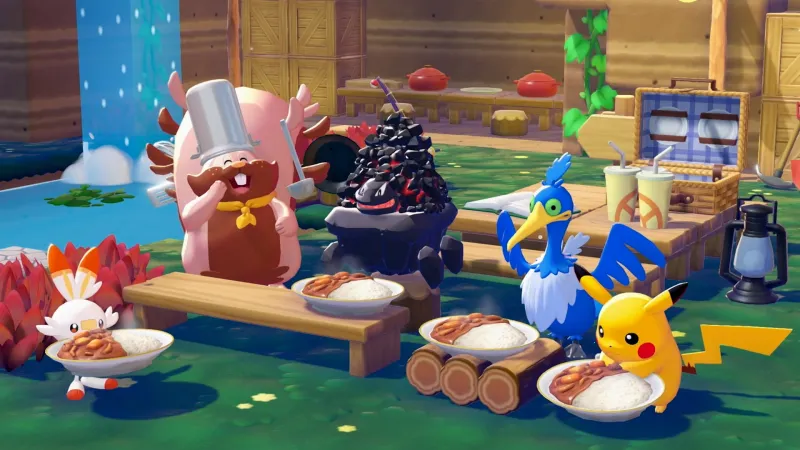
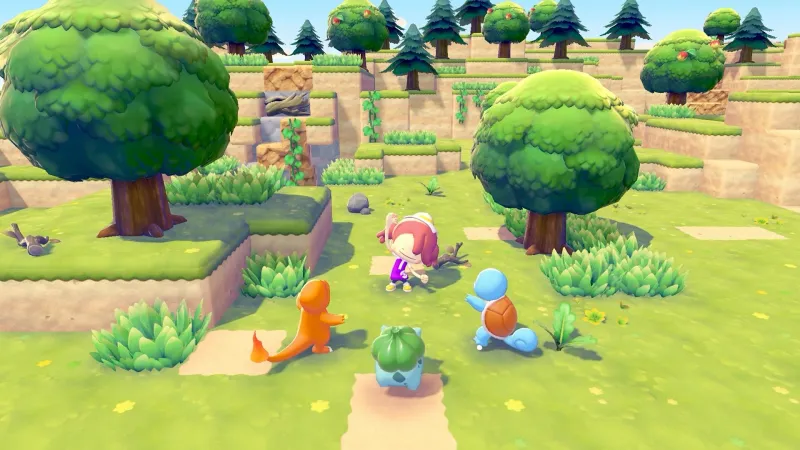
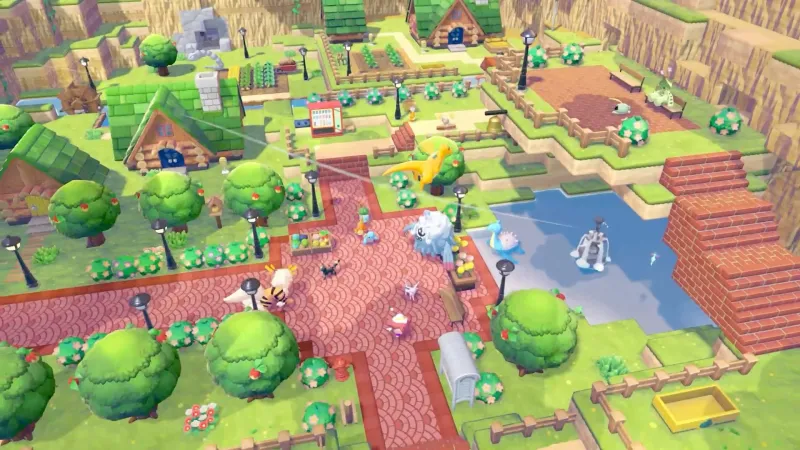
After just a couple of hours, the first biome is no longer brown and empty, but green and bustling with recognizable Pokémon. It’s a supremely rewarding gameplay experience, revitalizing an area and watching various species congregate and collaborate to improve their living situation, which is important since it persists through to the end of the narrative.
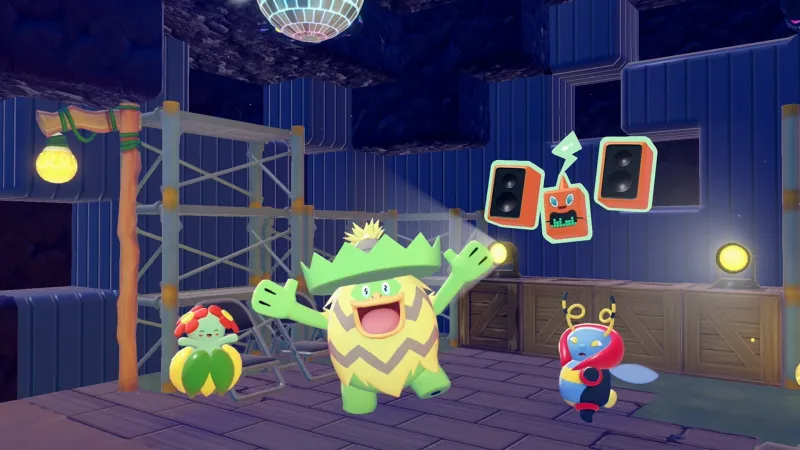
In each environment, you also have important requests, which involve working with your Pokémon friends to accomplish area-specific tasks, like summoning a rainstorm or throwing a party. These are the culmination of each environment and serve as the main way to push the overarching story forward, but the tasks often require specific Pokémon and resources, putting you on rails more than I prefer with cozy games such as this.
The story is littered with enthralling mysteries I couldn’t wait to further unravel. What happened to humanity that caused it to flee? Why did this world fall into a state of disrepair? And who are these strange Pokémon who look like special variants of existing creatures? As a Pokémon fan dating back to 1998, pulling these threads, which include fun nods to the series’ past, served as a highlight of my time with Pokopia.
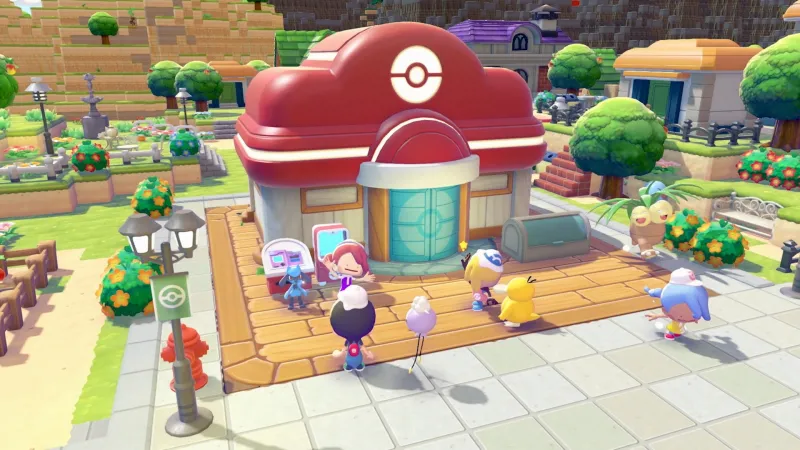
As part of the revitalization effort, you need to rebuild each town’s Pokémon Center, which involves using resources and recruiting the area’s Pokémon to fill roles like bulldozing, building, and others. Since each Pokémon has specialties, you need to fill those roles with your befriended Pokémon and gather resources before you can build anything, which pushes you to fully explore the area. This means a lot of running back and forth to complete tasks, but thankfully, you can build rail networks to make traversal easier. Unfortunately, I was often so thorough with my curious exploration that, before I triggered the narrative events, I had often already completed the requests, leading to awkward, extended conversations where a Pokémon asks me to do something I already finished hours ago.
Each structure you build – along with other tasks you complete – raises the environment level of the biome, progressing the story and unlocking new items in the shop. This makes each construction project feel more monumental, but since some buildings (like Pokémon Centers) aren’t ready until the next day, I was always frustrated that it throttled my progress. It kicked off several races against the clock, making sure I started “ready next day” construction projects before midnight, so I didn’t have to wait 24 hours for them to be ready. I understand the reasoning for having construction projects take time, and there’s rarely a shortage of tasks to complete while I wait, but it’s frustrating when I just wanted to progress the main story. For an otherwise laid-back game, this element adds layers of stress.
Your first biome may be dried and dead, but a mid-game environment gives you a flooded and polluted beachfront to reckon with. Though many of the tasks are similar – recruit Pokémon by recreating habitats they like and then craft, build, and organize your way to getting the area back to life – each sprawling, multi-layered environment presents new challenges and exploration opportunities. I cannot tell you how many times I went exploring for a very specific purpose, only to get sidetracked by myriad offshoots and extra tasks that presented themselves.
Though I was sometimes underwhelmed by how Pokémon Pokopia rewards you (or, in some cases, doesn’t) for deviating from the beaten path, exploration was often a reward in and of itself, as I would find a new path through the environment or a vista that let me chart areas I hadn’t yet visited. My favorite incentive for exploration, however, is lore drops, which provide hints about what happened to this ruined world to drive humans away and Pokémon into hiding.
When Pokémon join your town, some offer their assistance by following you and using their powers, such as Magmar lighting fires or Piplup spraying bubbles to clean dirt. I loved building a small army of followers and running around the environment, completing tasks and cleaning up together. However, the most impactful Pokémon grant you new abilities for Ditto’s Transform, which allows them to copy another Pokémon’s moves. Even 30 hours deep, I was still earning new abilities that vastly improved my expeditions and opened new parts of areas I previously thought thoroughly investigated.
While the main campaign is extraordinarily guided – at times to a fault – Pokopia offers a bonus biome that allows for free-form exploration, construction, and Pokémon-attracting. The main story leans heavily into developer Omega Force’s history with Dragon Quest Builders, but this extra area is more in line with Animal Crossing; you have basic goals, but none of the overarching narrative or hand-holdy progression found in the main game. And since this space is so massive, you can sink dozens of hours into this area alone. The narrative-driven elements are positioned as the main attraction, but this free-form area is an excellent way to decompress from the constant checklist chasing. Long after rolling credits on the main story, I will return to my sprawling island to continue shaping my little Pokémon paradise.
Pokémon Pokopia is a game of wonder, exploration, and revitalization, delivering a cozy, satisfying experience with no threat of danger. Despite my minor complaints, Pokopia sticks out as one of the best examples of a third-party developer using the Pokémon license to the fullest extent possible. As a kid, I always wished I could spend time in the Pokémon world, and now, 30 years later, I feel like I have.