
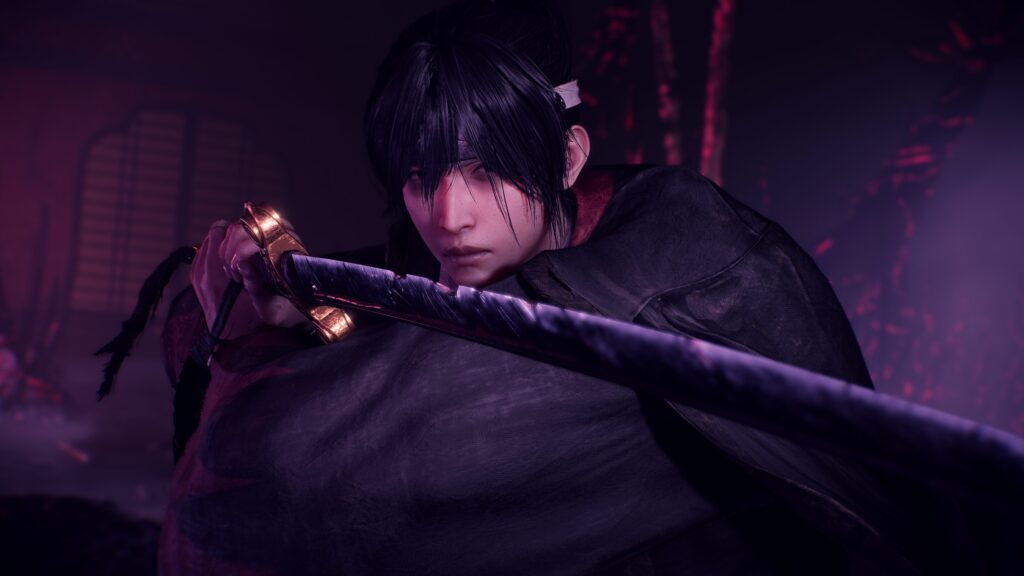

Brutally challenging fights are only rewarding when you’re given the ability to take on those challenges in a way that feels fair. The best Soulslikes understand this, and the satisfaction you get after snatching back victory from the jaws of defeat is among my favorite parts of this genre, a facet that, despite great sales, many players don’t experience thanks to the difficulty being a factor in their progression. Outside of FromSoftware, the Nioh franchise was often my go-to option when I was looking for that specific thrill.
I’ve put in way too many hours just going on rampages in Nioh 2, using my Tonfa and Swithglaives to devastating effect against vicious yokia. It makes sense, then, that I’d definitely like what Nioh 3 has brought to the table. But it’s more than just the addition of new ways to take down enemies with deadly efficiency; the possibility of a single mistake screwing up what could have been a glorious run often at the forefront of every encounter.
Team Ninja’s effort to weave in the best parts of all the titles it has made over the years has made Nioh 3 a game that I see as something that I could easily play for a weekend marathon or even a title I could jump into when I have an idle hour to spare. But what makes it so darn addictive that I’m thinking about it when I’m away from my console? Well, I’m certainly glad you asked.
Mechanically Marvelous
Let’s get the obvious part of what keeps me coming back to Nioh 3’s excellent combat system out of the way first. The new mechanics that it adds to the returning features are a sublime blend of innovation and excellent execution.
The Samurai style is Nioh as you know it. You weave in Ki Pulses into your attacks, taking care not to put yourself in a situation where you’re lacking the energy to move or lift your weapon. You’re carefully attempting to wear down your enemies and deal massive damage with a killing blow. You switch between your High, Mid, and Low Stances depending on whether you’re looking to deal damage to your enemy’s health, Ki, or a bit of both.
But things have changed this time around. One of the earliest skills you can unlock is the Deflection ability, which is essentially a Parry that works on anything other than the red Burst Attacks that your opponents dish out from time to time. On its own, it’s been a major part of why I’m finding Nioh 3 so hard to put down. I’ve caught myself baiting new enemies into attacks just to learn their attack patterns so I can nail down the timings on my deflects, and it’s just so damn satisfying I’ve stopped attacking first altogether!
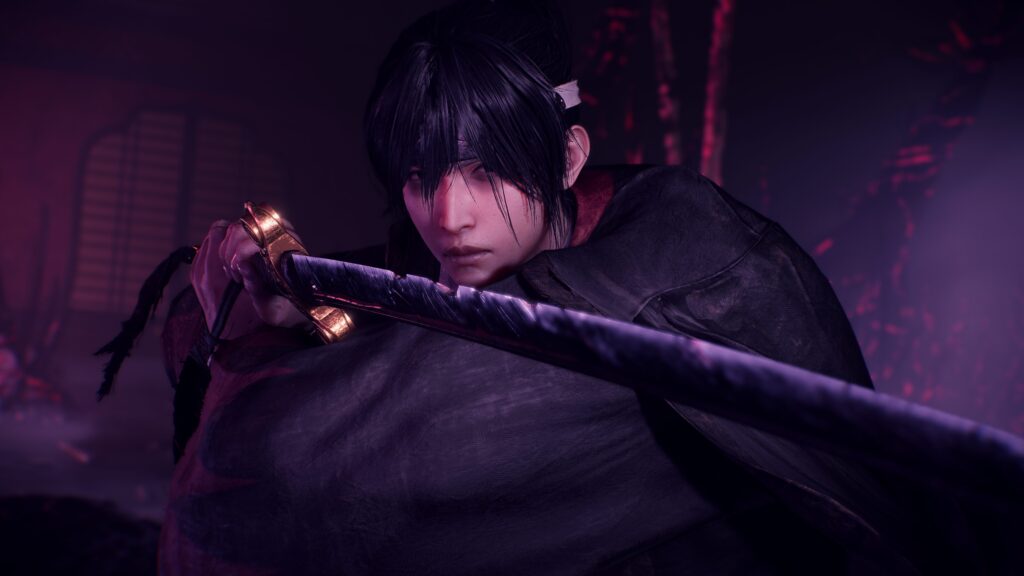
What’s more, the parry works across weapon types, and it really changes the way I approach combat in this game. It gives me a way to just stand my ground and take fights head-on, my dual blades shredding through my enemies’ health and ki while each parry helps me recover Ki every time I pull one off. It kind of feels like a mix between the Clash system from Wuchang with Team Ninja’s own Wolong, and I’m all for it. The parry is literally a game-changer, but it isn’t the only one. There’s also the Ninja style.
Having the option to switch to a more nimble and agile character in the heat of battle has been a lifesaver on so many occasions, where I managed to create the space I needed to down an elixir when a particularly nasty attack had me down to a sliver of my health. Where past titles in the franchise would have had me desperately dodging or rolling away from attacks in order to recover, Nioh 3 handles that a touch differently.
A simple press of a button gave me the ability to just leap away to safety, while a dodge ability unlocked pretty early on from the Ninja skill tree took that to the next level. Getting in and out of attacking range is now so stylish, I can’t get enough of it. But the Ninja style isn’t just about creating space. It’s about controlling it.
If you’ve been playing the game, you know that attacking an enemy from behind as a Ninja gives you a damage boost. But what the game didn’t tell me was just how much of a boost that was. It’s a lot, and when you combine it with the extended dodge, you start to see why the Ninja style is not just a great addition from a mechanical perspective, but an absolute necessity when it comes to tackling large enemies with wacky hitboxes.
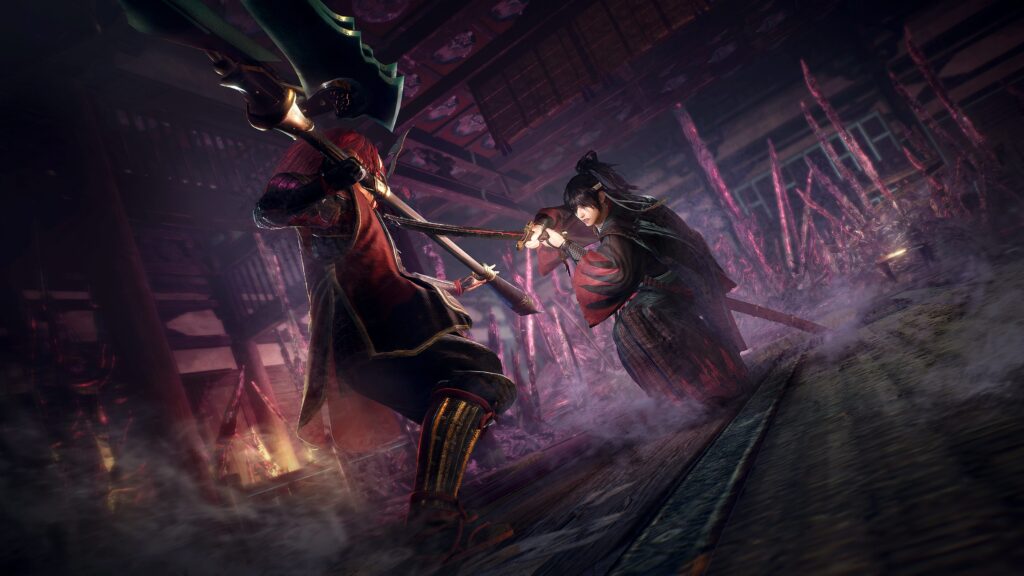
Nioh has always been about using every trick in your pocket to eke out an advantage against unforgiving enemies. Nioh 3 follows that trend, and combat in the game is built around weaving between enemy attacks, switching styles on the fly in response to your enemy’s actions, and dishing out some damage before you disengage and look for your next opening.
It’s a combat loop that has you absolutely locked in, and the addition of magic attacks, alongside martial arts for your Samurai style, can make your build look and feel like a killing machine that’s nigh on impossible to defeat. But defeats happen more often than you’d think, with my character being freed from their mortal coil almost as much as I was releasing the yokai and enemy soldiers from theirs.
Why is that, you ask? Well, your player character is only one side of the equation in a great combat system. It’s time to take a look at the opponents you face and the way in which they have been designed to encourage improvisation and tactical attacking on the battlefield.
Worthy Opponents
One of the things that I noticed as soon as I entered the open-world in Nioh 3 was how many enemies from Nioh 2 were a part of its roster. I found the Gaki to be morbidly adorable the first time I encountered them in that one, and I smiled to myself when I saw one of them gorging on the remains of a soldier in Nioh 3.
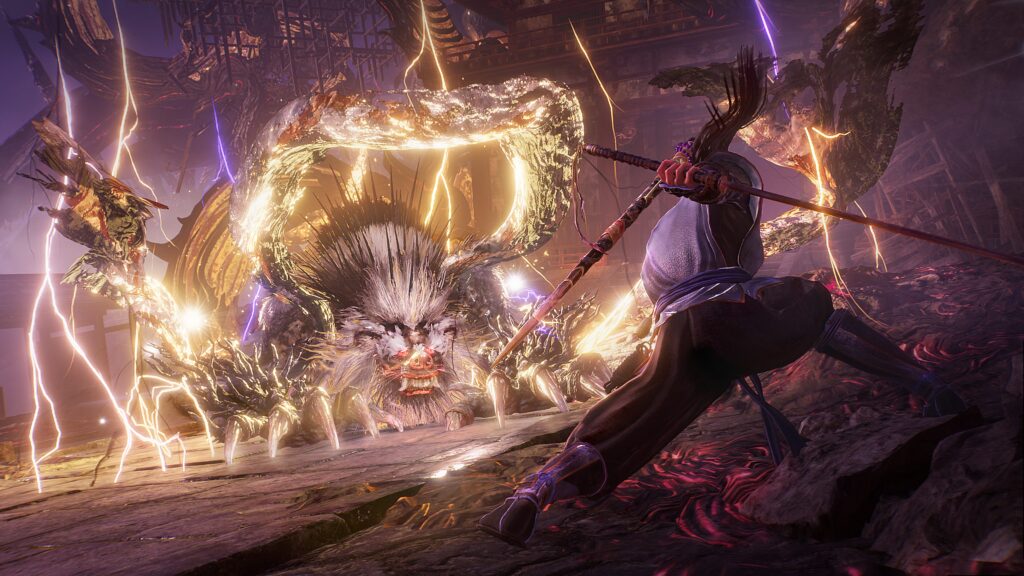
They’re the same, and yet, the way you can now tackle them is different. I parried their feeble swipes with ease, my muscle memory already kicking in from the many hours I spent taking them down. There are several other familiar faces from the previous game’s roster, but their timings have been shifted ever so slightly to keep you on your toes as you fight them.
The weird hybrids between Medusa and a snake are back, but their tail slams are now delayed attacks that you need to pay attention to and time either a parry or dodge just right in order to gain an advantage against them. The Jailer Oni come with the usual slams and stabs that are now a whole lot easier to deal with.
What has me so enamored with fighting off grunt enemies is the sheer number of options I have at my disposal at any second. I could choose to switch to the Ninja style and position myself behind an enemy that tries to slam its weapon down, using the brief recovery period it has to deal some additional damage to its back. Or I could try and parry the slam as a Samurai, dealing massive damage to its Ki while recovering some of my own.
I could choose to back away altogether, using my Ninjutsu to throw homing spells, bombs, and pinwheel shurikens at them from afar before closing in and switching styles for a Burst Counter. I could unleash a Martial Art attack. It’s honestly hard to stick to a specific pattern when there are so many cool ways to take the fight to your opponents.
The new enemy types are another reason why I love Nioh 3’s combat as much as I do. They’re built to force mistakes, making you learn their movesets before you can begin to formulate a plan of attack. Many of their moves are designed to have you switching styles, like the sonic bat that shrieks at you to instantly drain your Ki, the only way to counter it being a quick switch to the Ninja style and throwing out a shuriken to interrupt it.
When taking on these enemies in groups, Nioh 3 really puts its players to the test, the Lesser Crucibles being an excellent showcase of just how challenging the game can be despite all of the great options it gives you against its enemies. The very ground you’re on can become a more dangerous foe than the yokai you’re up against.
A very memorable battle between some lowly Gaki and me quickly turned into a desperate fight for survival as I kept getting shoehorned into a lava-filled corner of the arena, a situation made worse by the arrival of the Gaki Chief, a massive version of the base enemy whose sweeps and slams came with AoEs that needed to be dodged at all costs.
Nioh 3’s roster of enemies, both old and new, is designed to create pressure so that all of your techniques then become options for you to think tactically in the heat of battle. That’s the underlying beauty of its combat system, the constant struggle to control the flow of the fight and make it go the way you want, being as much of a pleasure as the moment your plans come together for a glorious victory.
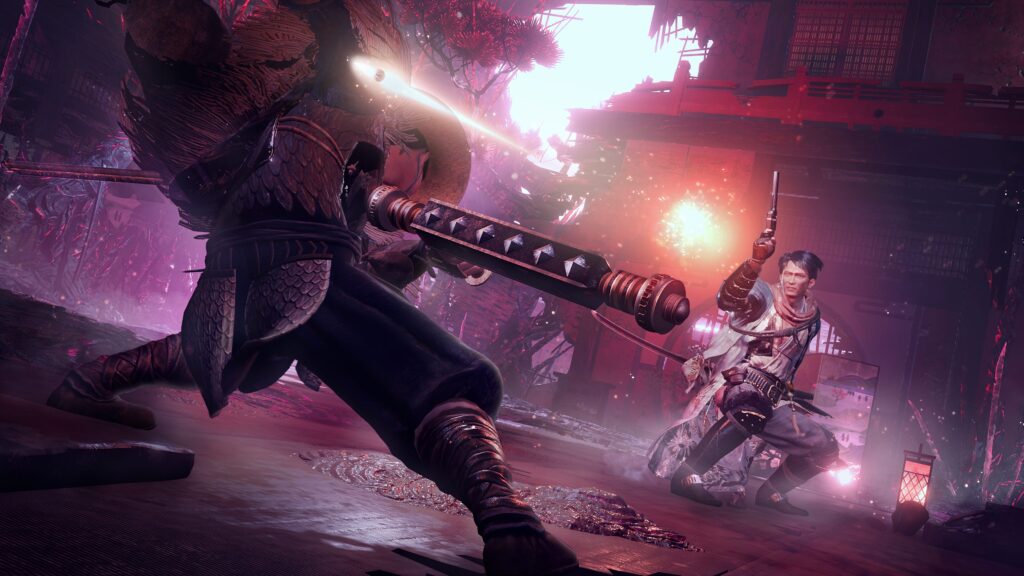
Nioh 3’s combat isn’t addictive simply by virtue of being an excellent take on the Soulslike formula. It goes beyond that to make each fight a sort of deadly dance between your character and their opponent, your moves all forming a rhythm that’s all your own. You control the beat while your foes try to wrest that control from you.
And that sense of agency is precisely what I find so compelling about the game’s combat system. You have everything you need to be a Shogun for the ages. All that matters is using it well enough to get there. And that is the combat system’s biggest strength, and why I’m going to spend many more entertaining hours with it.
Note: The views expressed in this article are those of the author and do not necessarily represent the views of, and should not be attributed to, GamingBolt as an organization.