
The industry hasn’t stopped. After a year packed with long-awaited sequels and surprise breakouts, 2026 arrives with even more ambition. Developers are leaning into scale, polish, and reinvention. Franchises return with a clearer vision. Studios gamble on new IP. The calendar looks stacked and unpredictable. Here are the industries’ most anticipated games of 2026.
Major AAA Releases
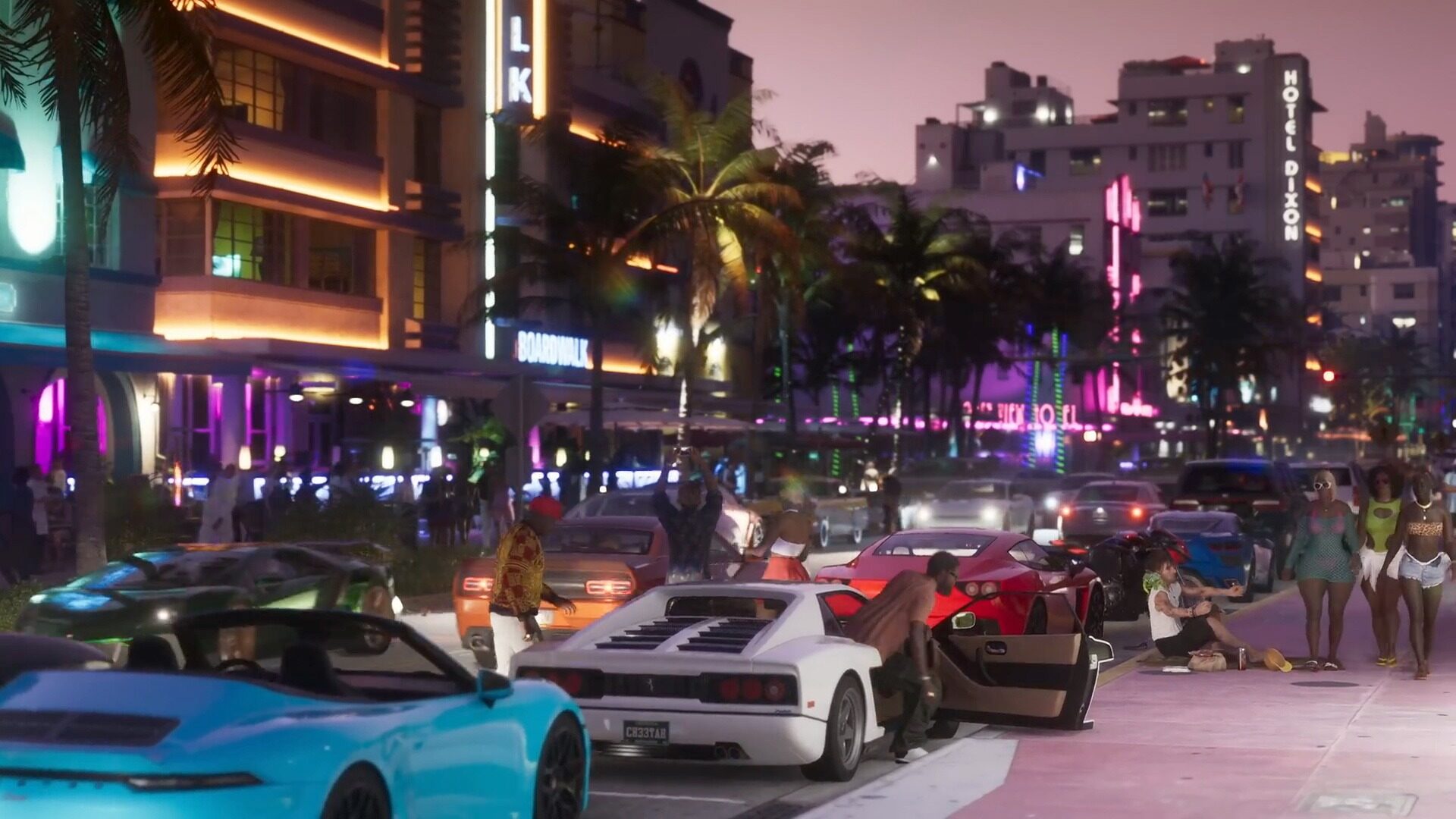
Grand Theft Auto VI dominates the conversation before it even ships. Rockstar confirmed the November 19 date after a delay, and the hype hasn’t cooled. Set in a fictionalized Florida, the game reintroduces Vice City with two protagonists, Lucia and Jason, navigating crime, ambition, and a saturated open world. Rockstar’s track record guarantees technical spectacle. The real question is whether the design evolves beyond GTA V’s template or refines it to exhaustion.
Resident Evil Requiem arrives February 27 with a new lead, Grace Ashcroft, investigating deaths at Raccoon City’s Wrenwood Hotel. Capcom’s RE Engine continues delivering atmospheric horror, and the ability to toggle between first- and third-person perspectives adds flexibility without compromising tension. The series has rebuilt its reputation through remakes and Village. Requiem needs to prove the core formula still has room to surprise.

Pearl Abyss launches Crimson Desert on March 19. This single-player open-world RPG has been in development for years, delayed from a 2021 window. Previews emphasize cinematic storytelling and combat variety. The March date puts it ahead of heavier competition, a strategic move that could work if the game delivers.
IO Interactive’s 007: First Light releases March 27. James Bond gets rebooted as a 26-year-old MI6 agent earning his 00 status. IO’s Hitman pedigree suggests tight stealth mechanics and player-driven solutions. The challenge is balancing Bond’s cinematic legacy with modern design sensibilities. Early trailers lean into espionage tension over gadget spam, which feels right.
Nioh 3 drops February 6. Team Ninja’s soulslike returns with refined combat and deeper Japanese mythology. The first two games built a devoted audience by rewarding technical mastery. Nioh 3 promises expanded weapon stances and new yokai encounters. It won’t convert skeptics, but fans of punishing action will find plenty to dissect.
Engagement patterns shift constantly. Players jump between massive RPGs, quick competitive matches, and lighter experiences that fit irregular schedules. Some gravitate toward the best sweepstake casinos for short-session entertainment that blends game mechanics with instant gratification loops. These platforms use familiar progression systems and reward structures borrowed from mainstream gaming, creating crossover appeal. Developers notice. The influence flows both ways as studios refine retention strategies and monetization models that keep players returning between major releases.
Indie Highlights & Broader Trends
Not every 2026 game chases blockbuster scale. Paralives enters early access on May 25, positioning itself as the life sim alternative the sim community demands. Smaller team, focused vision, and player-first design philosophy. If execution matches ambition, this could disrupt a stagnant genre.
Slay the Spire 2 expands the roguelike deckbuilder that defined the subgenre. The original proved that elegant simplicity beats feature creep. The sequel adds new mechanics without abandoning clarity. Indie success stories like this demonstrate that refinement often beats reinvention.
Trends emerge when you step back. Developers lean into genre hybrids, action-RPGs absorb roguelike elements, survival games integrate basebuilding depth, and shooters borrow card game progression. Cross-pollination creates freshness but risks diluting identity. The best games understand which mechanics serve their core loop and which distract.
Another shift: players demand technical stability at launch. Buggy releases get punished harder than ever. Studios delay more frequently, and publishers accept delayed revenue over reputational damage. 2026’s calendar reflects this caution. Games announce dates later. Marketing ramps up closer to ship dates. The endless hype cycle contracts.
Wildcards and Unannounced Projects
Marvel 1943: Rise of Hydra shifted to late 2026 after two delays. Amy Hennig’s return to narrative action carries weight, but Skydance New Media stays quiet on gameplay specifics. Captain America and Black Panther team up in Nazi-occupied Paris. The premise works. The execution remains theoretical.
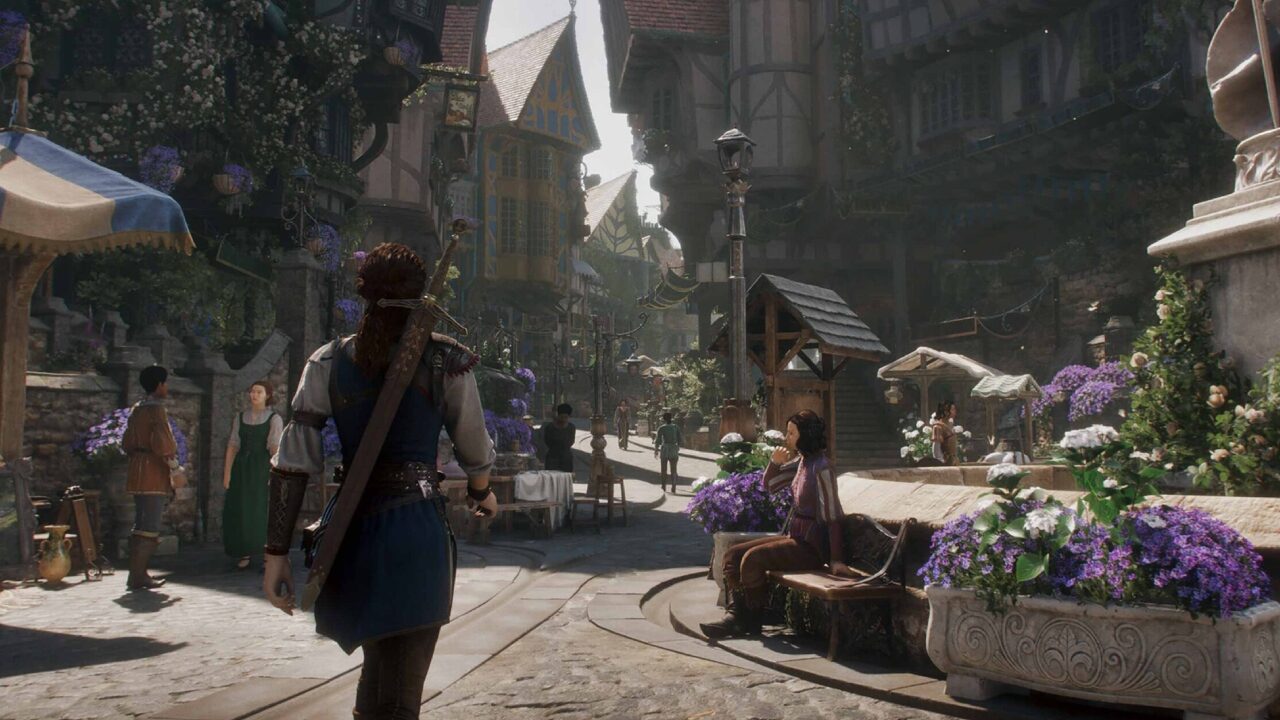
Microsoft’s Fable reboot remains undated but confirmed for 2026. Playground Games traded racing for fantasy RPG design, a bold pivot. Trailers showcase Albion’s humour and pastoral beauty, but gameplay details stay scarce. The franchise carries nostalgia, but nostalgia alone won’t carry sales.
Rumours persist about unannounced sequels. The industry thrives on speculation. Controlled leaks and carefully timed reveals sustain interest during quiet periods. Some studios weaponize silence, dropping cryptic trailers years before release and letting communities dissect every frame.
2026 doesn’t reinvent gaming, but it might perfect several things the medium’s been chasing. Open worlds grow more reactive. Horror games balance tension with player agency. Action-RPGs streamline without dumbing down.
The calendar offers variety. AAA blockbusters anchor the year, but indie surprises will define it retrospectively. November brings GTA VI, and the industry holds its breath. But between now and then, dozens of other games deserve attention. 2026 isn’t about one release. It’s about a medium confident enough to take risks, patient enough to delay when necessary, and ambitious enough to keep pushing forward.