
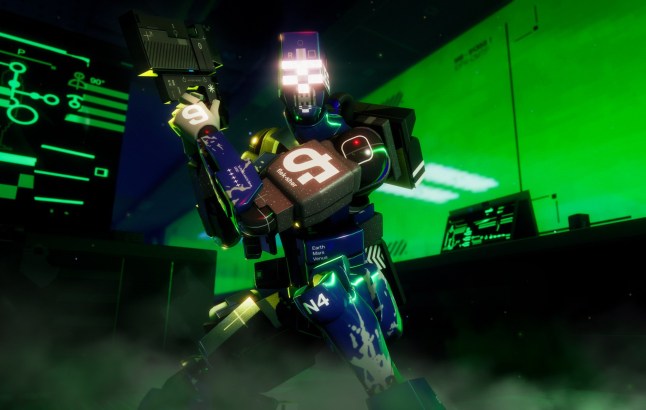


The creators of Halo and Destiny return with a compelling extraction shooter with triumphant highs, if you’re willing to navigate its peculiar quirks.
Ahead of launch, the odds were stacked against Marathon. There have been dramatic layoffs at developer Bungie, plagiarism controversies, lukewarm player tests, and, when combined with Sony’s graveyard of cancelled live service projects and the breakout success of Arc Raiders, an overriding sense that it was being sent out to bury itself next to Concord.
Miraculously then, through all the internal and external upheaval, it’s surprising how enjoyable Marathon actually is – once you’ve pushed through its idiosyncrasies. Our review-in-progress covered some of its unwelcoming qualities: the overproduced menus, steep learning curve, and poor tutorials. Some of this still stands – and we still lie awake at night wondering why health items labelled ‘depleted’ still carry small doses of recovery – but Marathon, supported by a bevy of smart progression systems, is difficult to shake off once you acclimatise to its design.
If we were intrigued but not sold on Marathon in our first impressions, Bungie has ironed out some of the wrinkles since the Server Slam beta. The AI robots, while still tough, have been toned down. Similarly, health and ammo drops are more plentiful in the first major area, Perimeter, and you’re given generous sponsored kits (the game’s equivalent of a free loadout) whenever you suffer a punishing loss.
It’s more approachable, but Marathon – largely to its benefit – is designed to be intimidating. Like other extraction shooters, you’ll have runs where you lose all your equipped gear because of a bad split-second decision, but unlike Arc Raiders where there’s a consistent tension during interactions with other players, Marathon leaves little breathing space for anything other than a gunfight. In fact, throughout all our runs, we only encountered a handful of people who explicitly asked us not to shoot, as we uneasily crept by one another with distrusting glances.
Despite the title, Marathon’s runs are short sprints. Like others within the extraction genre, you’re jumping into fairly large maps, whether in teams of three or solo, and trying to complete missions, while scrambling for resources you can sell, use to buy upgrades, or store in your vault for future runs. Once you’ve accumulated some wares, or if you’re running perilously close to the 25 minute time limit, you’ll need to find an ‘exfil’ station in order to escape with everything in your backpack.
Expert, exclusive gaming analysis
Sign up to the GameCentral newsletter for a unique take on the week in gaming, alongside the latest reviews and more. Delivered to your inbox every Saturday morning.
Between its competitive nature, the smart AI, and other hazards across the Tau Ceti system – like red fluorescent tick bugs which have a haunting scream to signal their proximity, deadly toxic plants, and scattered sentry turrets – death is constantly hanging over you. In fact, the oppressive atmosphere means the majority of your runs will result in your demise.

The learning curve – and where Marathon might struggle to connect with some players – is realising this is part of its design. Many contract missions, which you pick up via six different factions, can be completed without the need to escape the map successfully. Similarly, even if you die in a run, any datacards you find will top up your credits. If you’re in a dire situation with gear, you can also use the solo-only Rook class, which can temporarily disguise itself from enemy robots, to stock up on supplies for your next mission.
These cushions don’t lessen the impact when you lose a beloved rifle or valuable gear after being ambushed, but Marathon presents enough versatility in its options where you’re rarely disheartened enough to not dive back in. This is compounded by its generously stacked progression systems, where between faction skill trees, seasonal levels, codex challenges, and unlockable cosmetics, you always feel like you’re being rewarded – even if you’re caught in a spiral of being repeatedly gunned down.
When you are on a roll, Marathon is electric like few other shooters. The condensed extraction set-up is built for close scrapes, sneaky getaways, and unpredictable encounters – and while some runs might end abruptly the highs are worth the occasional humbling. We have countless stories of dashed dives to exfil stations; defying the odds by reviving teammates who had been eliminated on the other side of the map; dramatic stand-offs in the creepy, foggy foliage; and desperately trying to sneak around threats through vents while clinging to morsels of health.
Between squadding up and going solo, Marathon feels surprisingly different, tonally. In solo, it starts to resemble a survival horror game, with the lack of any supporting players accentuating the high stakes of the intimidating environment. Some people might gel with this slower, tense pace, but we enjoyed the camaraderie of team-play more, where firefights are slightly less cut-throat. It helps that you’re encouraged to help each other complete contracts in teams through shared XP, so the rewards are higher if you take a collaborative approach.
Marathon is smartly layered with reasons to keep you invested, both mechanically and in its progression, but none of it would work if the gunplay didn’t sing. At this point, It’s almost boring to compliment Bungie on what the studio has built its name on through Halo and Destiny, but it shouldn’t be understated how finely tuned, and punchy, the fizzing head pops and chunky sci-fi weapons are. Marathon’s mobility feels distinctive in comparison to those games too, with the movement being less floaty to compliment the more suffocating maps.
The other unsung element is the audio design. The sharp mechanical siren of an alerted robot will reverberate into our nightmares for the rest of the year, but other creatures and faction leaders (shout out to the icky Nona worm) are elevated by their atmospheric sonics. It helps make up for the inconsistent visual design at times, which veers from brilliant when you’re in matches or watching the dazzling smorgasbord cut scenes, to overly busy when navigating the interface.

Despite all of Marathon’s strengths, there’s a sense Bungie is figuring out some elements. The endgame map, Cryo Archive, is a superbly designed vision of the game’s potential future – a labyrinth of chilling corridors and interlocking passageways wrapped into a raid-like puzzle box of escalating security clearance levels and hidden vaults.
It’s the best map by some distance, but between its steep barrier for entry and Bungie’s odd decision to lock it to specific weekend windows, anyone who isn’t willing to invest hours into levelling up, or isn’t a full-time streamer on the side, will have a long climb to actually try out its glories.
This wouldn’t be too much of an issue in isolation, but Bungie has confirmed your gear, contract progression, and player level will reset after every three month season. In other words, Bungie expects you to really commit to Marathon consistently to see the best of what it has to offer – to a degree which will likely be impossible for many. It remains to be seen how this will pan out in reality, and this short seasonal cycle might be a refreshing jolt if it constantly adds new maps and contracts, but it’s a lingering, unanswered concern at this stage.
Based on what’s presented now though, Marathon is a dense, dynamic and unexpectedly invigorating shooter in the modern live service space. Perhaps to Sony’s dismay, this isn’t a vapid, all-pleasing experience which will attract the general masses, but a thorny, hardcore niche dolled up with stylish verve. Will it last? That feels beyond anyone’s knowledge at this stage, but for our firmly converted sakes, we sure hope it does.
Marathon review summary
In Short: A tough, flashy, and surprisingly versatile extraction shooter which houses a magnetic loop of death and loot beneath its occasionally obtuse idiosyncrasies.
Pros: Excellent gunplay. as you’d expect from the makers of Halo and Destiny. Visually distinctive, with stunning audio design. Mechanically rich, with lots of customisation, runner shells, and tools to experiment with. Cryo Archive map is brilliant in its complexity. Progression systems complement the extraction loop well.
Cons: There is a pretty steep learning curve with lacklustre tutorials. Some contract missions are tedious in design. Strange choice to limit Cryo Archive access to only weekends.
Score: 8/10
Formats: PlayStation 5 (reviewed), Xbox Series X/S, and PC
Price: £34.99
Publisher: Bungie
Developer: Bungie
Release Date: 5th March 2026
Age Rating: 16

Email gamecentral@metro.co.uk, leave a comment below, follow us on Twitter.
To submit Inbox letters and Reader’s Features more easily, without the need to send an email, just use our Submit Stuff page here.
For more stories like this, check our Gaming page.


This sounds like an exciting review! It’s always intriguing to see what the creators of iconic games like Halo and Destiny bring to the table. Looking forward to hearing more about the experience and gameplay!