


Another day, another round of bad news regarding the ongoing RAM shortage and rising PC hardware prices. TrendForce reports that the NAND flash wafer supply is getting worse, which will directly impact SSD prices, and it already has.
How long will it take for those price changes to trickle down to the consumer market? And how long will it take for RAM prices to improve? Today’s brought us a few interesting findings, so let’s dig in.
Starting with the NAND flash prices, TrendForce reports that the demand for NAND flash used in SSDs is strong. To the surprise of no one, that demand is largely fueled by large enterprises (thank you, AI), meaning that’s where the manufacturers currently have their focus.
The massive demand has led to a short supply, which then led to a price increase in November. The monthly average prices for wafers rose from 20% to 60%. Triple-level cell (TLC) memory was the most impacted. This type of NAND flash stores three bits of data per memory cell. Quad-level cell (QLC) NAND flash is also in high demand and short supply.

RAM is suffering from the same problems as SSDs, but on a larger scale. Even some of the best Cyber Monday deals aren’t helping these outrageous RAM prices that we’re dealing with currently. Reports show it might only get worse from here as far as that’s concerned.
Our first source is SEDaily, which talks about Samsung’s Semiconductor Division (DS), which is said to have rejected a request for DRAM from its own Mobile Experience (MX) division. Samsung’s mobile sector managed to secure memory on a quarterly basis, meaning it’ll have to re-negotiate the terms of the contract every three months instead of longer commitments.
Odd, isn’t it? It all comes down to the cost of RAM and profitability, and unfortunately for us PC gamers, the profit lies in high-bandwidth memory (HBM) and AI.
To that end, Micron is investing a boatload of cash into producing AI memory chips in Japan. The memory giant is said to be investing $9.6 billion into building a production facility in Japan, focused on next-gen HBM chips.
With all these different companies going all-in on enterprise memory, it’s hard not to wonder what’ll happen to the consumer market. RAM is already up to 300% more expensive than it was a few months ago, and those NAND flash shortages are likely to affect SSD prices, too.
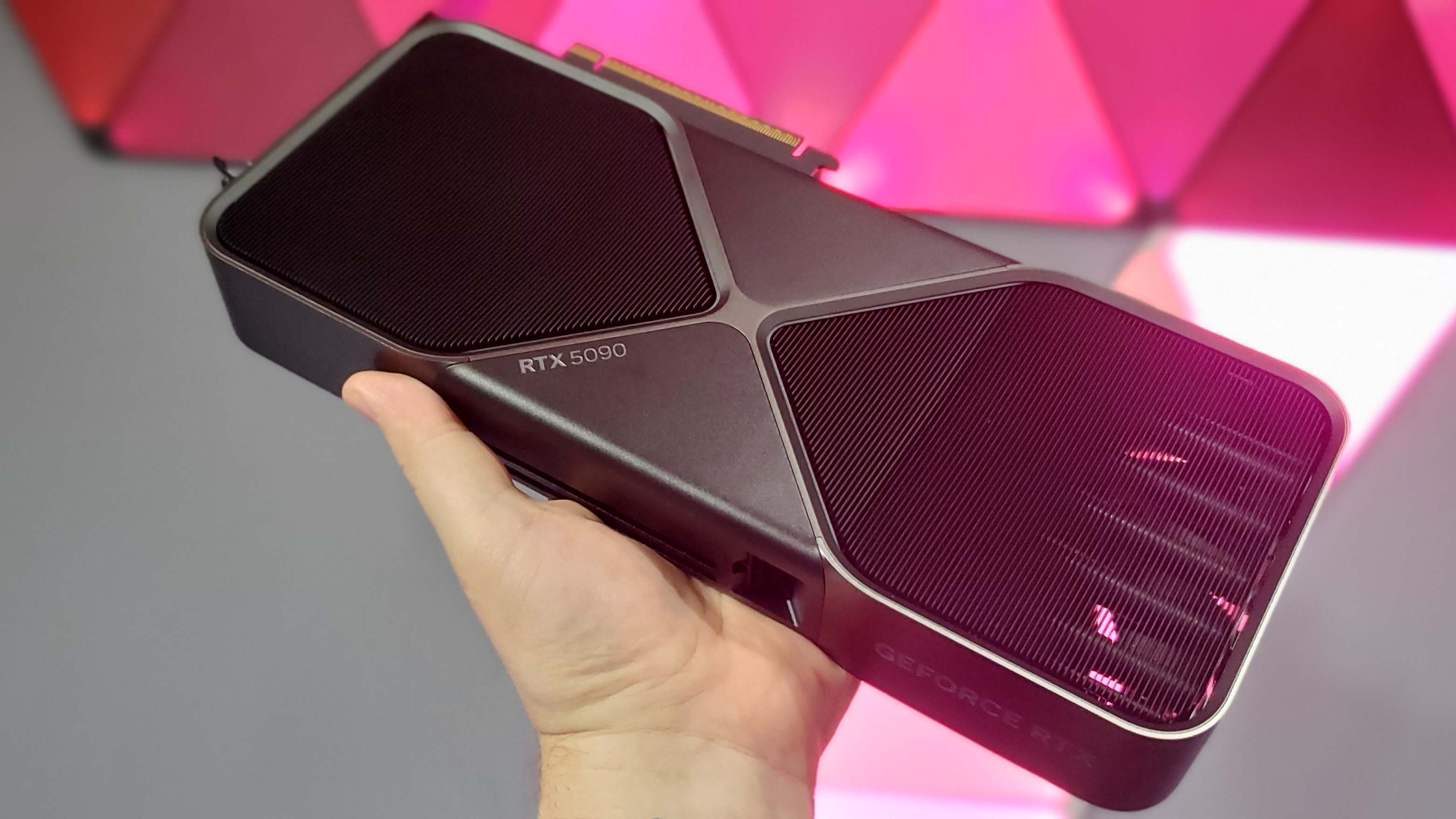
Meanwhile, Nvidia is said to no longer be bundling VRAM with GPU dies when selling to its board partners, leaving them to find their own deals on memory. Keep in mind that all of that memory comes from the same source—if there isn’t enough DRAM for PCs, there likely won’t be enough VRAM produced for GPUs, too.
The PC gaming market is just going from one shortage to the next, and it looks like this one will last for a while yet.

It’s always tough to hear about rising costs in the tech world, especially with RAM and SSDs. These trends can really impact budgets for many of us. Hopefully, there will be some positive developments soon!
trends can really impact our budgets. It’s interesting to note how these shortages may also push more users toward cloud solutions and alternative storage options, which could shift the market dynamics even further.