



James Bond villains are often remembered as vividly as James Bond himself. The most effective adversaries combine a clear ideology, genuine personal menace and cultural relevance, qualities that elevate each film beyond spectacle and give it lasting impact.
Across more than six decades of films, the James Bond franchise has built its reputation not only on espionage and style, but also on the strength of its antagonists. The most memorable villains do more than threaten global catastrophe. They challenge Bond’s values, expose his weaknesses or embody the fears of the era in which they were created.
As the series has evolved, so too have its villains, shifting from flamboyant masterminds to more psychologically grounded adversaries. Ranking them is less about measuring levels of evil and more about understanding which characters left the deepest impression on audiences, and why they continue to resonate today.

The Classic Masterminds Who Defined the Franchise
Early Bond villains established a blueprint that would influence cinema for decades. Characters such as Goldfinger are iconic because they distilled clear motivations into unforgettable personalities. Goldfinger’s obsession with wealth and control reflected postwar anxieties around power and excess. His calm demeanour contrasted sharply with the scale of his ambition, making him both believable and terrifying.
Another defining figure is Ernst Stavro Blofeld, whose influence stretches across multiple films. Blofeld’s anonymity and control over vast criminal networks made him less a man and more a concept. He embodied hidden authority, secret systems, and the idea that true power often operates out of sight. In an era shaped by espionage and geopolitical tension, Blofeld became the perfect enemy for a spy who thrived in the shadows.
These villains worked because they were immediately recognizable and thematically clear. Their schemes were extravagant, but their motivations were simple, making them accessible to audiences while still feeling dangerous on a global scale.
Grounded Villains and the Shift Toward Realism
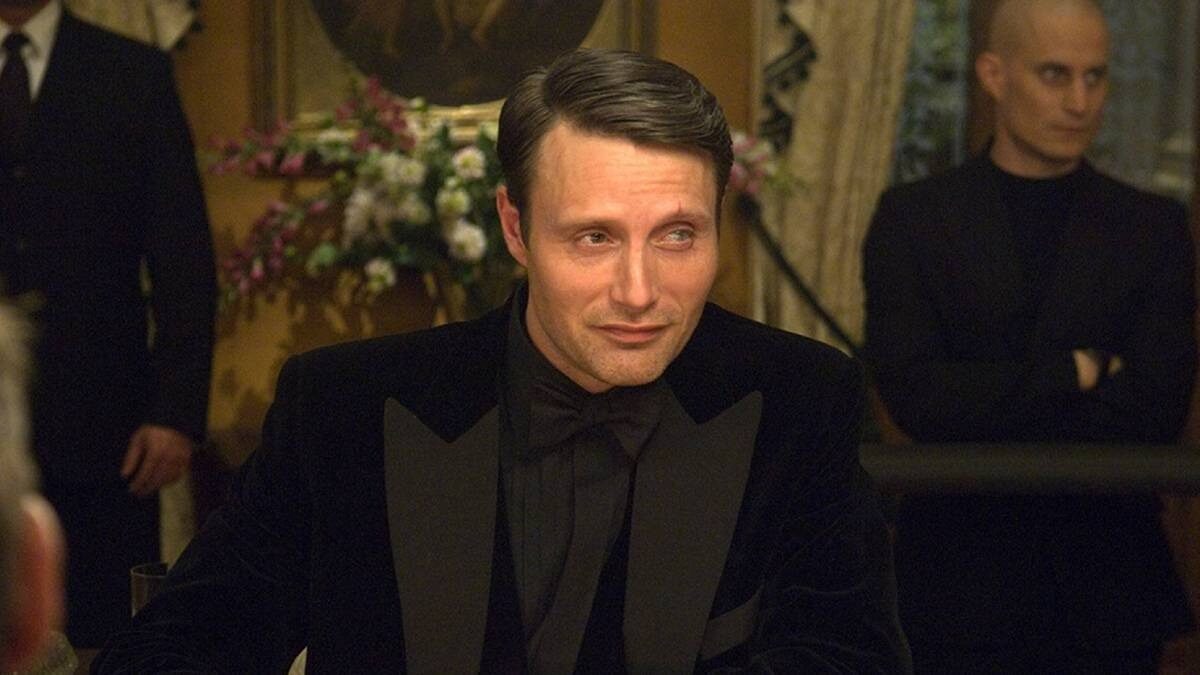
With the reboot era, Bond villains became more grounded, pragmatic, and emotionally complex. Le Chiffre from Casino Royale marked a turning point for the franchise. Rather than seeking world domination, Le Chiffre was motivated by financial survival. His role as a banker to criminals tied Bond’s mission to the mechanics of modern power, money, and risk.
Le Chiffre’s menace came from his vulnerability as much as his cruelty. He was desperate, calculating, and aware that failure meant death. This grounded approach made his poker duel with Bond more than a game of cards. It became a battle of nerve, intelligence, and psychological endurance. The focus on finance and probability also mirrored real-world anxieties following global economic instability, making the conflict feel contemporary and plausible.
This era also aligns with how modern audiences engage with gambling culture, where the fantasy of high stakes exists alongside accessible experiences like Free to Play Casino Games, which capture the thrill without real world risk. By framing the villain around money rather than spectacle, Casino Royale made Bond’s world feel closer to reality than ever before.
Villains Who Turned the Fight Personal

Some of the most memorable Bond villains endure because their conflict with 007 is deeply personal. Alec Trevelyan stands out as a former ally whose betrayal forced Bond to confront the moral cost of his profession. Their shared past transformed their rivalry into a reflection on loyalty and abandonment within intelligence services.
This psychological angle was pushed even further with Raoul Silva, who attacked Bond emotionally rather than physically. Silva’s resentment toward the system that discarded him made him a distorted reflection of what Bond himself could become. His unpredictability and theatricality masked a deeply personal vendetta, turning the story into a character study rather than a traditional hero versus villain narrative.
These villains resonate because they strip away Bond’s invulnerability. They understand him, challenge him, and force him to question his role in a system that creates enemies as easily as it eliminates them. This shift toward internal conflict is a major reason modern Bond villains remain so compelling and relevant.


Great post! It’s fascinating how the villains in the James Bond series have played such a crucial role in shaping the narrative and overall appeal of the films. They definitely add depth and excitement to the stories.
Thank you! It really is interesting how the villains not only challenge Bond but also reflect the societal fears of their times. Each antagonist often symbolizes a particular threat, adding depth to the storyline and making the series more relevant with each new film.
Thank you for your thoughts! It’s fascinating to see how the villains often embody contemporary fears or societal issues, making them more than just obstacles for Bond. Their complexity adds depth to the series and keeps it relevant through the years.
You’re absolutely right! The villains do reflect societal anxieties, making them timeless in their relevance. It’s interesting how their motivations also evolve with each film, showcasing not just personal vendettas but broader themes like power and control.
I agree! It’s interesting how each villain not only embodies the fears of their time but also often complements Bond’s character development. Their unique traits challenge him in ways that reveal different facets of his personality.
Absolutely! The way villains reflect societal anxieties really adds depth to the series. Plus, their unique motivations often create a compelling contrast to Bond’s character, making the stories even more engaging.