
When I first saw the announcement for Monster Hunter Stories 3: Twisted Reflection, I’ll admit I was a little disappointed. Not because I dislike Monster Hunter Stories as a series, far from it, but seeing it during the July 2025 Nintendo Direct: Partner Showcase got me excited for the first Monster Hunter entry on the Nintendo Switch 2, and I was initially excited for a more traditional monster-hunting experience—especially after the high bar Monster Hunter Rise had set.
My love for the Monster Hunter series is pretty well documented on this site, so I’ll never turn down an opportunity try a new entry in the series. Getting a hands-on preview of Monster Hunter Stories 3: Twisted Reflection certainly eliminated any immediate chagrin I had towards seeing the side-series over the mainline land on the Nintendo Switch 2. True to the spirit of Nintendo’s bolstered Switch successor, this game is bigger and bolder while still feeling familiar.
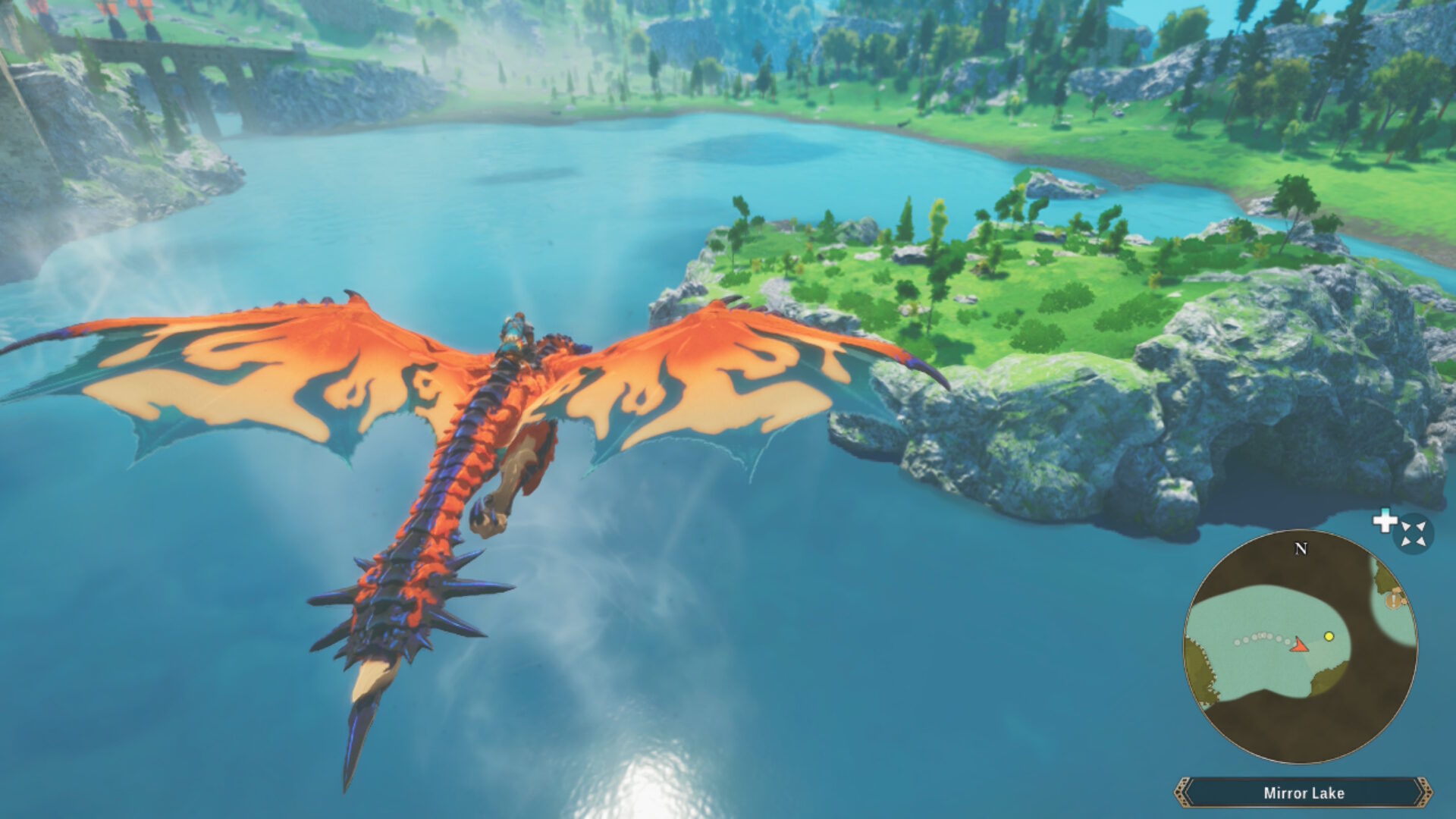
What captivated me right away was the story in Monster Hunter 3: Twisted Reflection. While both previous entries in the series have had fate-of-the-world stakes, they were always contrasted with a sense of light-hearted fun, due in large part to the protagonist skewing younger. But this game begins not only with the fate of the world clearly laid out, but also with some political intrigue established.
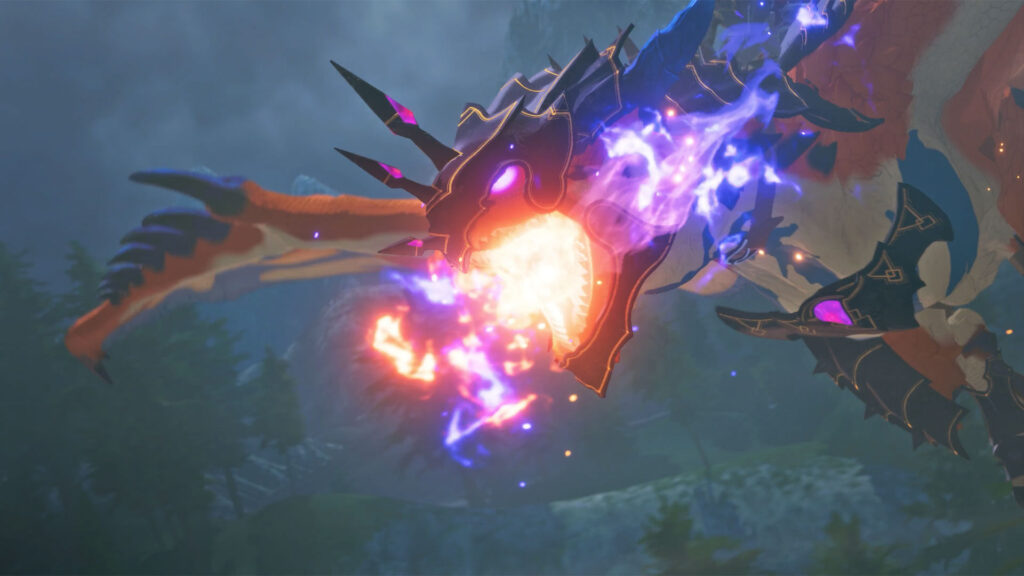
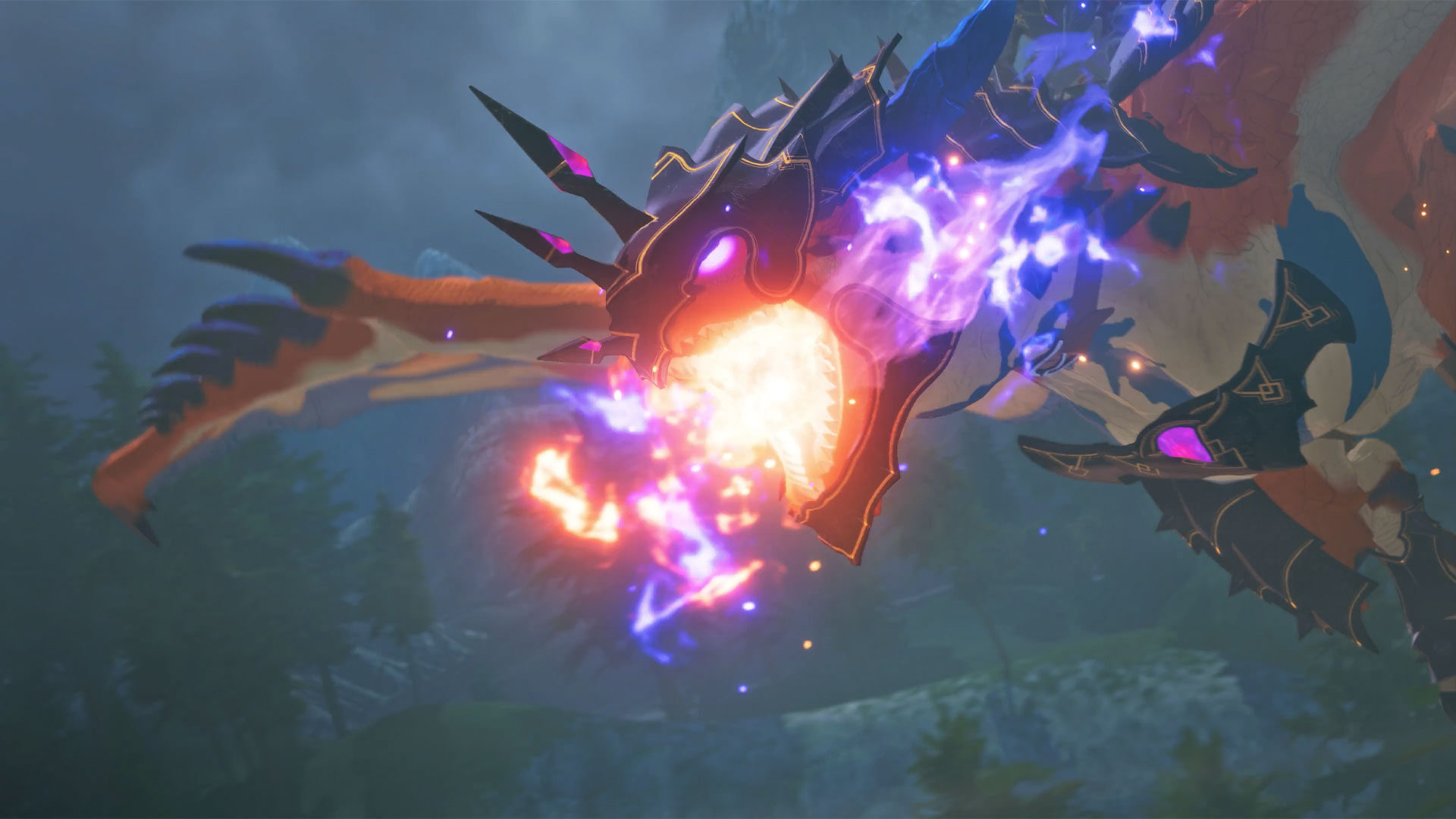
Players take on the role of the Prince of the kingdom of Azuria, which experienced an ill omen many years prior when a unique Rathalos egg hatched twins bearing the Skyscale marking. A seer advises the king and queen that for disaster to be avoided, one of the Rathalos hatchlings must be sacrificed. Fast-forward to the present: the player is told that the Queen has abandoned the kingdom and returned to her homeland of Vermeil, which was once at war with Azuria, and trouble seems to be brewing once again on the borders.
It immediately gave me Final Fantasy vibes, with its more grounded, nuanced storytelling, rooted in a series that has always had some degree of silliness. In a lot of ways, Monster Hunter Stories 3: Twisted Reflection feels a lot similar to Final Fantasy insofar as every story is different, but it maintains a special Rathalos and an uncommon Palico to guide the player.
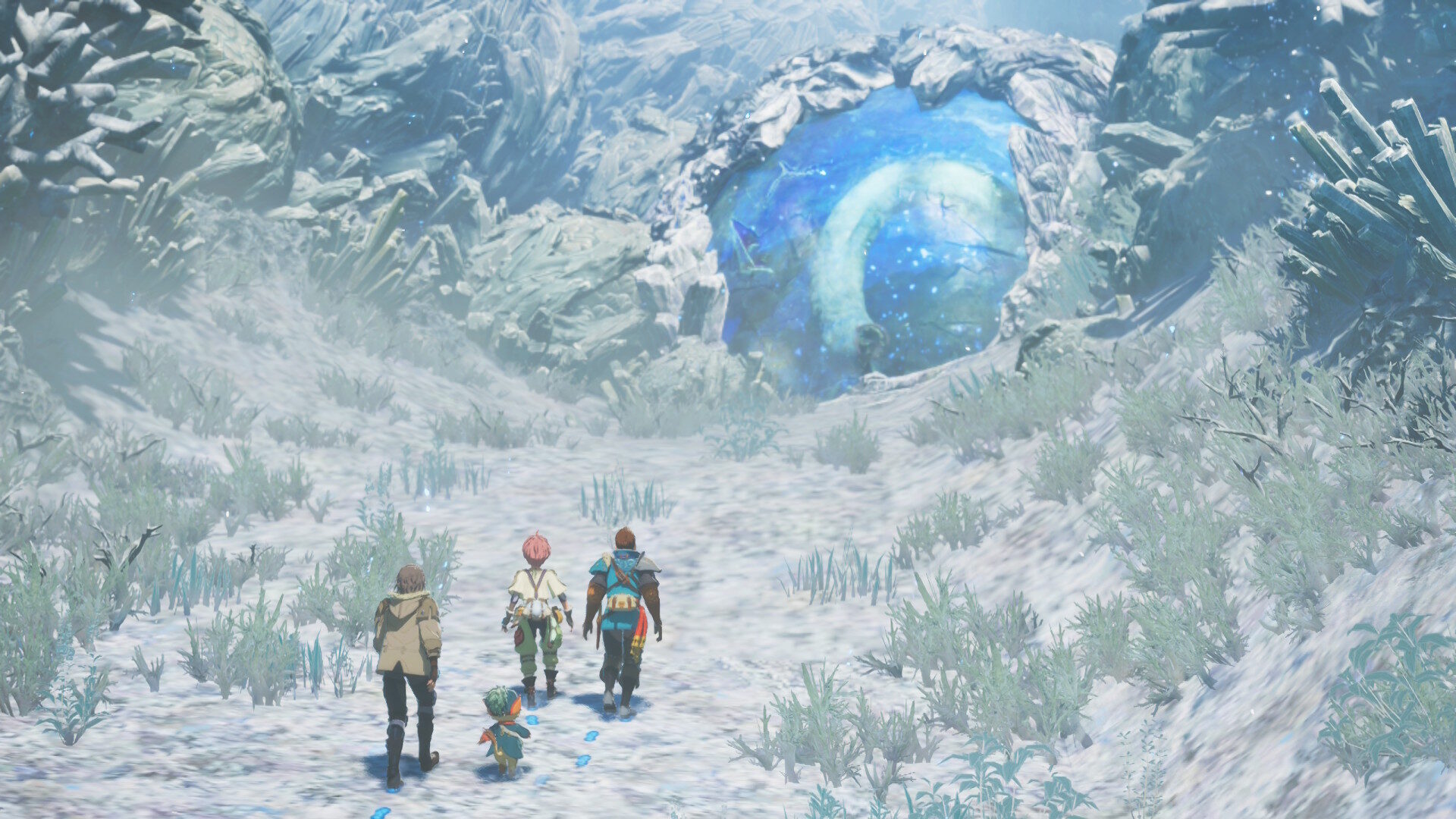
And the game doesn’t waste any time getting the player into the action, while still separating them from their previous associations. The protagonist, while Prince of Azuria, is also a part of an elite group of Riders known as Rangers. While performing the duties of most Riders, their job is also to survey the land and research a unique phenomenon known as “Egg Quartz,” which has preserved many monsters now on the brink of extinction.
“Monster Hunter Stories 3: Twisted Reflection wants to be bigger, more considerate and much more RPG-focused than its predecessors.”
It sets a different tone from previous Monster Hunter Stories games, where the tutorial mission essentially had the player complete their Rites as a Rider; here, the player is already an established Rider guiding a newbie through their Rite and teaching them—and, by extension, the player—the basics. But alongside the player is a cast of capable, ready characters that make the world and story of Monster Hunter Stories 3: Twisted Reflection feel so much more lived-in and established.
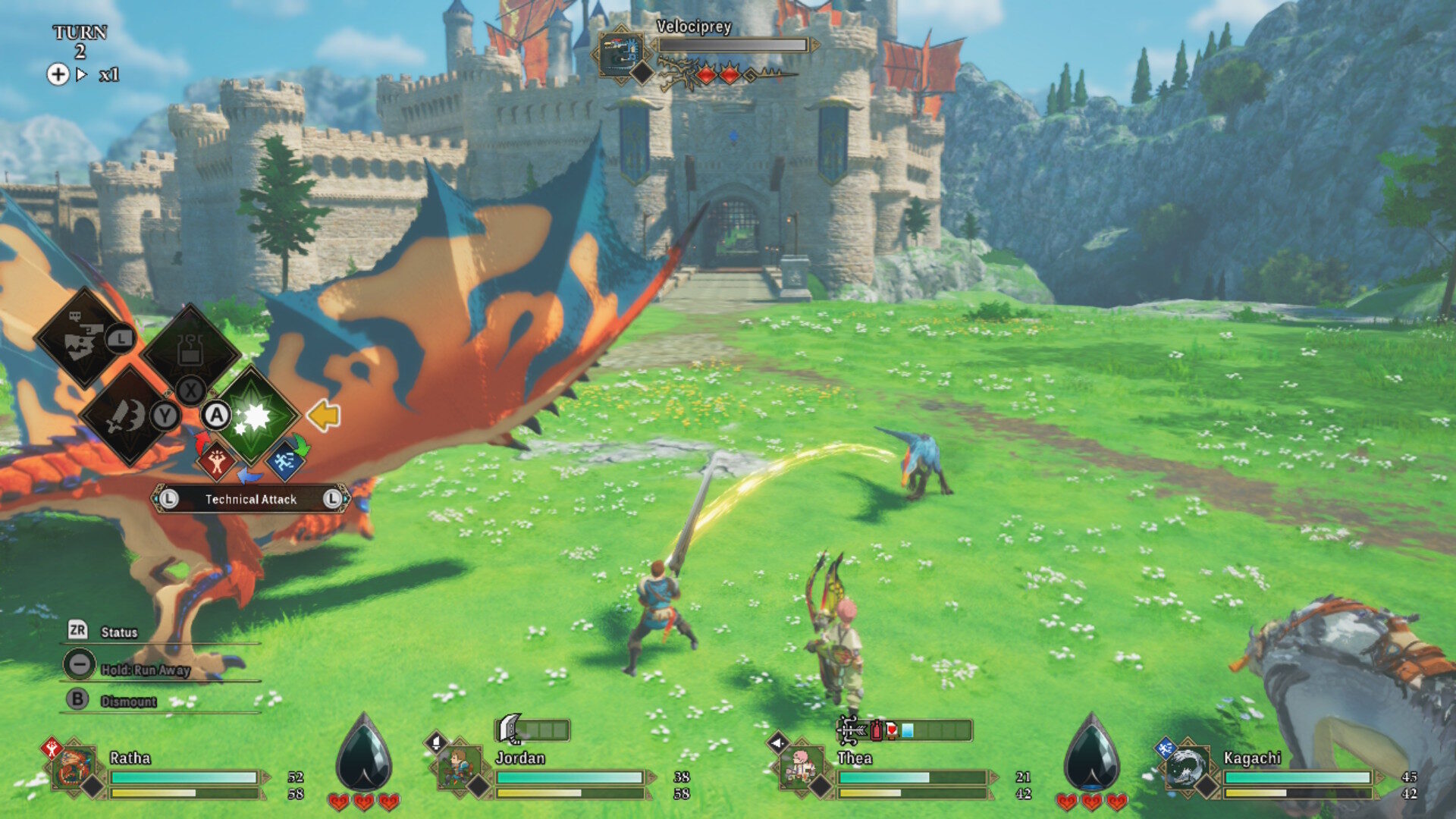
This extends to gameplay that maintains the series’ familiar exploration, Monstie hatching, and dispatching of out-of-control monsters, but expands it to feel bigger, more accessible, and more exciting. Right from the get-go, players are given not only the plot-critical Rathalos as a Monstie, but two others for some basic exploration. Within combat, the fundamentals remain the same, but attack animations and special move cutscenes are much more animated and dynamic.
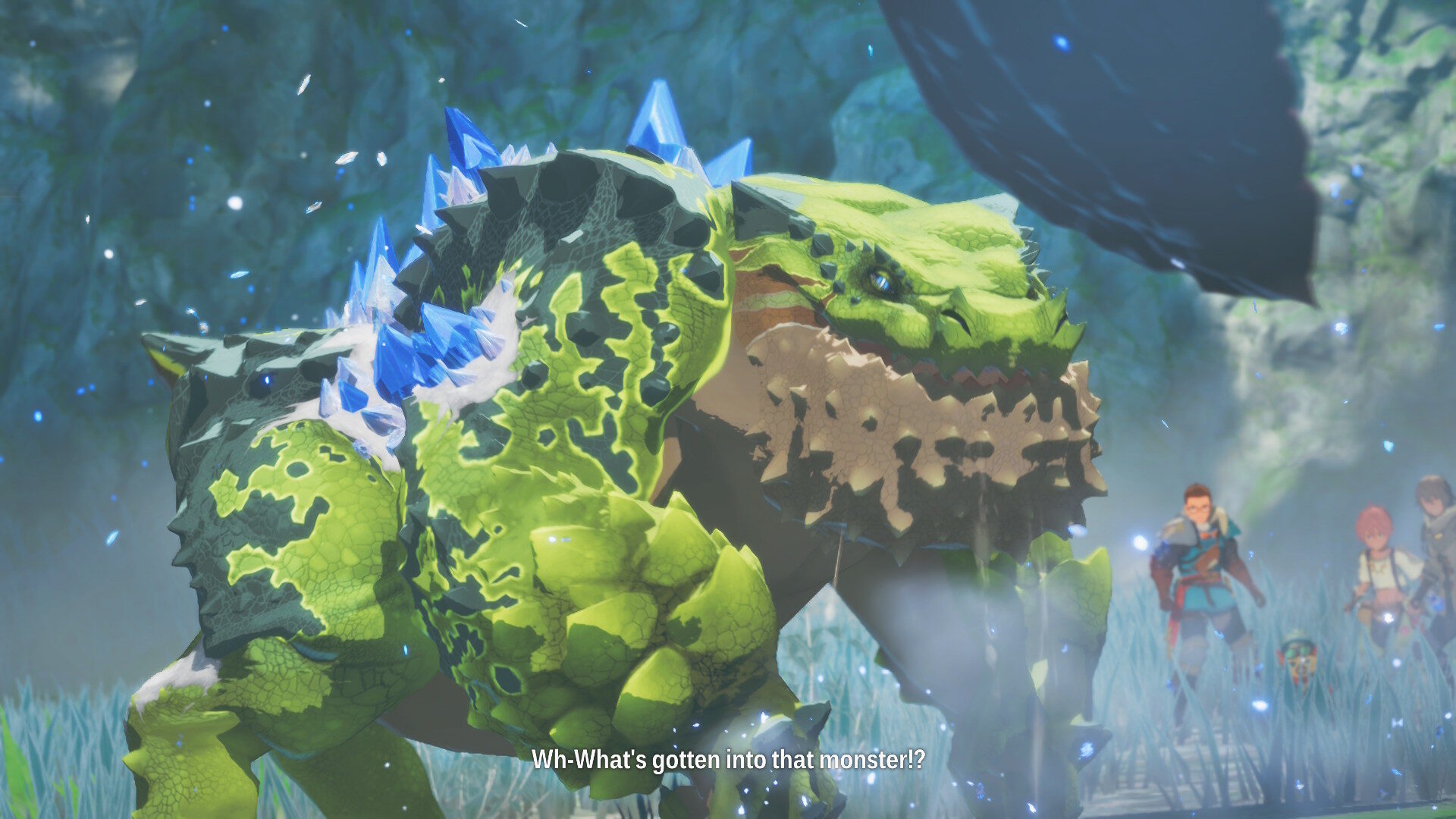
And despite maintaining its iconic combat design of a turn-based RPG with a semi-rock-paper-scissors tactical approach, Monster Hunter Stories 3: Twisted Reflection almost immediately introduces more depth and nuance to its proceedings. Early on, my party faced a Blighted Chatacabra, capable of using electric moves outside its natural genealogy because of the Blight crystals on its back.
When attacking the crystals, the Chatacabra would immediately counter-attack with a paralysis-based move. During the fight, however, it would coat its arms in dirt, increasing its attack but removing its ability to counterattack. We were presented with a multitude of options. Do we focus on breaking the crystal during the window, while enduring harder hits? Do we go for its arms, which are a more immediate target and possibly easier to break in the moment?
It signalled to me that, even as familiar as the combat is by the third entry in the series, Monster Hunter Stories 3: Twisted Reflection wants to be bigger, more considerate and much more RPG-focused than its predecessors. It’s not trying to be unapproachable for newcomers, but it adds enough for long-time fans to stay invested without feeling too formulaic.
While my time with Monster Hunter Stories 3: Twisted Reflection was brief, it certainly left an impression on me. It’s taking bold new steps into more interesting and, dare I say, mature storytelling that genuinely feels like it’s establishing itself as a series related to Monster Hunter, but distinctly different.
Monster Hunter Stories 3: Twisted Reflection releases on March 13th, 2026, for Nintendo Switch 2, PC (Microsoft Windows), PlayStation 5, and Xbox Series X|S.