
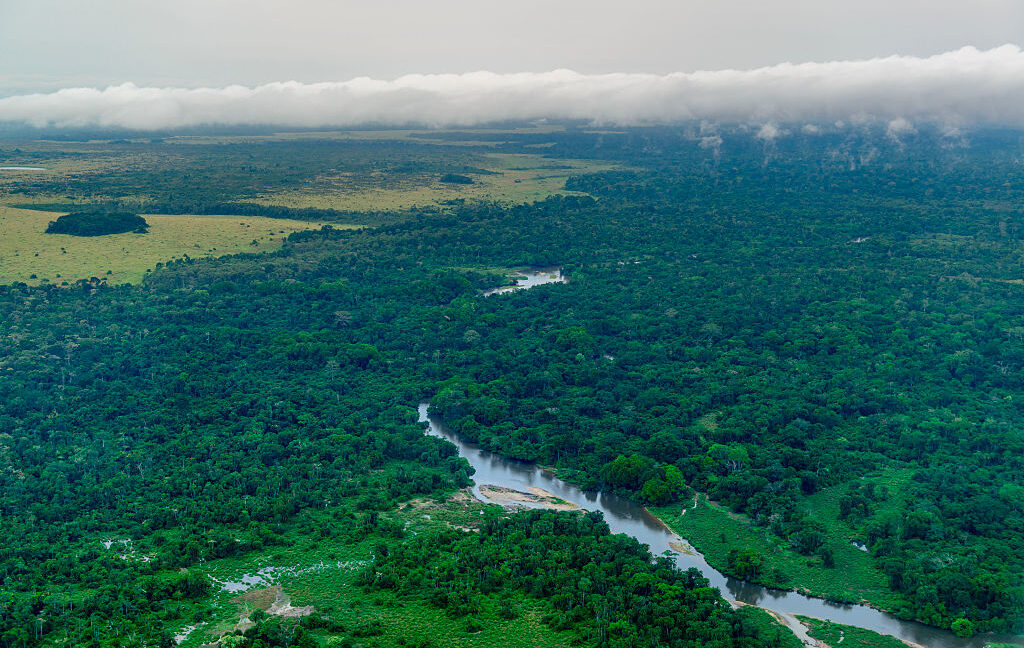

In the spring of 2020, as the COVID-19 pandemic brought global industry and travel nearly to a halt, satellite sensors recorded a dramatic plunge in nitrogen dioxide, a byproduct of internal combustion engines and heavy industry. For a moment, the world’s air was cleaner than it had been in decades.
But then something strange started happening: methane, the second most important anthropogenic greenhouse gas after carbon dioxide, was surging. Its growth rate hit 16.2 parts per billion that year, the highest since systematic records began in the early 1980s. A new study published in the journal Science looked at the complex chemistry of the troposphere (the lowest region of the atmosphere) and found that the two changes are likely connected.
An atmospheric cleaner
Since the late 1960s, we knew that atmospheric methane doesn’t just vanish. It is actively scrubbed from the sky by the hydroxyl radical, a highly reactive molecule that breaks down methane, turning it into water vapor and carbon dioxide. “The problem is that the lifetime of the hydroxyl radical is very short—its lifespan is less than a second” says Shushi Peng, a professor at Peking University, China, and a co-author of the study. To do its job as an atmospheric methane clearing agent, a hydroxyl radical must be constantly replenished through a series of chemical reactions triggered by sunlight. The key ingredients in these reactions are nitrogen oxides, the very pollutants that were drastically reduced when cars stayed in garages and factories went dark in 2020.