
When I first saw Aphelion revealed during the 2025 Xbox Games Showcase, I was initially surprised by it, due in no small part to the name behind it. That kind of third-person action game, not dissimilar to Uncharted, could have been made by any studio, honestly, but DON’T NOD made a name for themselves with slower, more thoughtful games centred around player choice.
It was fortunate then that CGM got both a virtual and hands-on preview of Aphelion in order to get a better understanding of what the game is doing. Executive Producer at both DON’T NOD and on Aphelion, Dimitri Weideli and Creative Director Florent Guillaume, who gave us a pretty in-depth breakdown of what to expect in the game.
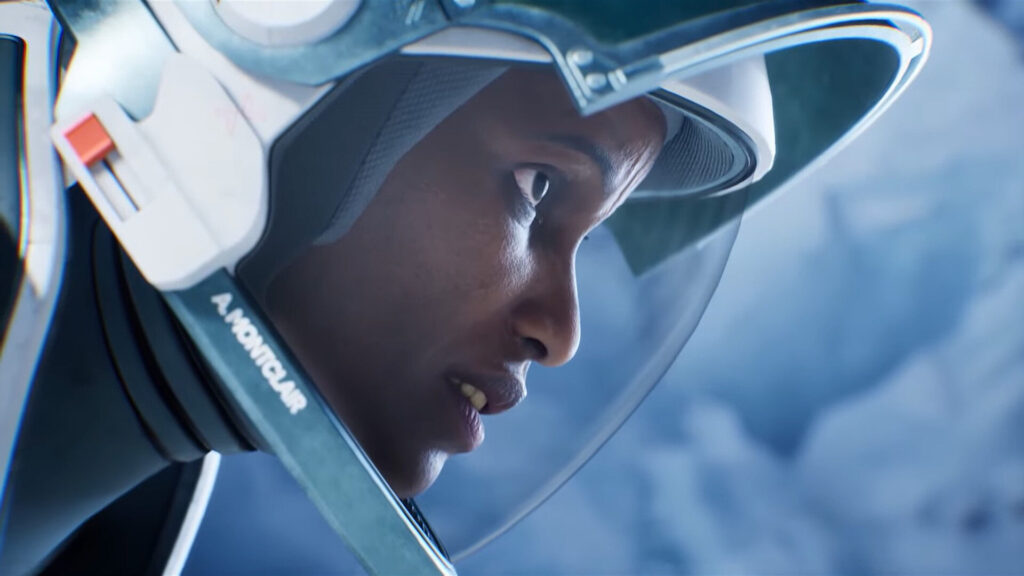
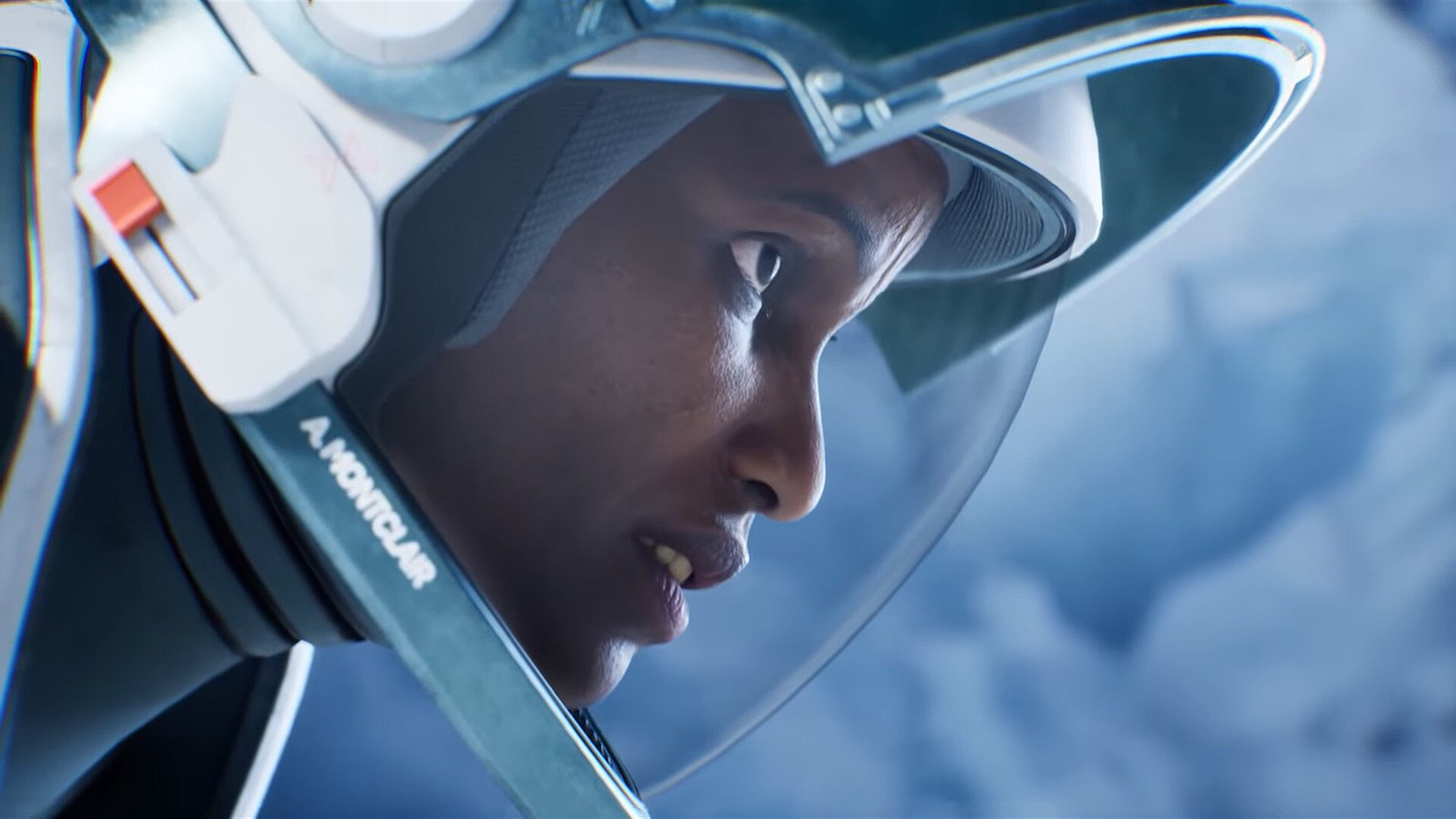
Aphelion is a narratively driven sci-fi adventure set on a hostile planet called Persephone. It follows the story of two astronauts: Arianne Moncler and Thomas Cross, who crash their ship and are separated. And as was demonstrated in the demo, players have limited information and are just thrown right into the game.
“We wanted to start directly into action because we wanted the players to feel for our characters, to feel in their shoes and to feel the urgency of Arianne’s situation,” said Guillaume, adding, “And also we wanted for the characters, for the players, sorry, to learn the basics of the game and the controls.” It was something I noticed in the demo that, even for an action game, DON’T NOD was still flexing its creative muscles.
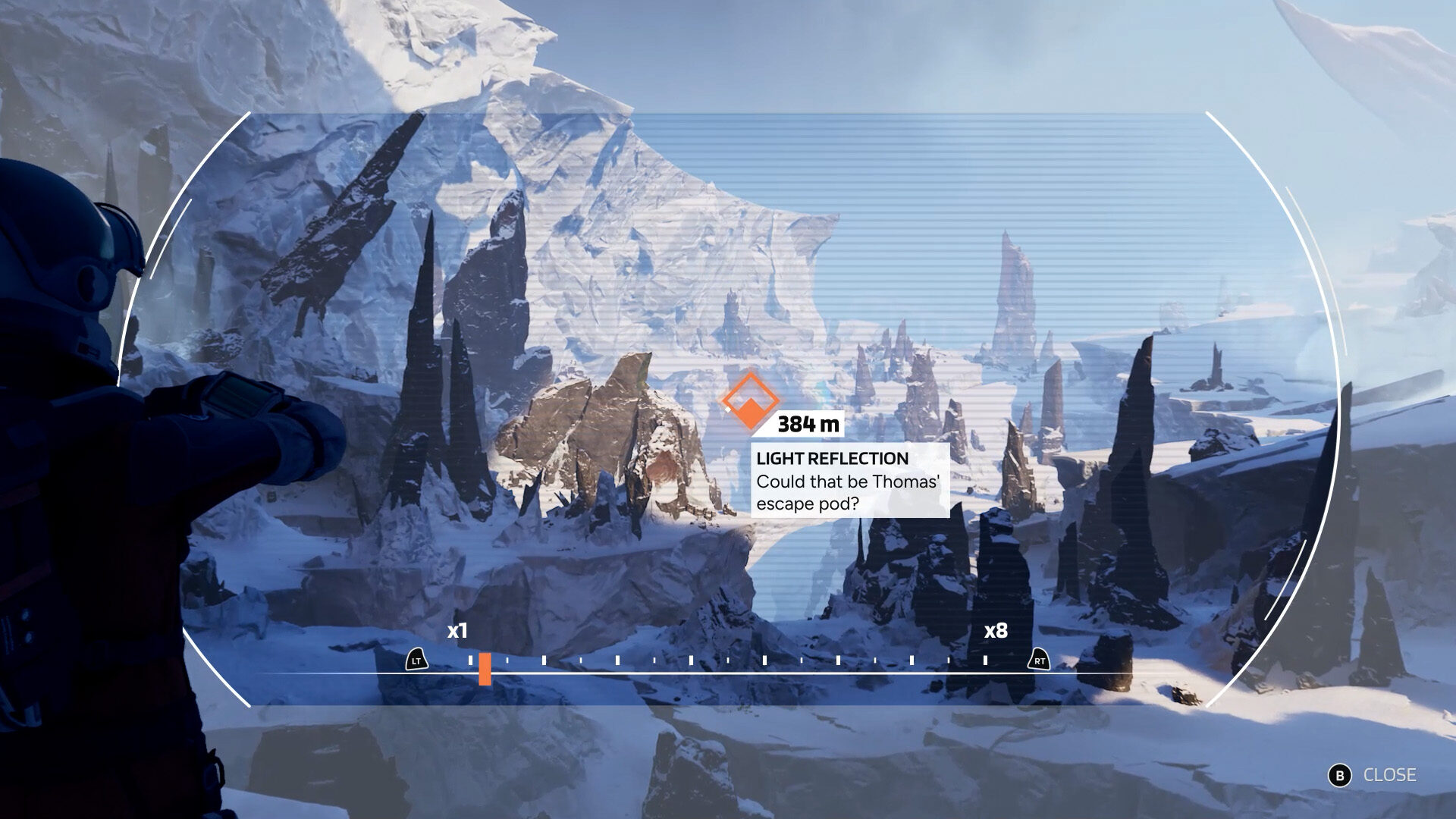
The game doesn’t belabour the player with excess tutorials or pop-up windows. It throws them straight into the fire and hopes they can learn and adapt on their feet. It’s not too hard as to be unapproachable, but it’s intense enough that players get a good sense of the immediate danger these characters are in. Once players understand the controls and potential hazards, moving through the world is pretty seamless and engaging—defined as these games are by large set-pieces and interesting geography.

One of the more interesting mechanics in Aphelion’s character movement is the inclusion of manual ledge grabbing. It was something I hadn’t experienced in a game since the early days of Tomb Raider, adding an extra layer of complication to the otherwise straightforward climbing. As Guillaume explains, “That’s something we added to the game because we wanted to really give agency to the player and to give that little extra risk in the climbing system.”
And Guillaume added that work on the studio’s previous game, Jusant, did help influence the mechanics of climbing in Aphelion—as the two games shared similar development teams—Jusant was much more technical with its climbing, whereas they wanted Aphelion to be a little more straightforward to better fit the narratively driven structure.
“What I liked most about the Aphelion demo was how balanced it feels with its gameplay…”
However, it’s not all platforming across a harsh world. The second part of the demo introduced the main threat that exists on planet Persephone—a creature called the Nemesis. This is where careful movement and stealth play a big role in Aphelion, as the Nemesis cannot see through traditional eyes, but can detect movement, so players need to be extremely careful and plan effectively when traversing these segments.
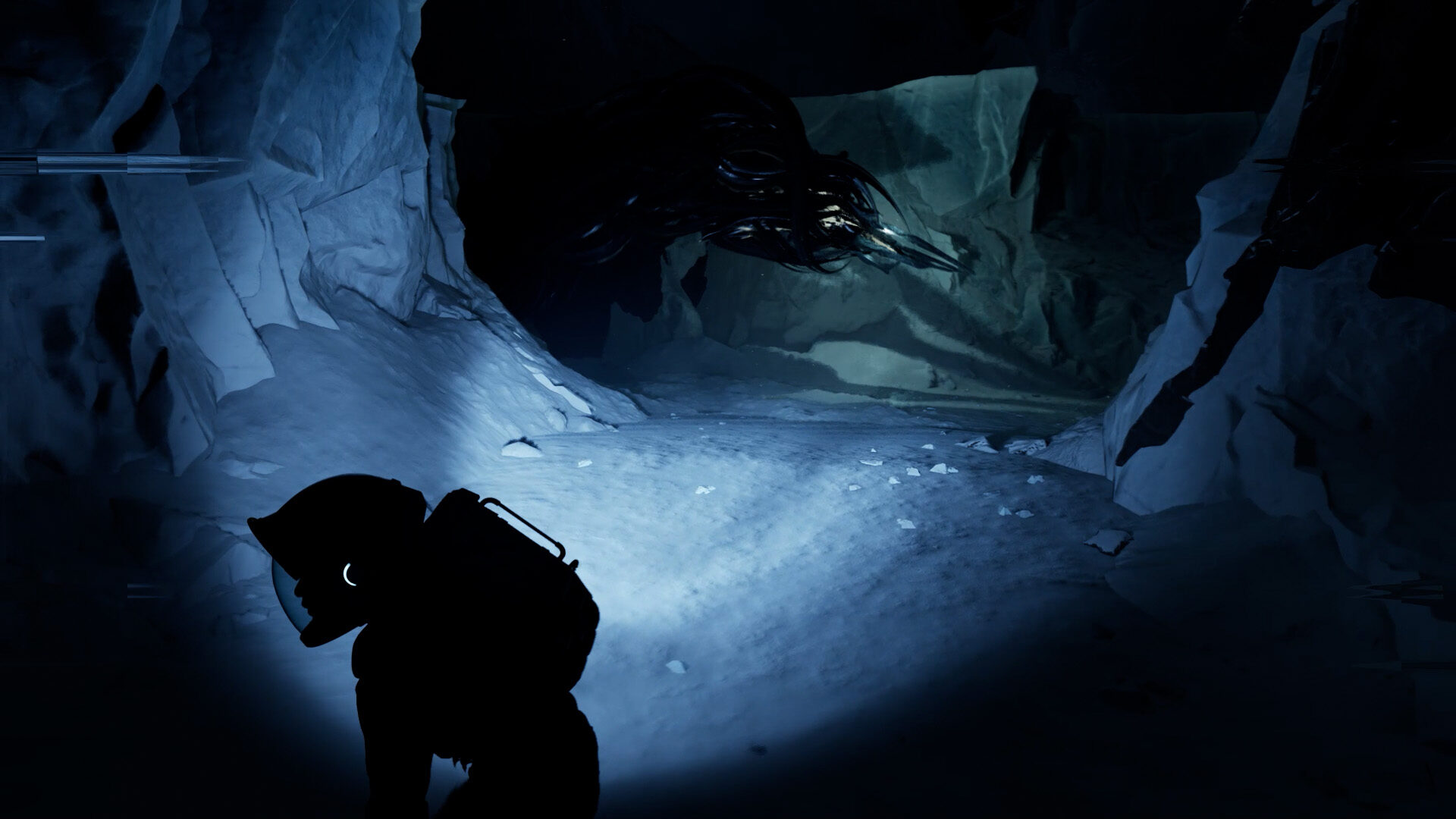
According to Guillaume, the Nemesis was inspired by sci-fi films like Alien, Interstellar and Arrival, adding, “We’ve all played different alien games, and especially one I think that you all have in mind, so that was obviously a source of inspiration. Even if the fact that the Nemesis doesn’t see triggers a different way to interact with a kind of alien encounter.”
What I liked most about the Aphelion demo was how balanced it feels with its gameplay. In a lot of games of this type, there’s a tendency to mash too many game-styles together—going from platforming, to high-octane gunfights, to stealth segments and puzzle solving in such rapid succession to cause tonal whiplash. Aphelion feels much more grounded, focusing on the mechanics of survival in a way that feels desperate and deeply resonant.
But the biggest way Aphelion differentiates itself from DON’T NOD’s previous narrative adventures is the way it downplays the “butterfly effect” of previous games. While Guillaume did say players would be able to make certain choices that will effect the certain in-game elements as they switch between Arianne and Thomas, the moment-to-moment gameplay is more directly action-focused—no instances of characters “remembering that.”
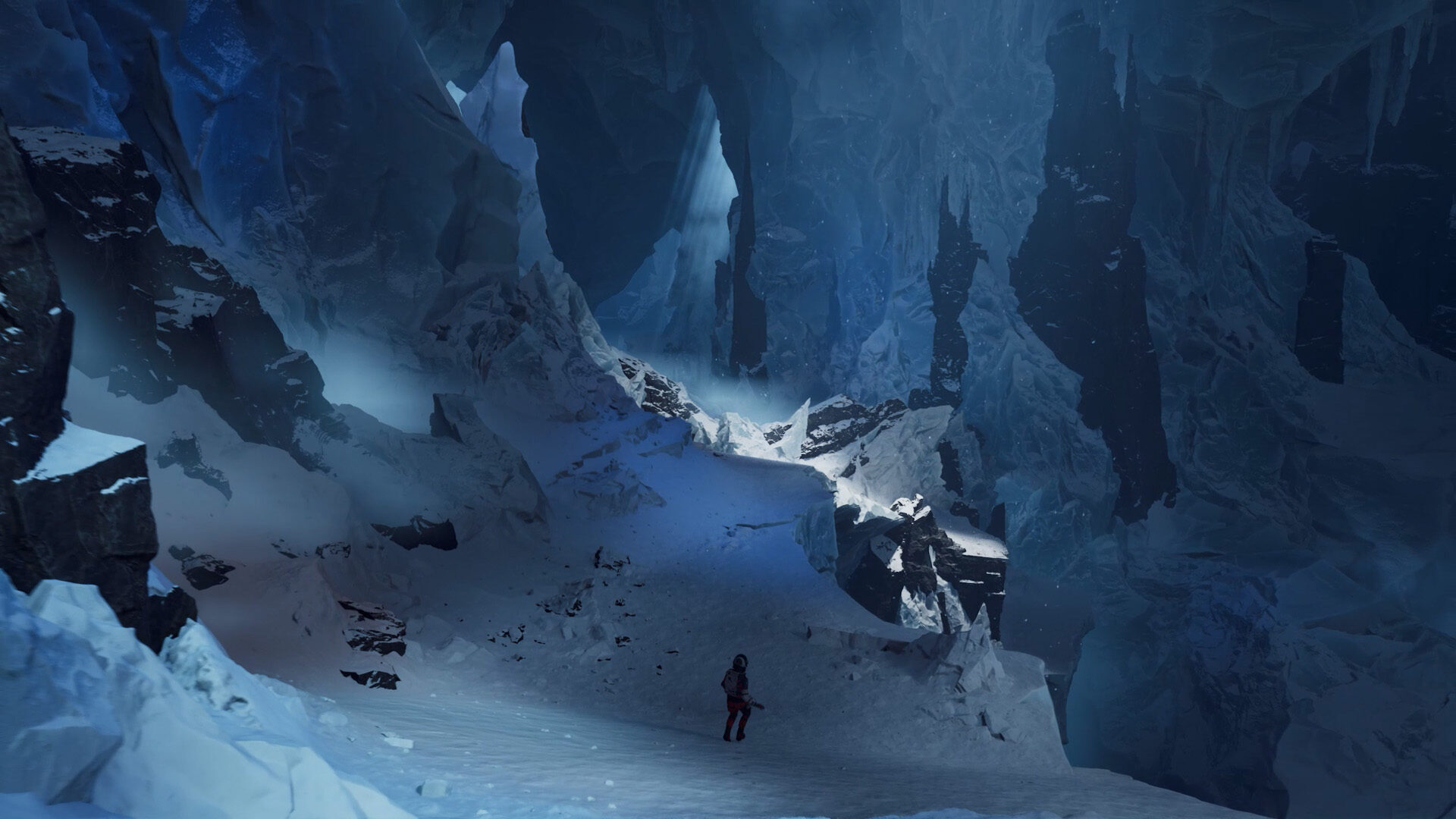
While my time with the game was brief, I’m anxious to see more of Aphelion. There’s a solid foundation for a genuinely intriguing story in Aphelion—something DON’T NOD specializes in—and a seriously engaging action game. It presented a world filled with danger, but also one with a kind of raw beauty that I really want to learn more about.
Aphelion is scheduled to launch in 2026 for PC (Microsoft Windows), PlayStation 5, and Xbox Series X|S.