
In 2026, an FPS or third-person shooter has a huge bar to overcome. Highguard has the ambition and execution to possibly do that. Wildlight Entertainment’s core creative and executive team is comprised of developers and heads from Respawn Entertainment, bringing major successful experience from Apex Legends and the Titanfall games. Highguard has been under development for about four years, since the independent game studio was formed back in 2021.
Wildlight Entertainment’s hurdles became worse after Highguard was announced at the prime, last slot for The Game Awards 2025—having the host Geoff Keighley fully backing the game. Audiences immediately shared their thoughts online to roast the unreleased game, already deeming it a generic, about-to-be-cancelled hero-shooter situation that would lead to the results of games such as XDefiant and Concord. However, this team is confident that players will enjoy this one, as long as they give it a chance.
After hours of playing Highguard, CGMagazine got a chance to exclusively sit down and chat with two of the game’s design devs. We spoke with the Design and Creative Director, Jason McCord, and Lead Game Designer, Carlos Pineda. Both team members worked at Respawn Entertainment and Apex Legends, with Pineda also behind some work on Call of Duty: Infinite Warfare. We discussed various topics surrounding the game’s core design philosophies, AI use, and what they want players to get excited about from playing Highguard.
What are some ways that we can expect to learn more about the Highguard’s lore?
Jason McCord: We’ve built a lot of stuff internally about how the world works and everything…all the characters have backstories. We have a really thoughtful, interesting, fleshed-out story on how the universe came to be, how some people have magic, some people don’t…when they discovered and rediscovered Highguard, the continent where all you do all these battles on. We have all this stuff fleshed out.
If people want to know more, we will tell them more. We’ve got so many stories we want to tell. And then we’re also just looking to find ways to add all that stuff into the game. I think on Apex [Legends], we did a pretty good job of telling stories in a multiplayer game. And so we learned a lot of tricks that when you get live service kind of going, there are lots of ways to sort of interject little stories and have certain characters stand out for whatever reason. So we’ve got all that stuff kind of cooking.
I’m always a sucker for some ranked play in competitive games like this. Could you tell us more about how ranked play will work in Highguard?
Carlos Pineda: Unfortunately, we can’t talk specifically about how ranked works yet.
Jason McCord: Yeah, ranked season two will have a whole push. It will announce what’s in there. For now, it’s just a little teaser. Ultimately, we just want players to know that it’s coming. It’s really important to us that we think an average player is going to get in and have about two weeks to sort of learn the game. This game doesn’t really have a counterpart in terms of how you play it. It’s a unique game.
So, two weeks, we feel is a good time for players to get in and be like, ‘Okay, this is how we play the game. These are the characters I like. There’s probably some metas that start to lock in a little bit.’ Then, we thought about two weeks in, the players are going to be like, ‘Okay, now I want to compete for real,’ and then so ranked will be there.
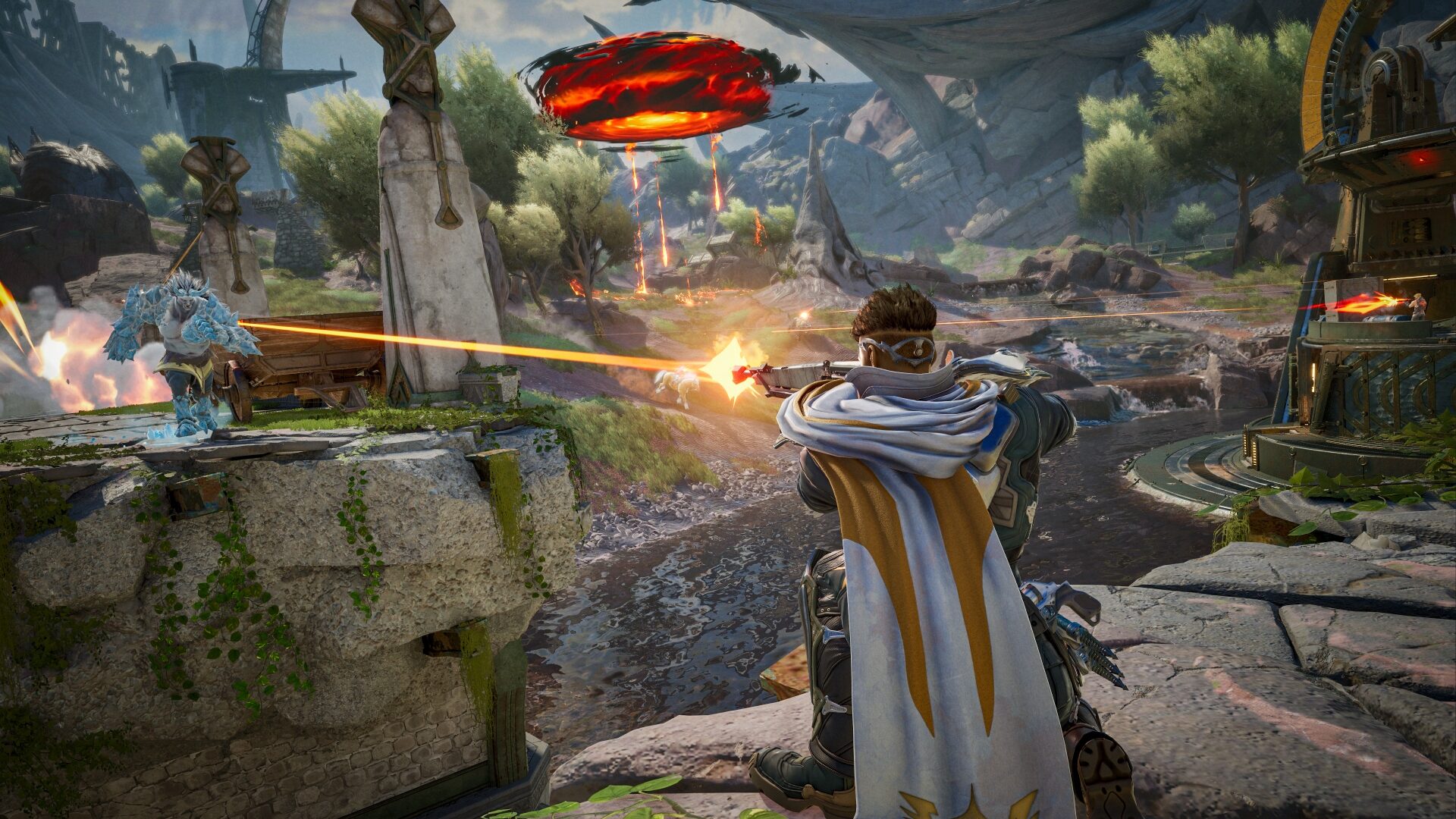
Following up on ranked play, I know the team is hoping for Highguard to break into the eSports space. So, how will you all be balancing player feedback from the professional players and the general players?
Carlos Pineda: Yeah, I think it’s good to have a healthy balance of both. I think if you listen exclusively to pro players, you then cater to a certain style of player, and then other people feel left out. I think it’s important to make sure that you know people, people who come in early, they are the future pro players.
And so, if you alienate these people, then you know this pool will start to dwindle and just become stale. So it’s important to take feedback from both sides and then figure out a solution to specific problems—where they show up. That’s going to be the approach we take, which is listening to everything and then having very targeted fixes.
Jason McCord: One thing we learned on Apex Legends was that something can be pretty OP at a high skill level, and it’s not OP at a low skill level. A low-skill player doesn’t know how to use it the way that the high-skill player does. You don’t want to nerf that ability in a way where the low skill players are like, ‘Oh, this ability sucks now.’ It’s a case-by-case basis. Every time we see something like that, it’s like, ‘Okay, this is a new problem. How do we want to solve it?’
In the past, we’ve done things where the character model is too small. Maybe we need to make their character bigger, or sometimes it’s just cooldowns and that kind of stuff. It can be anything, but it’s important to look at all the skill levels. And we have the data tracking itself to make sure that we’re judging where things are. Plus, we’ll be listening to what people say.
Also, building on the skill levels and difficulty levels of each Warden in Highguard, are there going to be visual indicators to show that for each Warden?
Jason McCord: No, but we talked about it a bunch. Deadlock is a good example. They put stars or something like that, and they have a lot of characters. They probably rank them better than most games do in terms of not feeling like certain characters are a newbie character. For us, we don’t have a lot of characters, and we don’t want to alienate characters, like, ‘Oh, that’s the newbie character.’
I think if you’re brand new to [Highguard], I believe you can see the value in every character right away in their kit. Every character kind of feels easy to play at first, because you’re like, ‘Oh, I get it. I spawn a wall up. That’s very useful.’ And then you realize later, some of the tricks and how that character might be a little more powerful.
Carlos Pineda: Our characters aren’t like the full hero-shooter standard. For other games, if you don’t know how to play this character, you can’t kill anyone. We are a shooter and a gun game first. If you master the guns, in theory, even if you don’t use your character abilities, you’re goingto kill people. Because guns decide what kill people, and then you can build your character skill on top of that. So it’s a smaller part of the sandbox compared to other games.
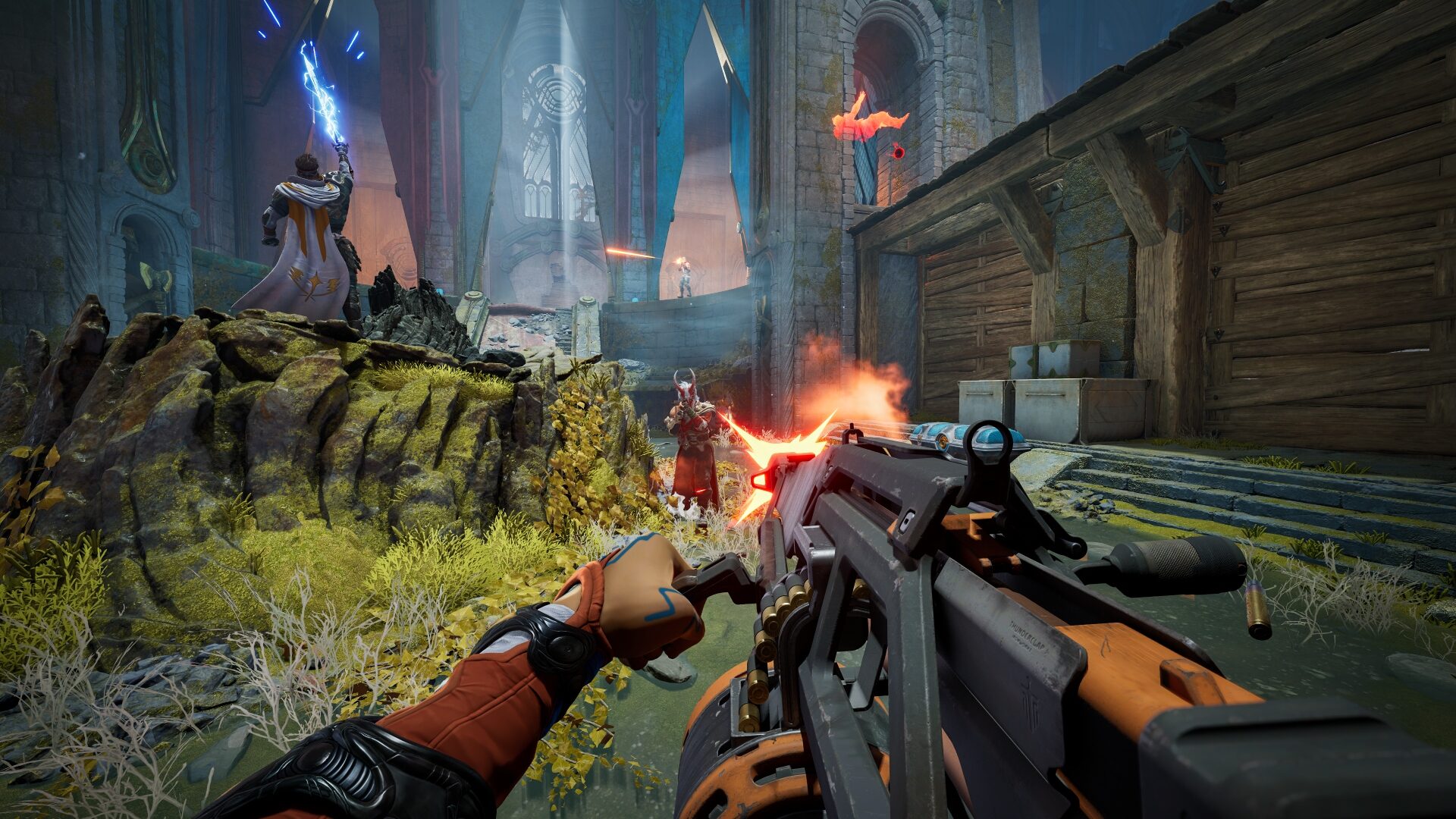
That’s true. I noticed that when I initially focused on what I’m already decent at, gunplay, the abilities supplemented the gameplay after. On the topic of combat, Ultimate Abilities are important to games like this. What are some of the design philosophies behind coming up with those abilities?
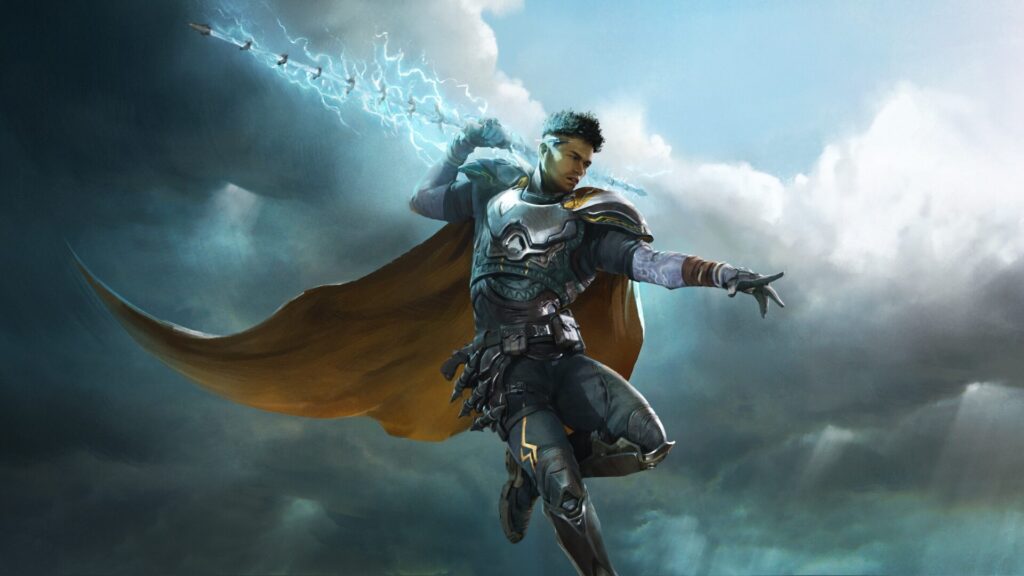
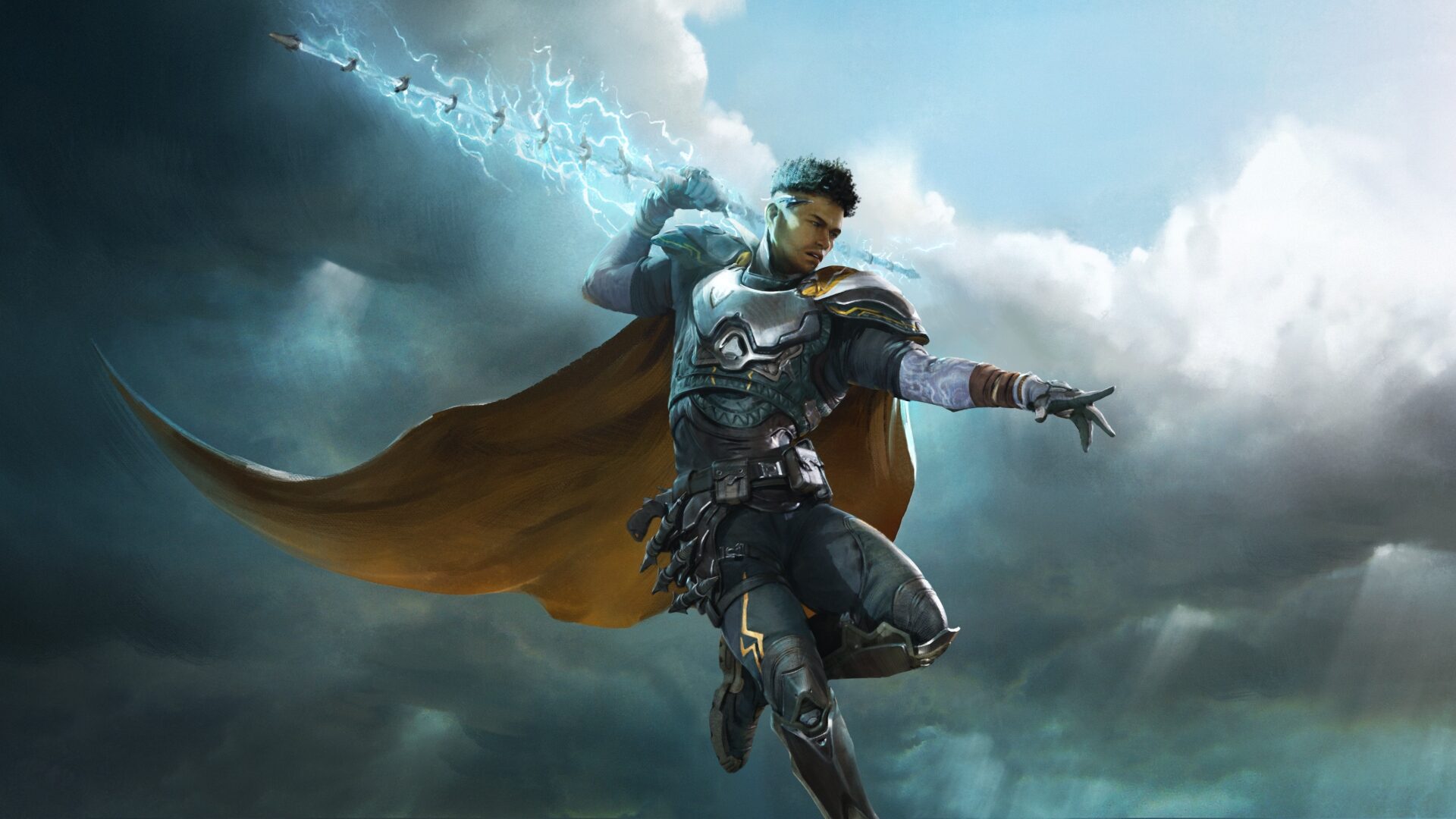
Jason McCord: Atticus speaks to some of the design philosophy that we thought was really critical for this game, which is spiky mechanics. His Ultimate is really spiky. You can turn a fight with just that ultimate. Not all ultimates are that spiky. I’d say Kai’s Ultimate is pretty spiky, if you had a chance to Hulk out.
After you planted a bomb, you’re like, ‘You’re never taking this bomb side!’ And those mechanics are really fun to build in there. For example, if you get a Big Rig from an airdrop, that’s a very powerful gun. Suddenly, you are a dangerous person on the battlefield. And that’s really important for a game where you were just smashing against the other team over and over again.
And if everyone’s always balanced all the time, it’s like nothing changes. So we have these fun things that we’ve built in. We’ve tried to make sure that we build spiky mechanics, with some of our strong gold/legendary weapons/orange weapons too. We want teams to reset their fights where suddenly the power is here, and then the next fight might be different—depending on where the spikes are.
On a different note, AI use is becoming more prevalent throughout early stages, concepts, and final designs across the gaming industry. Was that something considered or used in the development process for Highguard?
Carlos Pineda: No, there was no AI used in this game. It was all original.
Jason McCord: All original. Pure Craftsmanship.
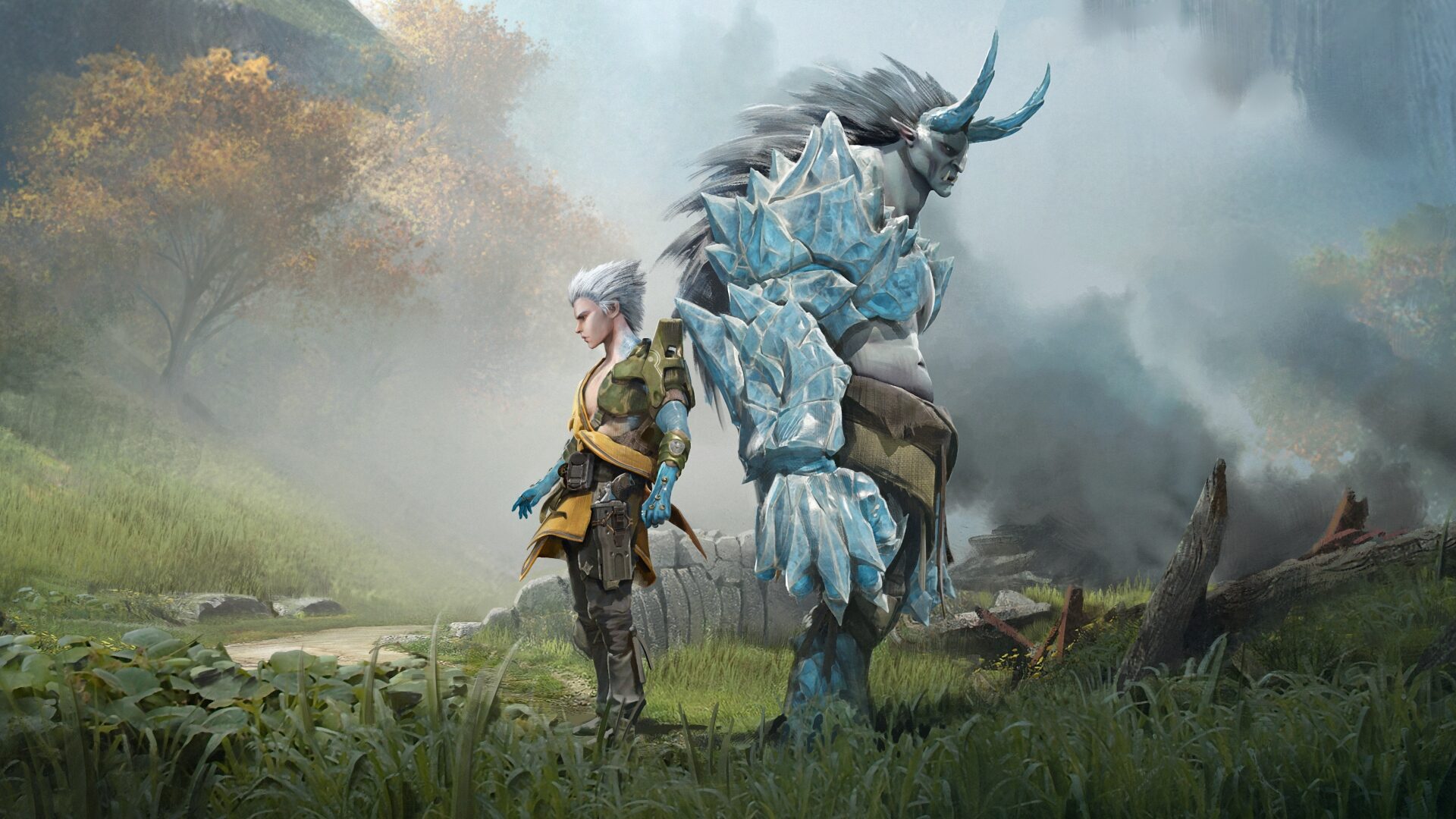
That’s really awesome to hear! And on a last note, what do you hope players will enjoy and take away from playing Highguard?
Carlos Pineda: I think they should be excited to play a new take on a new game with new mechanics, new things to think about, new strategies—just a whole new experience that you’ve never played before. And if you like multiplayer shooters, but you’re kind of tired of what’s out there, come to Highguard. There are a lot of cool new things to experience.
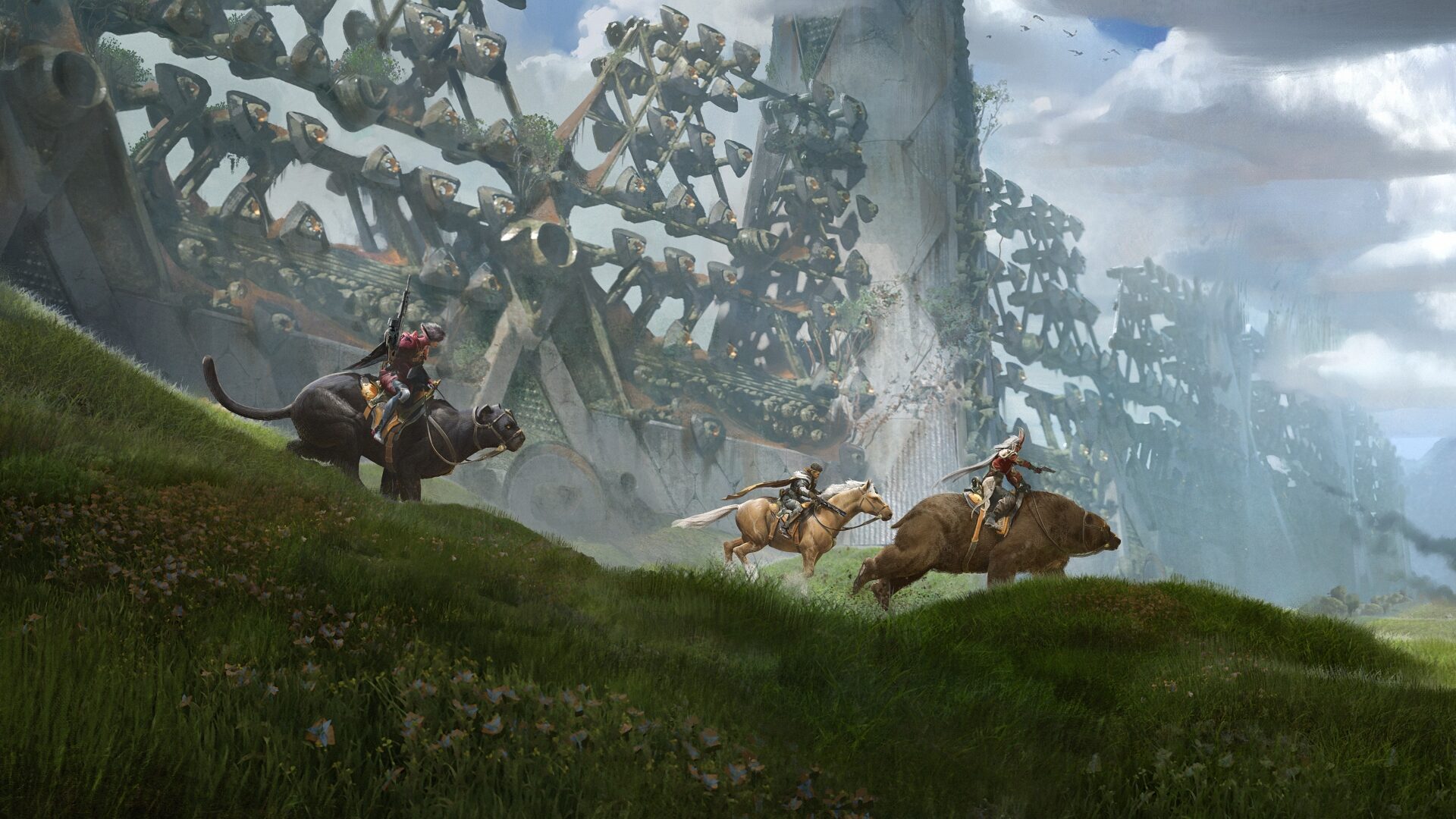
Jason McCord: Yeah, there’s a lot of mechanics that we’ve built. There’s the nitty-gritty answer to that question: there are Mounts. I’m sure at this point in the day, you’ve chased people down while mounted and shot them off their mount. You can’t really do that in any games that I’ve played. If you want those mechanics, you have to come play Highguard.
Then there’s a higher level of the decision making, the way your brain is thinking about the strategy. ‘Should we be grabbing the Shieldbreaker and sprinting there? Should we grab it and post up and try to win one fight and then hit a speed gate and try to get to that hill over there?’ There are new ways that you’re thinking about every match that I just don’t think that once you get in there and you get a taste of it, I don’t think you’re going to get it anywhere else. We hope you want to come back and play more of it after you try it out.
Highguard is out now and free-to-play on PlayStation 5, Xbox Series X, and PC (Steam).