

The Xbox camp’s airwaves have been dominated by pessimism now for as long as I can remember.
For years and years, Xbox fans and employees alike have endured a rollercoaster of ups and downs for Microsoft’s gaming brand. Whether it’s layoffs, unpopular decisions, or external factors like the memory crisis — team Xbox can’t catch a break. Things can’t get any worse, right? Well …
Much has been said about the callousness of this latest round of Microsoft layoffs, which hit the entire run of the company, as has become tradition almost every July now. It’s painful knowing that these cuts and reductions won’t solve the biggest problem facing Xbox, and traditional gaming platforms in general.
The eternal question: where will the next phase of real growth come from?
The attention economy is getting more saturated by the day
The uncomfortable truth for traditional video game platforms is that revenue is only growing by squeezing the existing user base. PlayStation, Xbox, Nintendo, and even Steam are basically trading the same fixed amount of users back and forth. Some estimates predict a contraction in gaming this year, owing to the memory crisis pushing prices beyond people’s means.
The memory crisis won’t be forever, but even after that, therein lies an existential question: huge swathes of younger cohorts have side-stepped Xbox, PlayStation, and even Nintendo, in favor of Roblox.
The Robloxification of gaming demographics cannot be overstated. Roblox has more monthly active users than Steam and Xbox combined, and double that of Minecraft. It’s only when you throw in casual games like Candy Crush Saga that Xbox really begins to approach similar figures, but it obviously becomes a faulty comparison at that point.
It’s also true that Roblox hasn’t made a penny (yet). They’re in their growth phase, burning cash on changing user behavior before jacking up prices — effectively the Spotify and Netflix model. Eventually, creditors will want to see returns, by which point Roblox hopes to have become the default gaming development platform. For many, it already has.
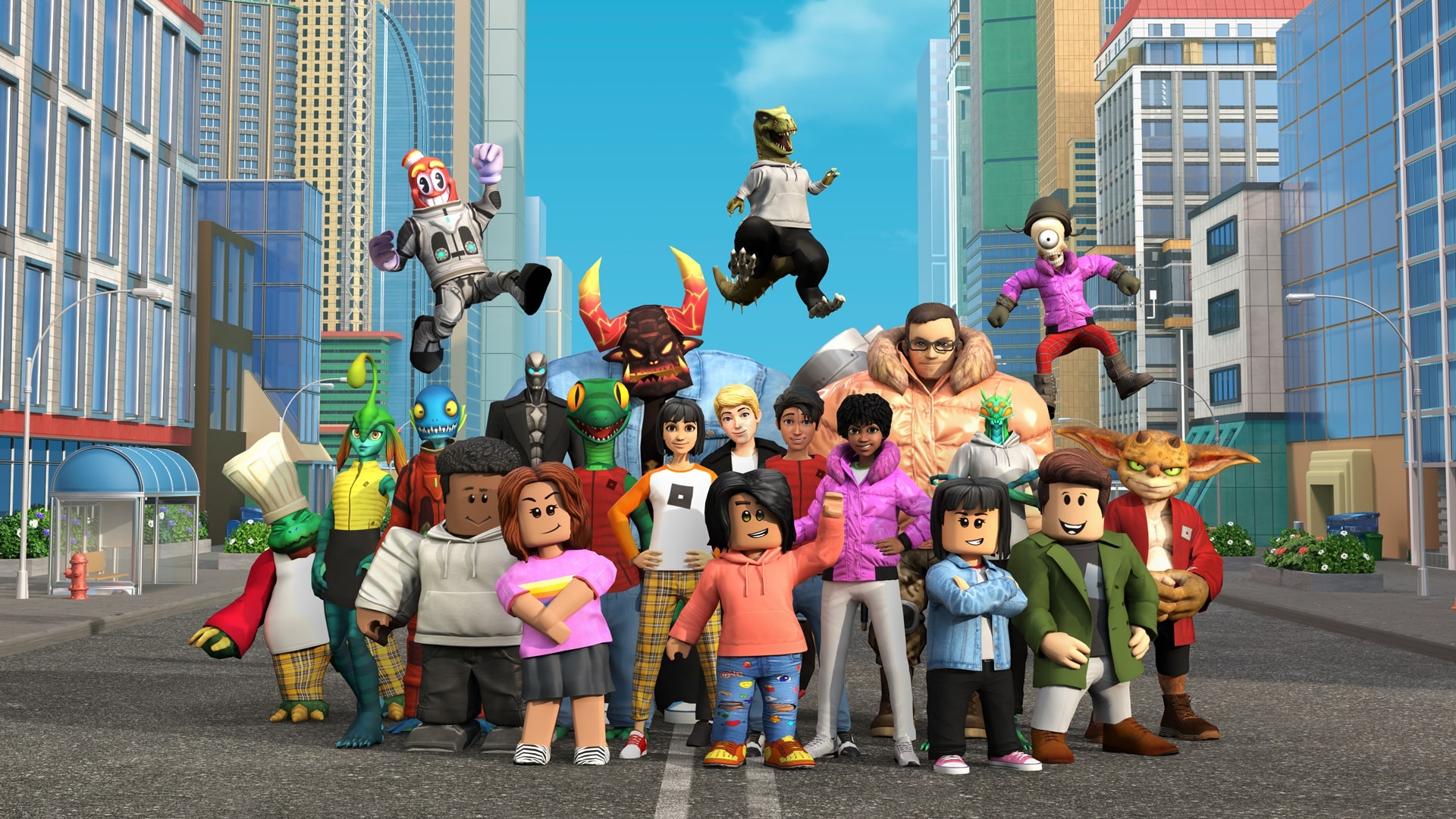
Xbox and PlayStation have grossly under-invested in younger cohorts, and Nintendo’s insistence on gatekeeping their franchises behind hardware has limited their ability to reach younger audiences. The fact that traditional core games also take exponentially longer periods of time to produce means that youngsters might completely age out of titles that target them before they even ship, by which point trends will have changed, and tastes will have evolved.
Indeed, in our attention-anemic, hyper-infotainment, insta-gratification society, Roblox’s “quick and dirty” game delivery model is perfect for the era. Games come and go in a flash, devouring the latest memes and in-jokes that baffle older generations and celebrate youth culture in ways God of War or Halo simply cannot tap into now.
For sure, Roblox’s rise to dominance is less about gameplay quality or visual fidelity, but more about the social value Roblox offers that has made it a juggernaut. The vibes.
The fact Microsoft looked to a former Meta executive to run Xbox is likely no coincidence.
Can Xbox become … COOL?
One criticism I have of Phil Spencer and, honestly, Microsoft in general is their utilitarian approach to product design. Xbox and Windows both have become sterile in recent years, with fun and quirky features relegated to memes and memories. Indeed, trends are cycling more quickly than ever, turbo-charged by artificial intelligence and short-form social media. That’s perhaps not ideal if you’re a corporation that moves as slowly as Microsoft, which also has no culturally relevant social media layer.
Therein lies Xbox’s core problem. Putting the legal troubles and safety concerns to a separate discussion for now, Roblox has amalgamated social media and gaming into this amorphous digital monster that seems inaccessible to Microsoft and Xbox in general.
How can Xbox hope to become culturally relevant in an era where culture is now a chaotic revolving door? It was barely relevant to begin with, but in ages past it had the advantage of an era where corporations had greater control over content and context. Modern internet culture spawns from a vast and increasingly artificial digital ooze which bubbles up an occasional banger only for it to almost instantaneously deteriorate when corporations get their tasteless claws in. The rise of independent creation has corporations like Microsoft and Xbox completely locked out.
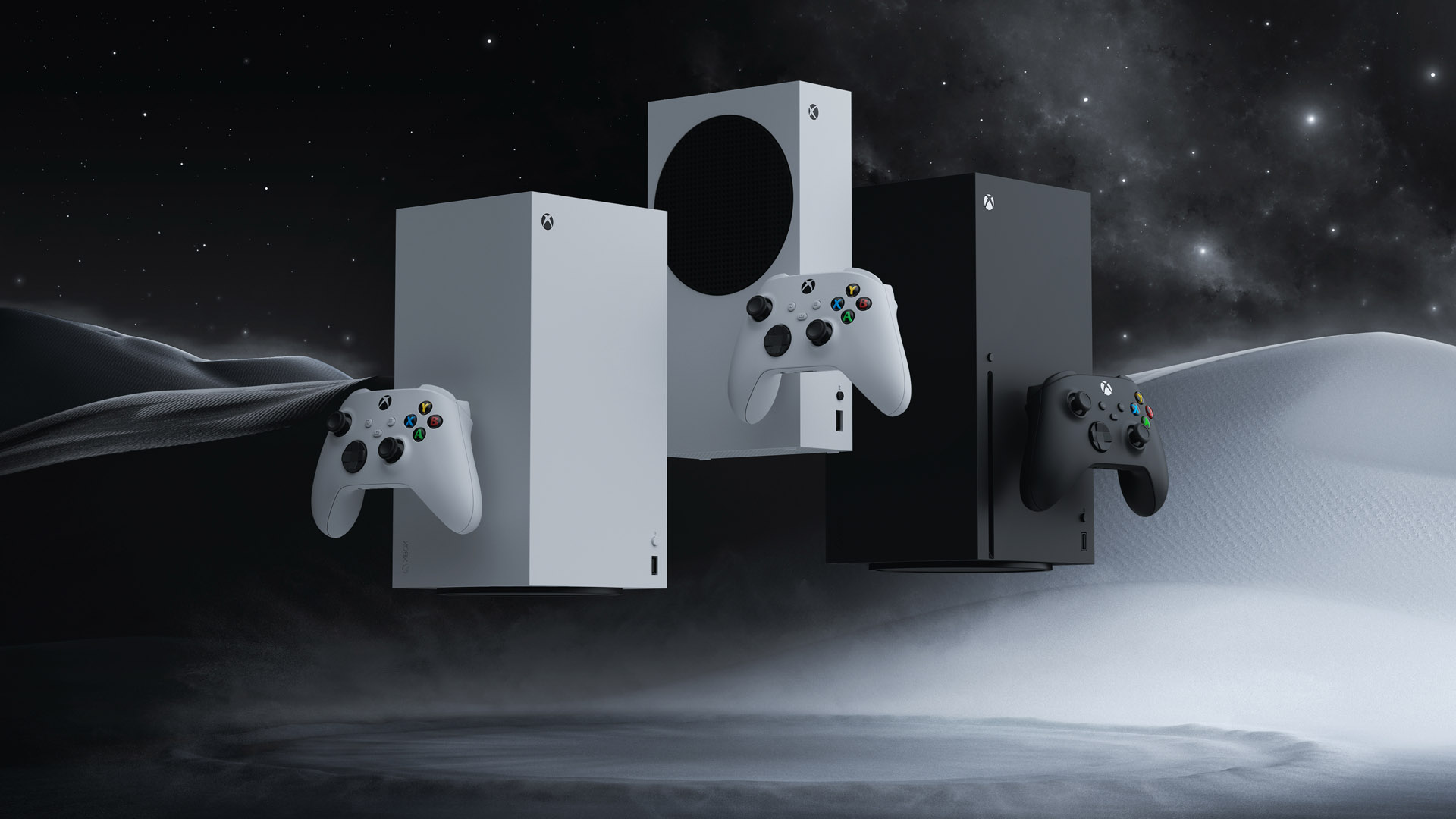
But Xbox does have one cube-shaped trick up its sleeve here …
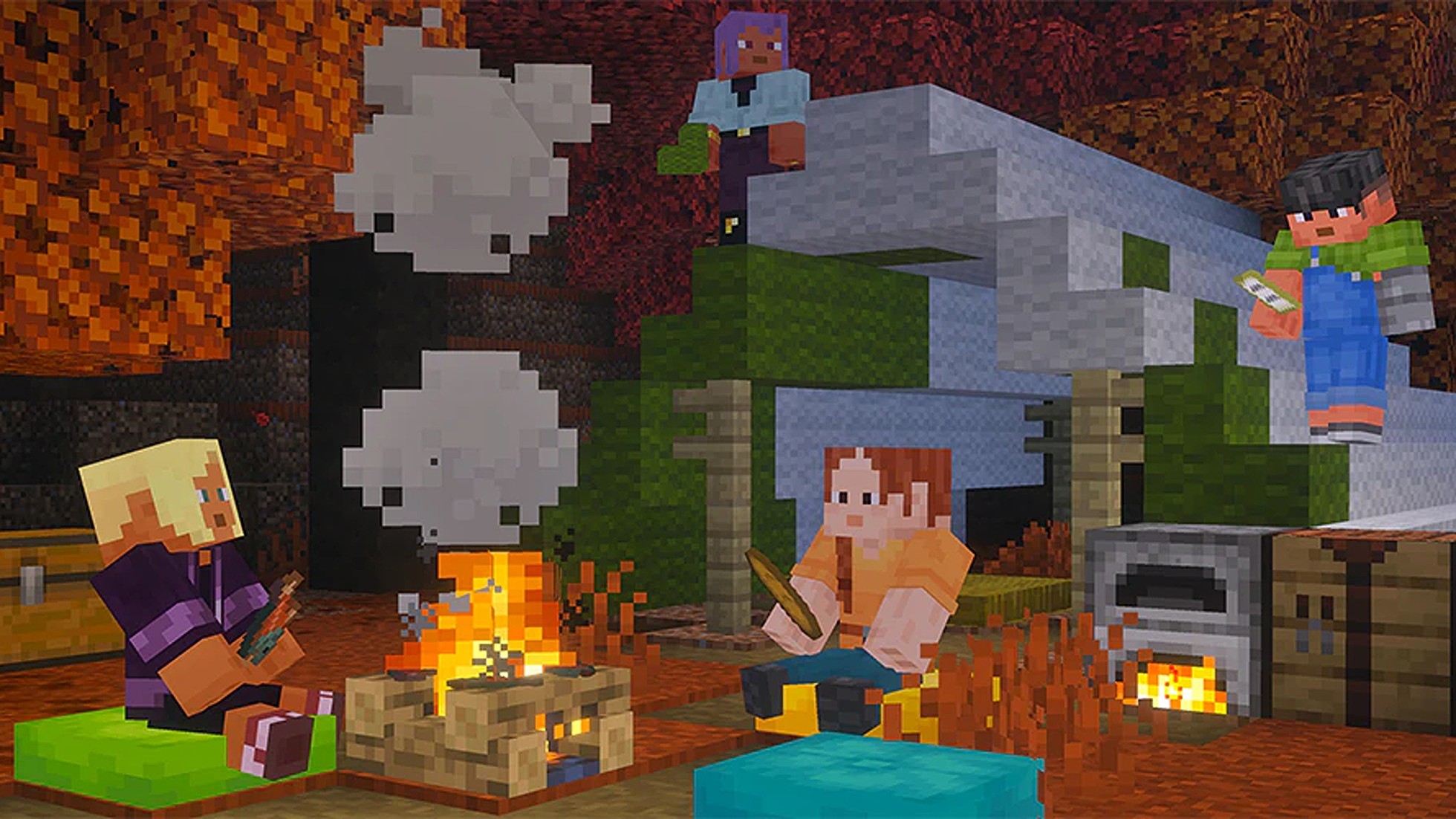
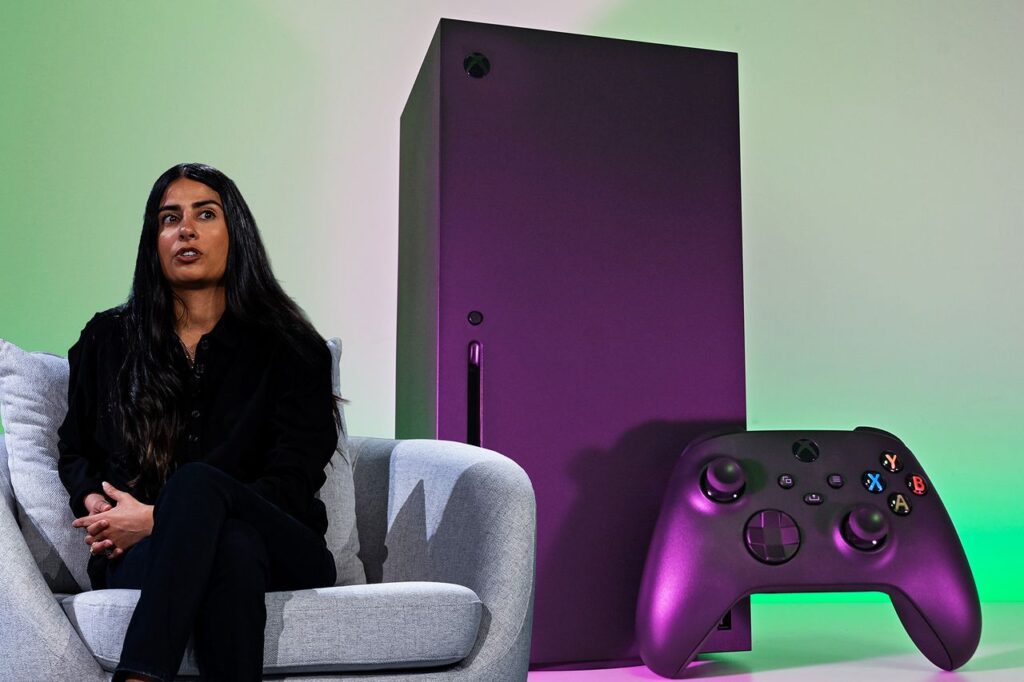
Xbox CEO Asha Sharma has stated that her short-term goal is to improve the situation for the core. Namely, older gen-z, millennials, and gen-x, who are pretty locked in their ways and want specific types of games and experiences. They aren’t the future of the platform, though, nor are they the future of growth. We’re aging out, getting old, having kids, and, ya know, dying to be blunt about it.
For Xbox to maintain competitive salaries against AI funny-money talent scouts and inflation, it needs to find new growth. This summer, that growth came from cuts and price increases. That’s hardly sustainable, though. It’s a short-term solution to hedge against a longer-term problem.
The big problem is Xbox’s lack of new user acquisition. Xbox Game Pass, Xbox Cloud Gaming, and devices like the Xbox Ally haven’t really helped. Most Xbox Cloud Gaming and Xbox handheld gamers are already Xbox Series X|S users. The trick is finding those elusive new users, which Microsoft describes as “NTX” internally (new to Xbox).
The crux of it will make for uncomfortable reading for Microsoft higher-ups: Xbox needs to become social media adjacent. It needs to be less sanitized. It needs to lean into that digital ooze I mentioned, and, perhaps even a little dangerous if it wants to succeed in an era where cultural capital is more important than pixel density.
I don’t think Microsoft has the stomach for it … but this is Asha Sharma’s wheelhouse. It’s probably no accident that she was specifically chosen for this job. It’s probably no accident that she just bought Minecraft, Xbox’s closest Roblox allegory, in-house. It’s probably no accident that she hired Matthew Ball, who wrote the book on social media-adjacent games like Roblox as CSO.
It might take years to see the fruits of her ideas in this area … and in the short term, she’s going to focus on strengthening the core of what Xbox is today. But I believe she’s also planting seeds for a social media revolution at Xbox — bringing Microsoft into an industry that it has long been too afraid to even touch.
What’s your take? Let me hear it in the comments, down below.

Join us on Reddit at r/WindowsCentral to share your insights and discuss our latest news, reviews, and more.