
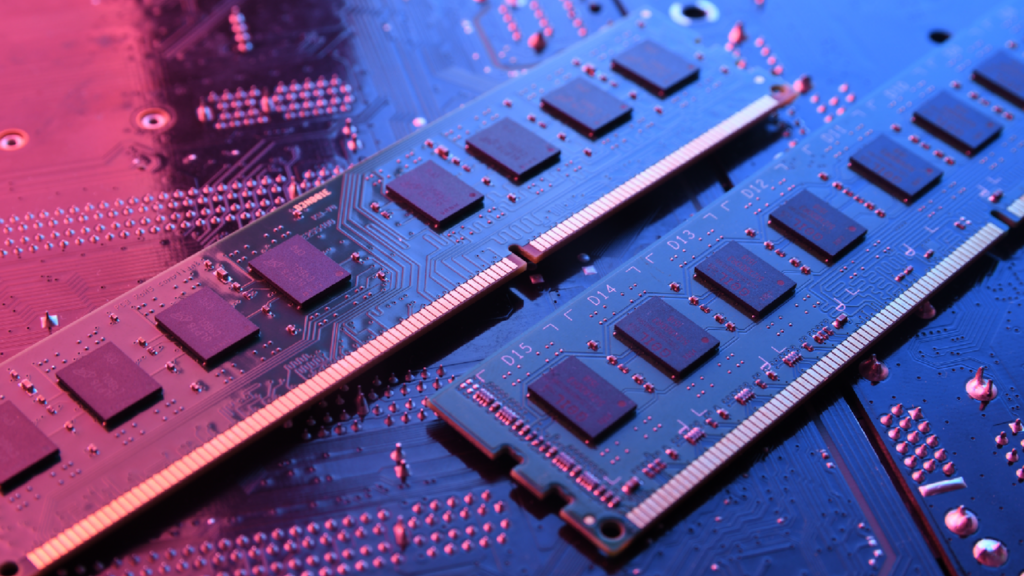

A look through AMD’s recently released financial reports shows an interesting addition compared to the previous year. In its list of risk factors to its business (a required part of a Form 10-K filing) and under a section entitled “Economic and market uncertainty may adversely impact our business and operating results”, AMD makes mention of the current memory supply crisis.
“Adverse changes in economic conditions could increase costs of memory, equipment, materials or substrates and other supply chain expenses.”, says AMD. “For example, there is currently an industry-wide memory shortage as the demand for such components has outpaced supply.
“The price of memory has also increased as a result of the shortage. If we are not able to procure a stable supply of materials, including memory, on an ongoing basis and at reasonable costs to meet our production requirements, we could experience a supply shortage or an increase in production costs, which could negatively impact our gross margin and materially adversely affect our business.”
A glance through last year’s Form 10-K report shows much of the same language in the same section, but with no specific mention of memory shortages or its pricing.
On the surface, this seems pretty obvious. The term “RAMpocalypse” was far from our lips for most of last year, as the current shortage brewed into an ongoing crisis towards the end of 2025. However, it’s telling that AMD feels the need to add it specifically into its latest risk factor statements.
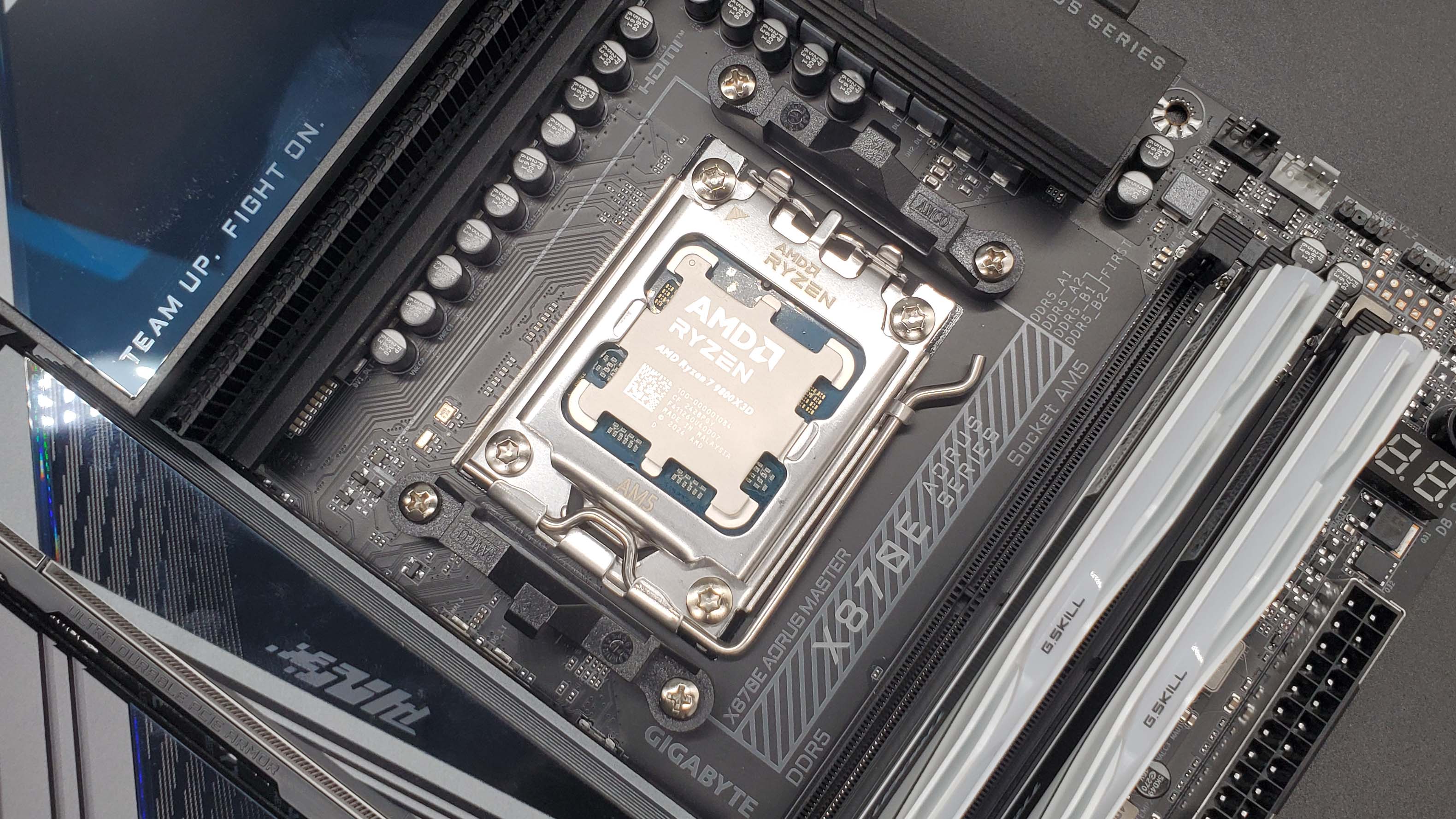
After all, most of its products are reliant on DRAM modules in some form or fashion, like most modern electronic devices. And while AMD does not directly manufacture memory itself, it does keep several long-term strategic partnerships with established memory manufacturers to ensure that DRAM is available to both itself and those that go on to sell its products, like board partners for graphics cards.
On the other side of the aisle, Zotac, a graphics card manufacturer that supplies Nvidia GPUs, recently said that the current situation was: “extremely serious—serious enough to raise concerns about the very survival of graphics card manufacturers and distributors going forward”
Looking to the wider market, however, memory pricing becomes an issue across the chain. AMD may have had a bumper year for CPU sales in both the desktop and mobile segments, for example, but if customers begin putting off upgrades (or are reluctant to buy new machines because memory prices are pushing up the MSRP), that effect will surely be felt in its processor sales, too.
Of course, AMD has an obligation to declare all the potential risks to its business, and so this could just be an example of ever-expanding boiler plate. However, it’s another example of the wide-reaching potential effects of this… situation we all find ourselves in. May you live in interesting times, as the old adage goes.


It’s interesting to see AMD acknowledging the RAMpocalypse in their risk statements. The memory shortage is certainly a pressing issue in the industry right now. It’ll be intriguing to see how this impacts their future strategies and product offerings.
It’s definitely a significant move for AMD to include that in their risk assessment. This acknowledgment not only highlights the challenges they face but also reflects broader industry trends. It will be interesting to see how they adapt their strategies to mitigate these supply chain issues moving forward.
It really highlights their awareness of industry trends. Including the RAMpocalypse in their risk statements not only shows transparency but also suggests they are preparing for potential challenges ahead. It will be interesting to see how this impacts their strategies moving forward.
Absolutely, it shows that AMD is proactive in addressing potential challenges. It’s interesting to see how they might adapt their strategies in response to this shortage, especially as memory demand continues to grow with advancements in gaming and AI technologies.
I agree, AMD’s proactive stance is commendable. It’s also worth noting that this shortage could impact not just pricing but also the timelines for product releases, which could affect their competitive edge in the market.
I completely agree with you! This shortage could indeed impact not just AMD but the entire tech industry, potentially slowing down product launches across the board. It will be interesting to see how companies adapt to these challenges in the coming months.
Absolutely, it’s a widespread issue that could affect production timelines and pricing across the board. It’s also interesting to note how companies might pivot or innovate in response to such shortages, which could lead to new technologies or alternative solutions in the market.
You’re right, the RAMpocalypse is definitely a significant concern for the industry. It’s interesting to note how AMD’s acknowledgment of this issue reflects their proactive approach to managing risks, which could potentially influence investor confidence as well.