
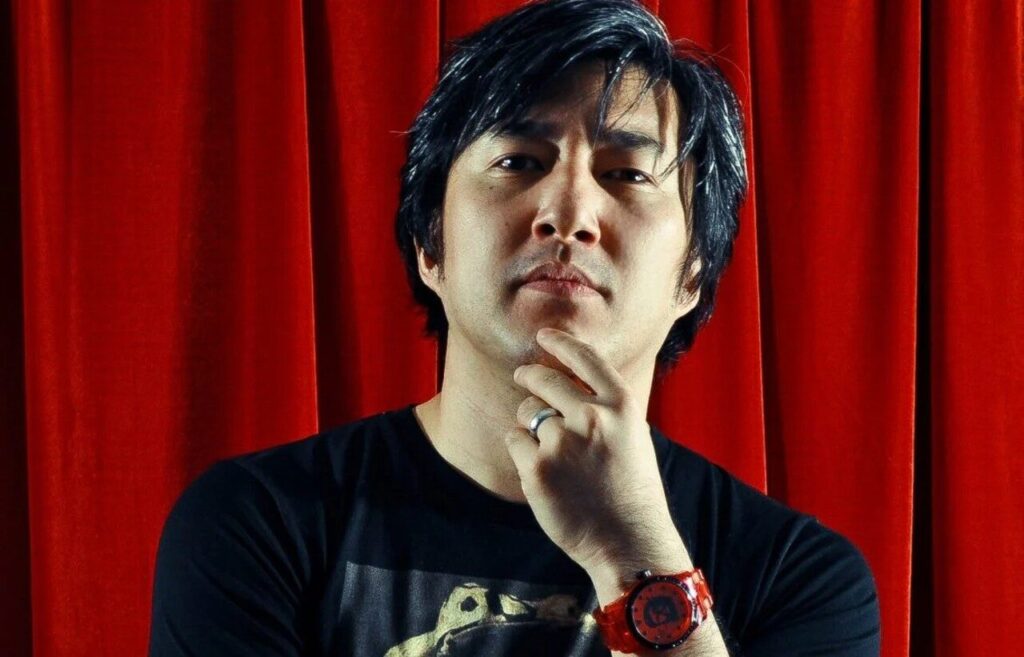

Over the last two decades, Suda51 has carved his distinct style into the hide of the video game industry. The creator of games like Killer7, Shadows of the Damned, and No More Heroes is known for his raucous, often irreverent approach.
Now his new game, ROMEO IS A DEAD MAN, hopes to carry on that legacy while simultaneously tackling the multiverse. But it also marks a new era for Suda and his studio, Grasshopper Manufacture, as the first title fully self-published. This presented a unique new challenge for the studio, even while ROMEO IS A DEAD MAN pushed the envelope even further on Suda’s brand of bloody sci-fi action.
With the impending release of ROMEO IS A DEAD MAN, we sat down with Suda to discuss the creation of his new game, how he feels about his reputation as a creator, his “Kill the Past” games, and much more.
ROMEO IS A DEAD MAN plays around a lot with the idea of the multiverse. But in a way, it almost feels like it’s critiquing the prevalence of multiverse stories. Was that an intent? Why did you want this game to be about the multiverse?
Suda: When I first started coming up with ideas for this game, and when we started doing pre-production, which was about four or five years ago, there was some stuff out there. But there wasn’t as much multiverse-related stuff as we have now, about the multiverse, time-travelling, and spacetime. It wasn’t as widespread as it is now.
So as we were going through development and new parts of the game, that stuff started spreading and became more and more popular. I had tried to hold back on making it too multiverse-y, and didn’t want people to think “Okay, he’s doing this because it’s like the big thing right now.” Even Deadpool said everything is a multiverse, we’re getting sick of the multiverse. I remember those words, and I didn’t want people to get that idea. So I did try to, not stay away from it, but keep it relatively lighter in the finished version than the original idea I had.
I’m curious why you felt it was important to set ROMEO IS A DEAD MAN in a small American town. And more largely, how has American culture and history shaped both this game and your work at large?
Suda: I often see in crime-based drama movies and TV, strange events happen in a small town in America. And because it’s a smaller town, it shakes the entire community. Then, not just the police, but the FBI come in. It’s an even bigger thing, and people have a different reaction to that, both in real life and in stories, than they would if it were a bigger city. I wanted to explore that whole dynamic. If this really big event happened in small-town America, how would people react?
When I started writing a scenario for the game, in one of the much earlier drafts, there was a part about how there was this incident where, way before Roswell, a UFO crashed in a really small American town — and that would have influences and effects later on in the story. For different reasons, it ended up getting scrapped, but I’ve always been really fascinated by how things unfold in stories like that, where something big happens.
As far as how American culture has influenced my games, when I was a kid, I was really into pro wrestling, and in particular, what’s called New Japan Wrestling and All-Japan Wrestling. I mostly watched that, but there was also this TV show in English, it’d be called like World Pro Wrestling
On that show, they’d show matches mainly from the state, from, it’s now WWE, but back in the day, WWF and AWA, various American wrestling associations. That was my first contact with American wrestling, and it was just a different experience than watching Japanese wrestling. Because the wrestlers are American and the audience is all American, the way they react to things is different. How everything is set up is different.
I saw people like Jerry Lawler, and later on watched Wrestlemania. It just had a huge impact on me in my youth, and always stuck with me. The way it was so unique, and really American. I watched those matches and felt like “this is American.” The style of it, the showmanship, and the way they’re put on, it always stuck with me.
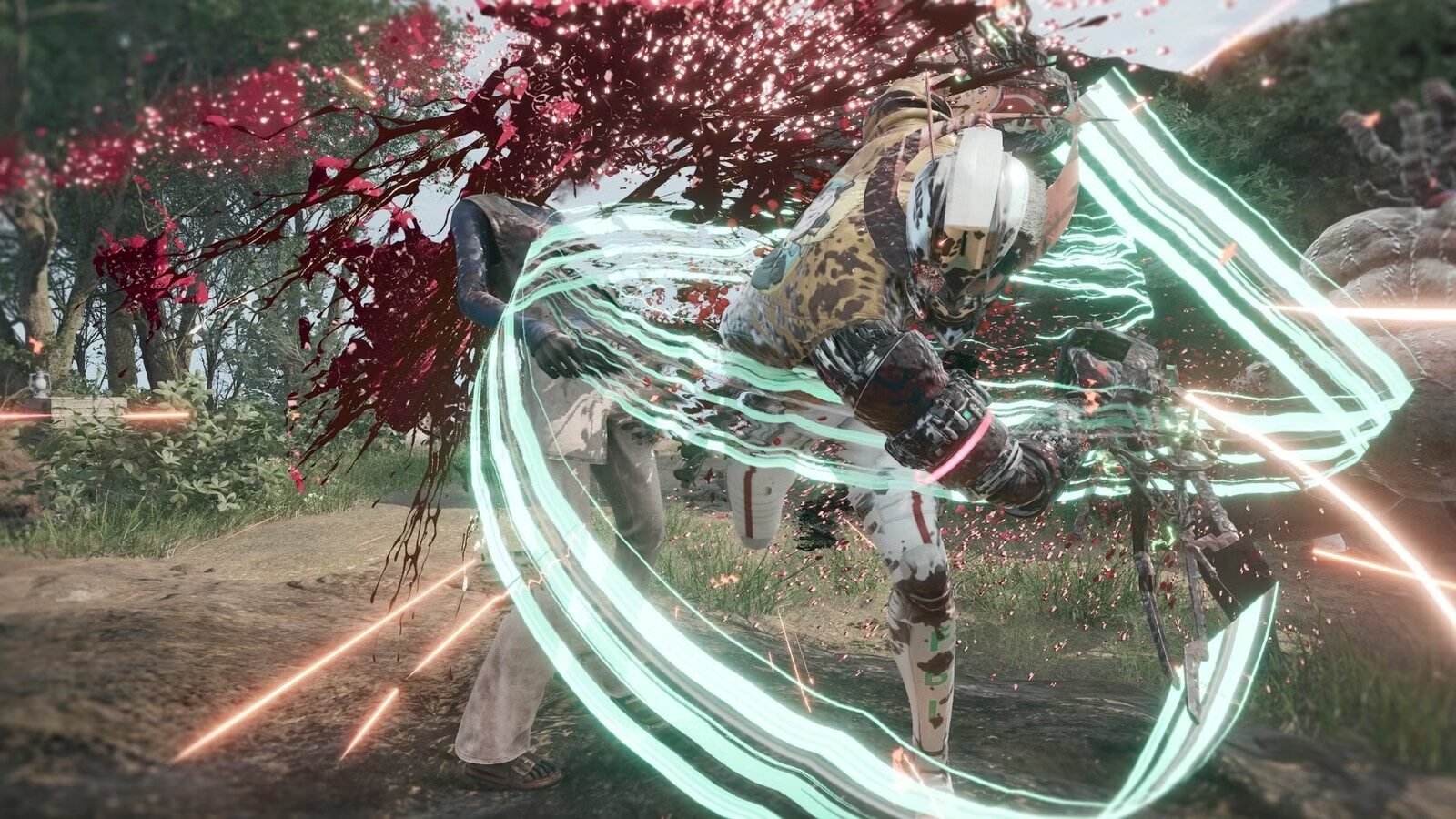
How does ROMEO IS A DEAD MAN fit into Kill the Past? And has how you think of the “series” changed over time?
Suda: During this promotional tour, we’ve had a number of people ask us about the Kill the Past series, and use the term series. For me, a lot of the games I made, I hadn’t really been conscious at the time about, “Okay, this is part of a series.” I hadn’t really thought of it as a cohesive series until a few years ago, when we did Travis Strikes Again. There, we purposefully took a bunch of stuff from our past games, what people would consider Kill the Past series, and stuck them all in there as a way to celebrate our 20th anniversary as a studio.
Around that time, a lot of fans started talking about the idea that this is all one universe and these games are connected. This time, we’ve done something similar, a lot of callbacks to past games, in ROMEO IS A DEAD MAN. So in that context, I’d say ROMEO IS A DEAD MAN is part of Kill the Past.
For where the game fits in Kill the Past, I wasn’t really thinking about how much of a part of the universe it would be during the writing process. But there were a couple of things that came up.
One thing is that one of the people we brought on to write part of the game was Masahi Ooka, who a lot of fans probably know is the guy who wrote the Placebo scenario for The Silver Case. I wanted to have him come back and write scenarios for ROMEO IS A DEAD MAN, and if I’m going to have Ooka write part of my game, that means the character Torio Morishima is going to be part of it as well.
So from the very outset, I was like, “Okay, he’s part of this game.” But in The 25th Ward, Torio dies. At first, it was kind of an issue, but then I thought, “You know what, screw it.” Like, okay, he died in that other game, but why can’t we bring him back in this game anyway? In this game, he’s alive as a journalist. And it’s not just Torio, there’s a couple of other characters too. Through the use of several characters who didn’t really have anything to do with the whole space-time-travelling thing, we use those characters in ROMEO IS A DEAD MAN to tie the game together as a Kill the Past game, without leaning too much into it.
At one point, I was actually considering just straight-up naming this game Kill the Past. We were trying to think of a name, and that was suggested. I thought, you know, thematically it really does kind of fit the game. But, in the end, we made the decision to go with something else, mainly so that people didn’t think this was the “definitive” entry of the series.
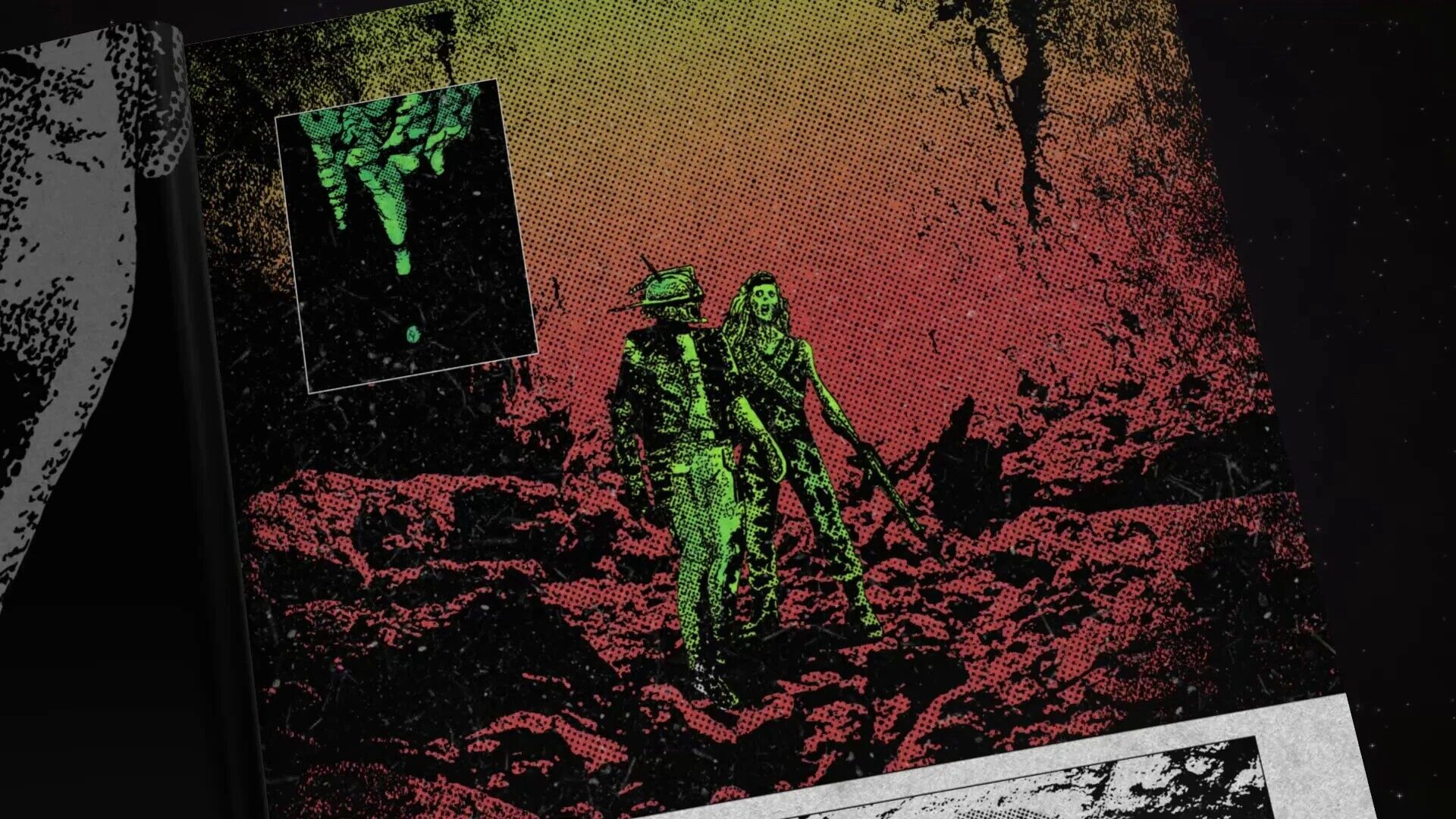
As a creator, you’ve built up this very iconic, well-known style. People see a “Suda51” game and have an idea of what it is. I’m curious, how do you feel about that? Does it feel challenging or constricting, or do you see it as an opportunity to break expectations?
Suda: I feel a bit of both. Like you said, people have this image of what a Suda game is going to be, what the style is going to be, and I feel like I sort of need to answer those expectations.
But at the same time, I want to keep making new things, and I want to surprise people. Like “You probably expected this, but check this other thing out.” A while back, when we did the announcement trailer for State of Play, I was pretty sure, at some point, people would start being like “Oh, this is a Grasshopper game, I get it.” And we were surprised because we were watching the livestream and comments, and within about 10 seconds, even like literally two or three seconds, people knew it was Grasshopper, it was a Suda51 game. How the hell did you know that? How did you pick up on that so quickly, you know?
We were really surprised that people picked it up that soon, before any of the really Grasshopper stuff — not in a bad way. So that makes me think, I guess, somehow there’s just this vibe that we put out that people pick up quickly. It makes me think, for our next game, what can I do? Because I do want to surprise people. For our next game, what can I do to not let people down, but at the same time surprise people? It keeps me on my toes thinking about that.
You’ve previously talked about self-publishing ROMEO IS A DEAD MAN. But this close to release, what has this experience taught you? And what would the success of this game mean to you as a studio?
Suda: We’re actually still in the middle of learning a lot about self-publishing. Just looking at Slack right now, it happens all the time. I’m seeing all these messages from staff who are working on publishing. And we’re having to do a lot of stuff we never had to do before. I’m looking at all these messages, like “Oh, hey, this came up. What do we do about it?” It’s the kind of stuff publishers always dealt with for us. For example, PlayStation tells us to do this one thing, and Microsoft says do this specific thing, all these different regulations. We’ve learned a lot, and we’re still in the process of learning. Every day, something new comes up.
As you mentioned, this is our first time doing self-publishing. And it was relatively recent that we decided it was going to be self-published, in November, I believe we decided. Even up until partway through November, we were actually still talking to a lot of publishers. There were a couple of publishers that we were getting into pretty deep talks with. For lots of different reasons, none of them panned out.
But right around then, basically, I felt like NetEase [Grasshopper’s parent company] gave us an opportunity to try this on our own. And we said it’s about time we learned all this stuff. So it was decided relatively recently, and having that decision be made so late in the game, as far as production schedules, it’s been a real challenge. But it’s a challenge I’m glad we’ve taken.
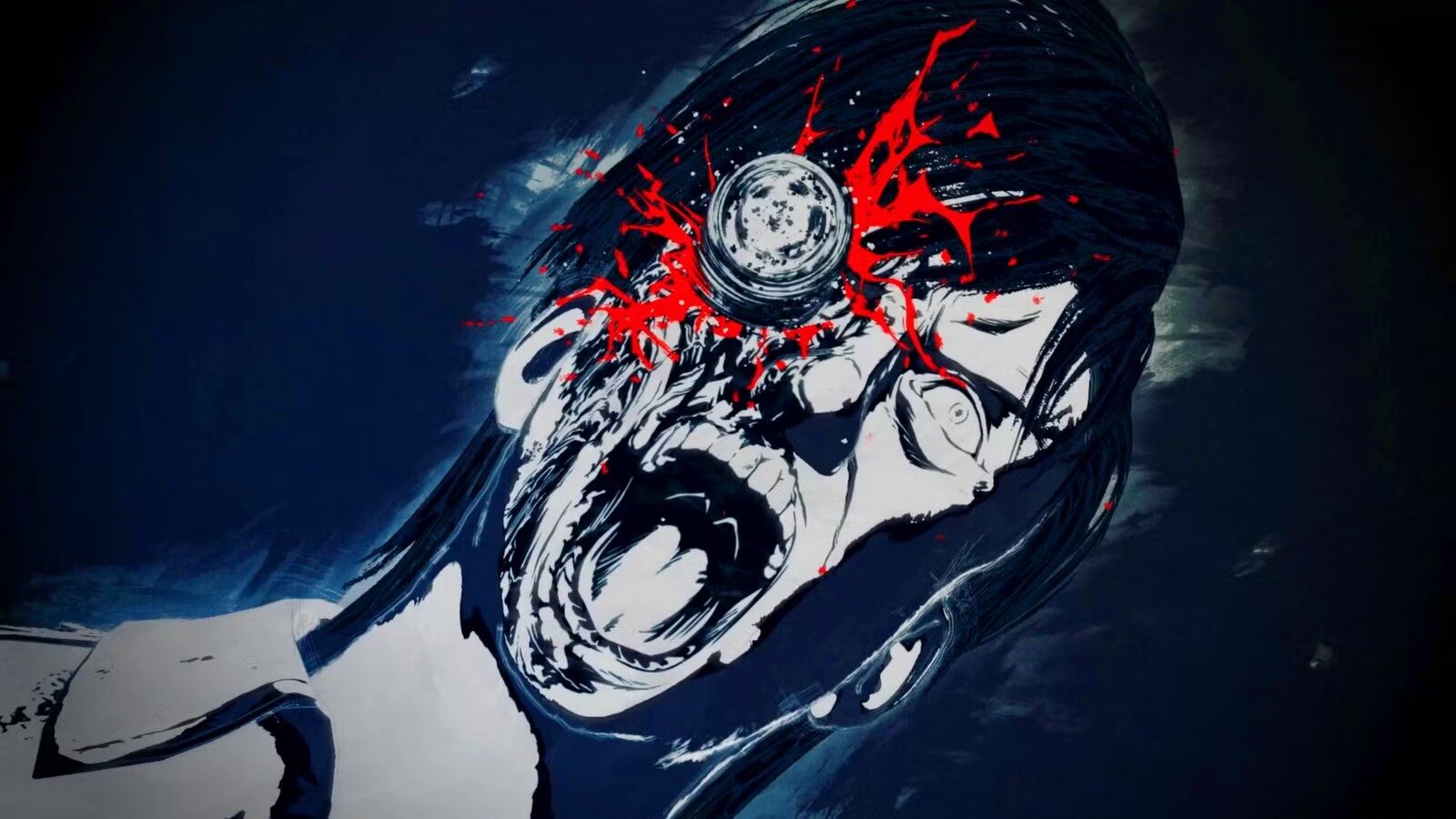
A lot of people feel like action games are having a resurgence, with titles like Ninja Gaiden, Phantom Blade Zero, Crimson Desert, etc. Given your experience, what do you think is the essential element of action games? What makes an action game succeed in today’s industry?
Suda: Personally, I’d say what makes a good action game is how comfortable and good it feels when you use the controller and put in different button inputs — how the character responds to that input. How smooth the controls are. I hit this button, and you see it right away on the character.
That’s probably, for me, the pinnacle of a good action game. Just having that smooth, comfortable sense of, “Okay, this is doing exactly what I wanted to do, how I wanted it. These buttons are there, and it’s just smooth, intuitive, and works right.” That’s something I always put a lot of effort into when making an action game, and I do a lot of adjustments and tweaks to make sure it’s fun and physically comfortable. Making sure it’s as intuitive as possible when the player is hitting buttons and watching their character is extremely important.
I know you’re a huge Gundam fan and how it’s inspired your work, and I also know you’ve been asked about Gundam countless times. But for something a little different, I’m curious, is there a single Gundam series that you think is the quintessential example of the series?
Suda: It would have to be Char’s Counterattack. I’ve thought about this before, and it always comes back to Char’s Counterattack.
Originally, Char’s Counterattack was supposed to be a TV series, and then last minute they decided they were going to make it into a movie instead. So they had this big, long, complicated story laid out, and they had to, somehow, compact it into like two hours instead.
For me, Tomino [Yoshiyuki Tomino] equals Gundam. And the way he took that whole long series worth of stuff and compacted it into two hours — when you watch the movie, every single scene has meaning to it. There’s nothing wasted, no filler. Everything just feels to me like this is exactly what Gundam should be; it’s the most representative piece of Gundam I can think of. The way he got everything together and made it flow so well, didn’t waste any time or dialogue or anything, blows my mind.
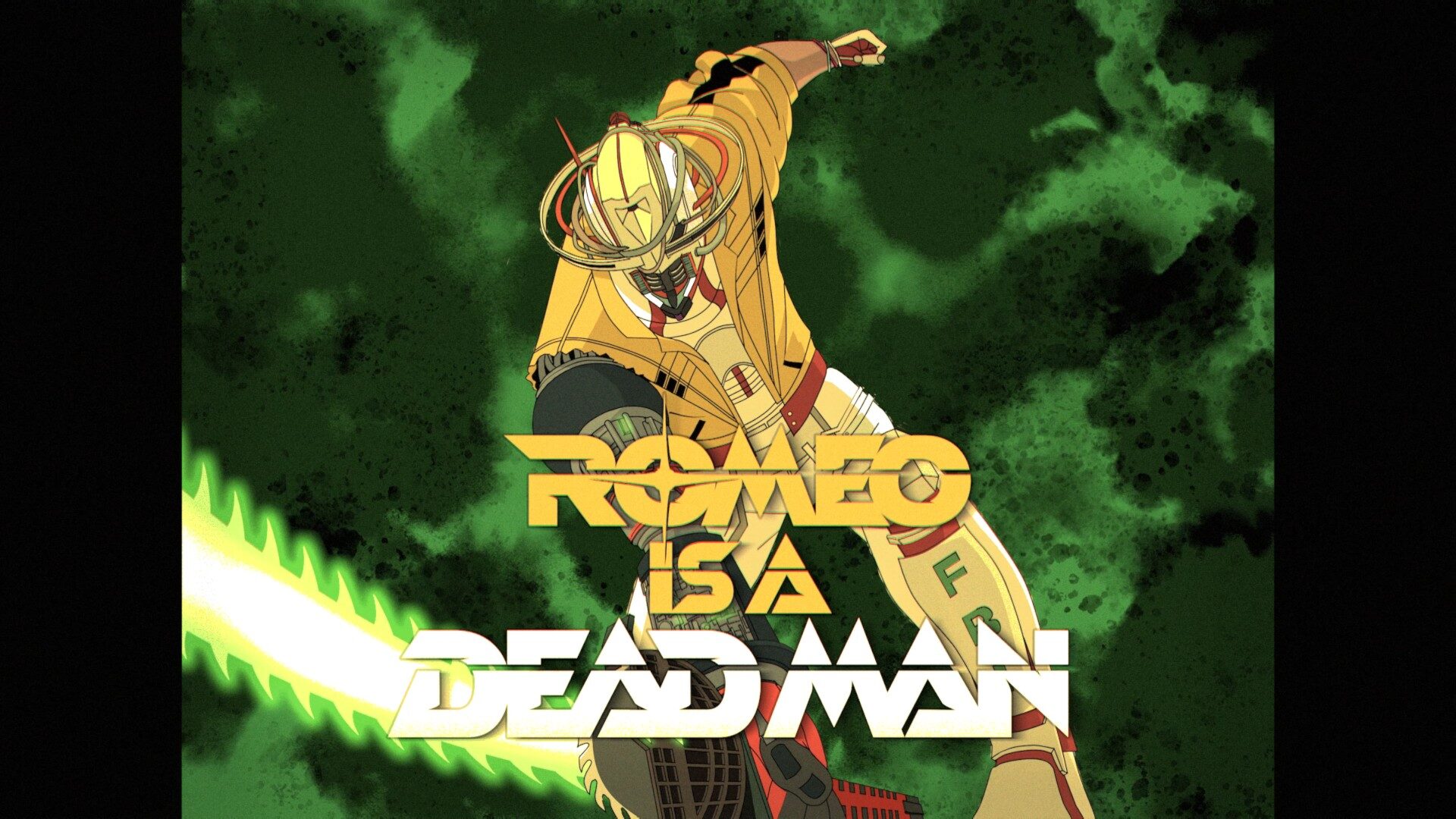
ROMEO IS A DEAD MAN launches on February 11 for PS5, Xbox Series X|S, and PC.