
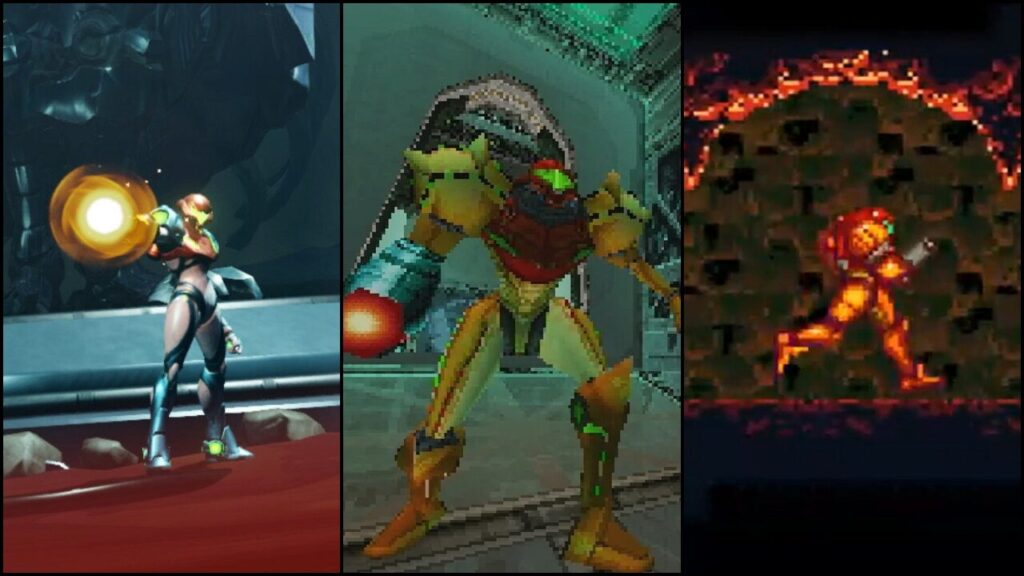

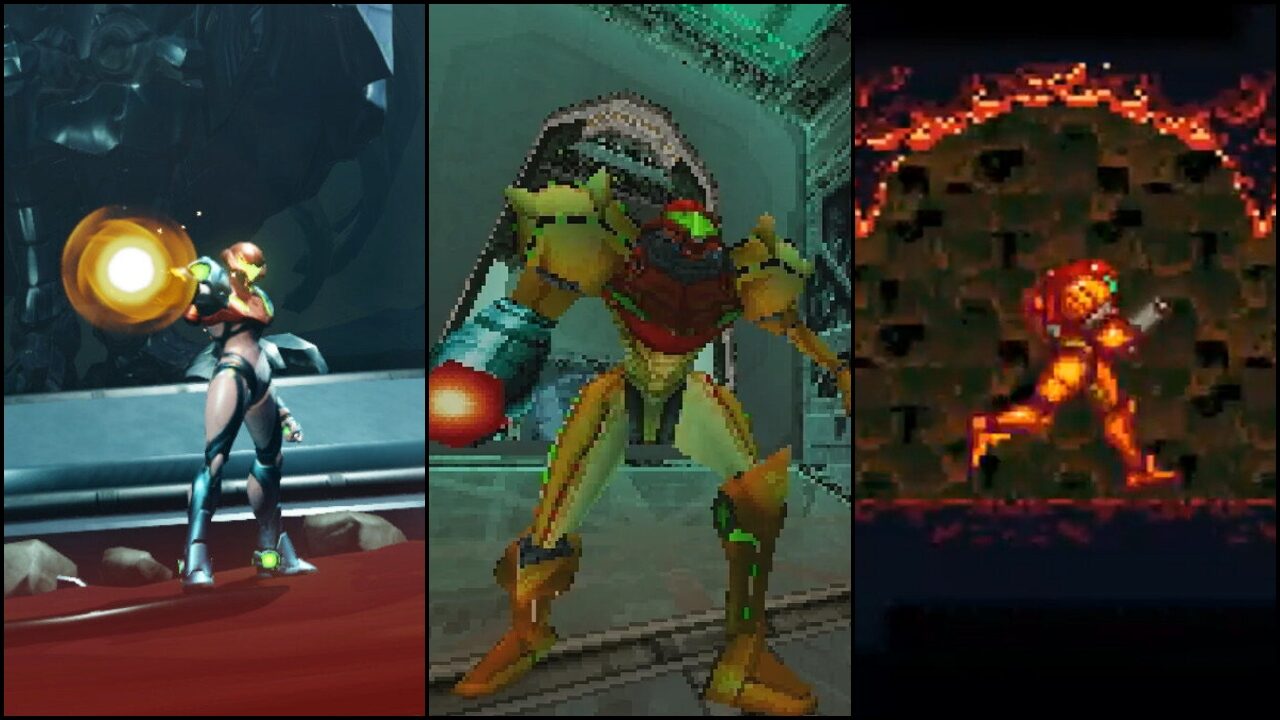
With 2025 in the rear-view mirror, and we enter the new year, I wondered how best to approach 2026. Obviously, it should be with a hotly contested list of my opinions—whatever they’re worth. This year sees the anniversaries of several game series, and one that stood out to me was Metroid, which will be 40 years old.
Metroid may be my favourite game series of all time, and hot off my review of Metroid Prime 4: Echoes, I couldn’t just wait all the way until August to take a good, hard think about the entire series and how they rank from worst to best—in my humble opinion. So to kick off the new year, here’s my ranking of every Metroid game. Keep in mind, I still think all of these games are mostly good, and there’s no truly bad entry in the series.
Now, for the purposes of this list, I wanted to focus on the “mainline” entries within the Metroid series, and putting in the spinoffs or obvious quality improvement remakes felt somewhat perfunctory—Metroid: Zero Mission is better than Metroid? Get out of town! However, I wouldn’t feel right calling this a ranking of every Metroid game without at least mentioning these games, and to that end, the honourable mentions will also be arranged from worst to best.
11. Metroid: Other M
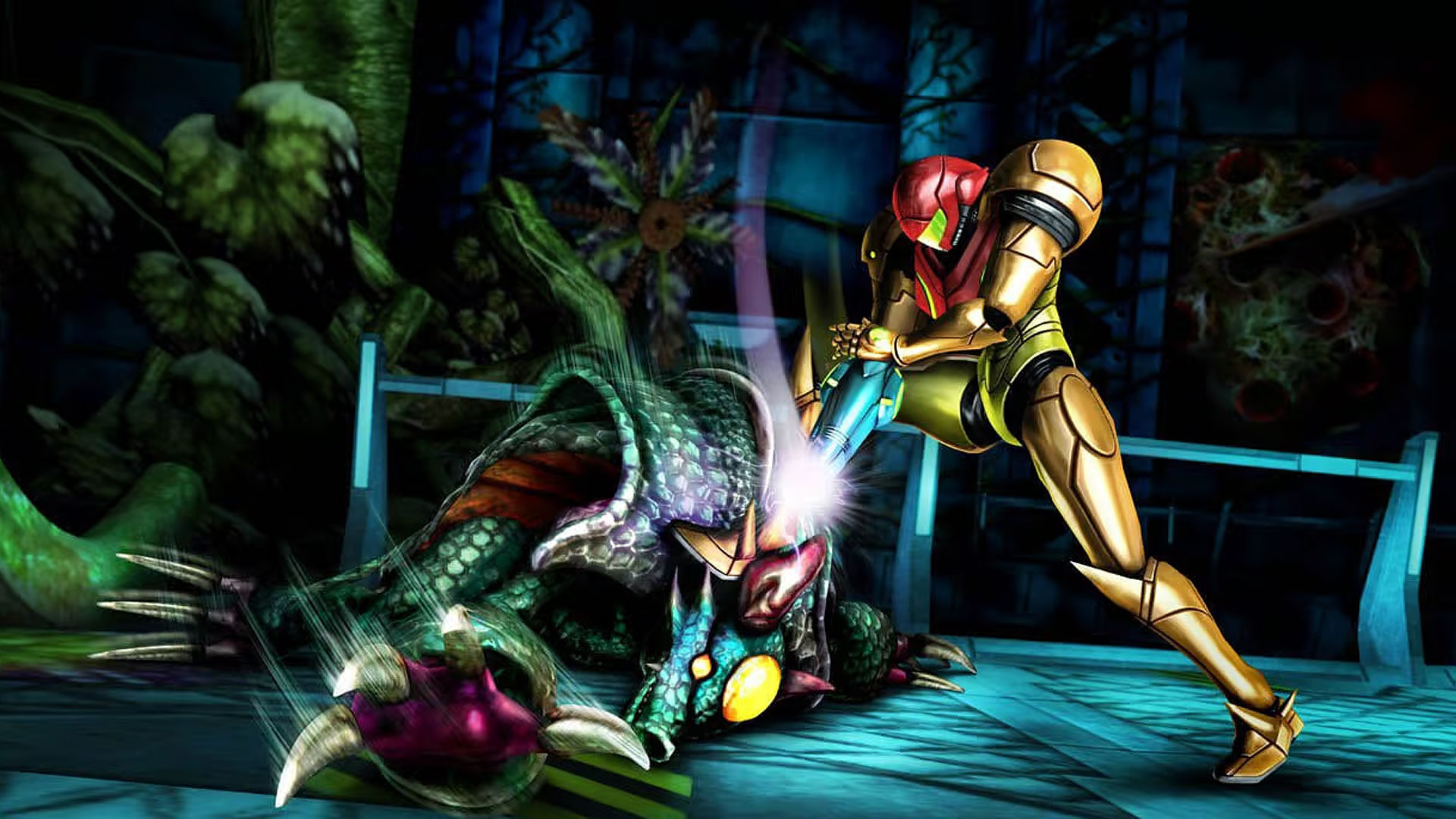
Metroid: Other M being dead last may not be a surprise to most people who have played it. Easily one of the most divisive games in the series, Metroid: Other M did a lot of things right, and a lot more WRONG. Team Ninja’s approach to the Metroid formula made the game feel much more open and action-focused while still maintaining the exploration and atmosphere that defined the series—in some ways, it almost feels like Ninja Gaiden by way of Metroid.
However, the game’s more linear structure, which attempts to tell a deeper story and give Samus a voice, is what causes the game to unravel at the seams. The story reduces Samus to an emotionless cypher who can’t even use her own abilities because a big, strong man didn’t tell her to—this is Other M’s way of having players find upgrades.
Not only that, it establishes a murder mystery plot that goes absolutely nowhere, and borrows elements from the Metroid manga without understanding why they worked in the first place. In the end, you’re left with a game that’s got some neat ideas and is genuinely fun to play, but isn’t very good to experience.
10. Metroid Dread
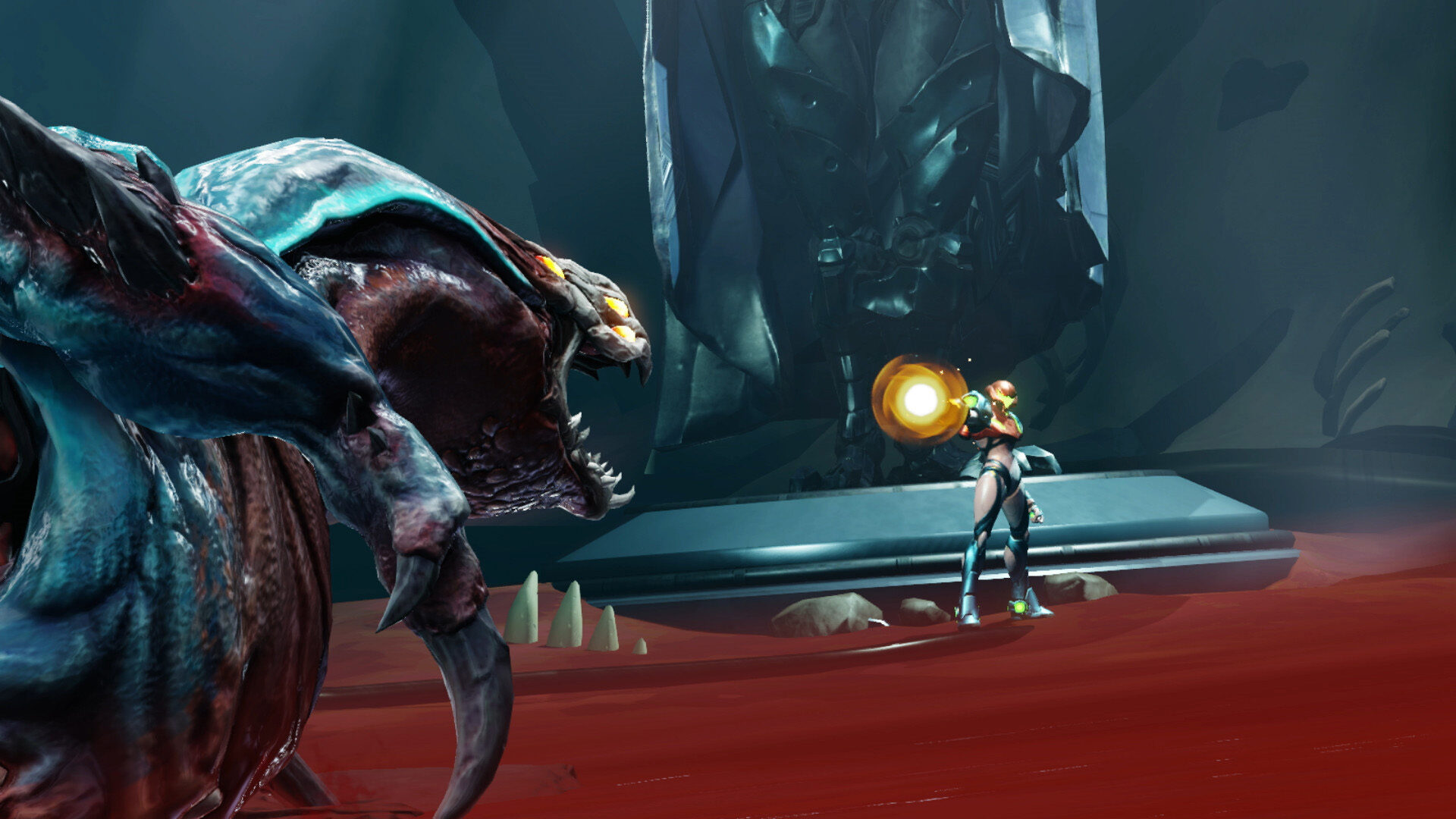
This might seem like placement for rage clicks, but just hear me out. I genuinely LOVE Metroid Dread. It’s a tight experience that has some genuinely tense moments and is a blast to run through. But that’s partially my problem with it—you kind of just run through it. To me, Metroid-likes (Metroid games specifically) are defined by exploration. They’re meant to present you with locked doors and encourage you to stray from the beaten path to find keys.
And to its credit, Metroid Dread kind of does this. However, upon repeat playthroughs, I’ve come to notice just how linear it feels. How it constantly stops you with Navigation Rooms to point you in the right direction and send you there. While there are some ways to sequence break and players are rewarded for doing so (i.e., the secret Kraid finisher), it’s just a far more straightforward Metroid experience than I would’ve liked, especially for a 2D-styled game.
9. Metroid Prime 4: Beyond
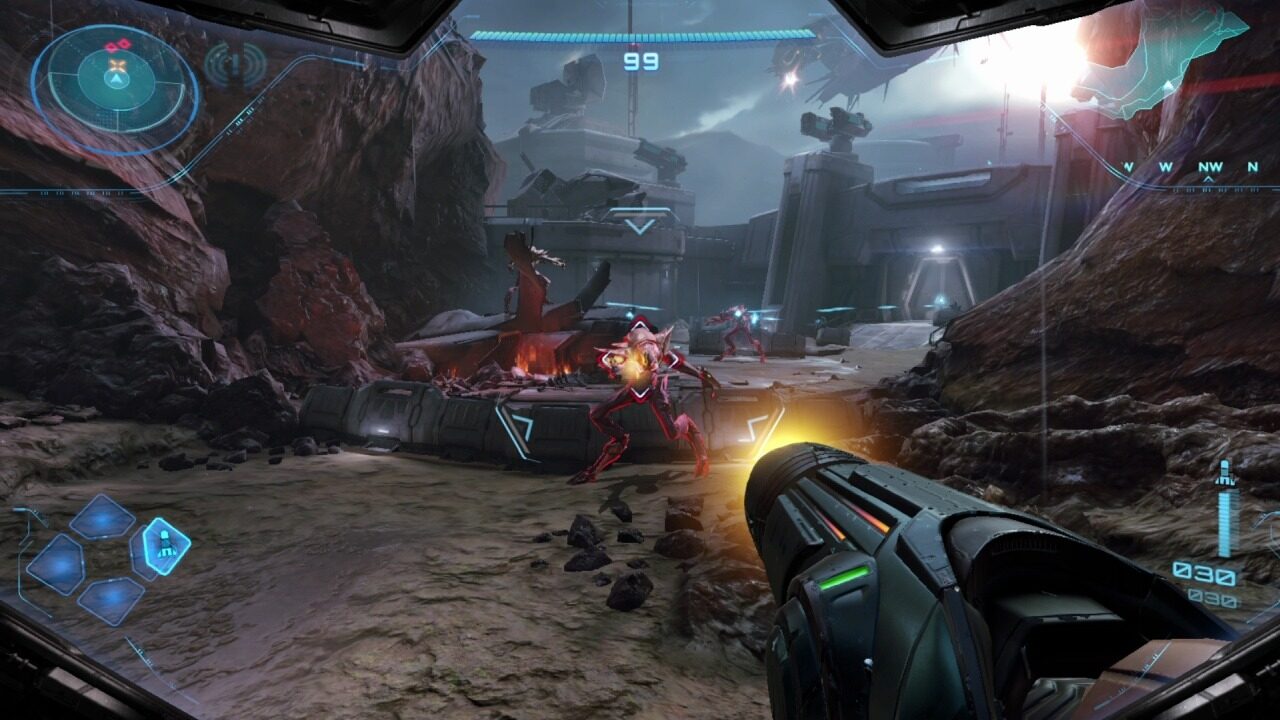
Speaking of linearity, if you’ll recall my review of Metroid Prime 4: Beyond, you’ll remember that was my biggest bugbear with the game. There was a lot to like about the game, and one can even forgive some of its design decisions if you compare it to a different game in a relatively different genre—namely, The Legend of Zelda: Ocarina of Time. There’s a lot I really loved about Metroid Prime 4: Beyond, and its low placement on my list doesn’t mean I think it’s objectively bad.
However, it also doesn’t really feel like a Metroid game, and that’s kind of an important thing to not get right. So many of its decisions feel like half-consessions, and, like I said in my review, a different design ethos is fine for a Metroid game, but it needed to commit the whole way. Metroid Prime 4: Beyond is an incredibly fun and highly playable FPS, but it’s only a sub-par Metroid.
8. Metroid
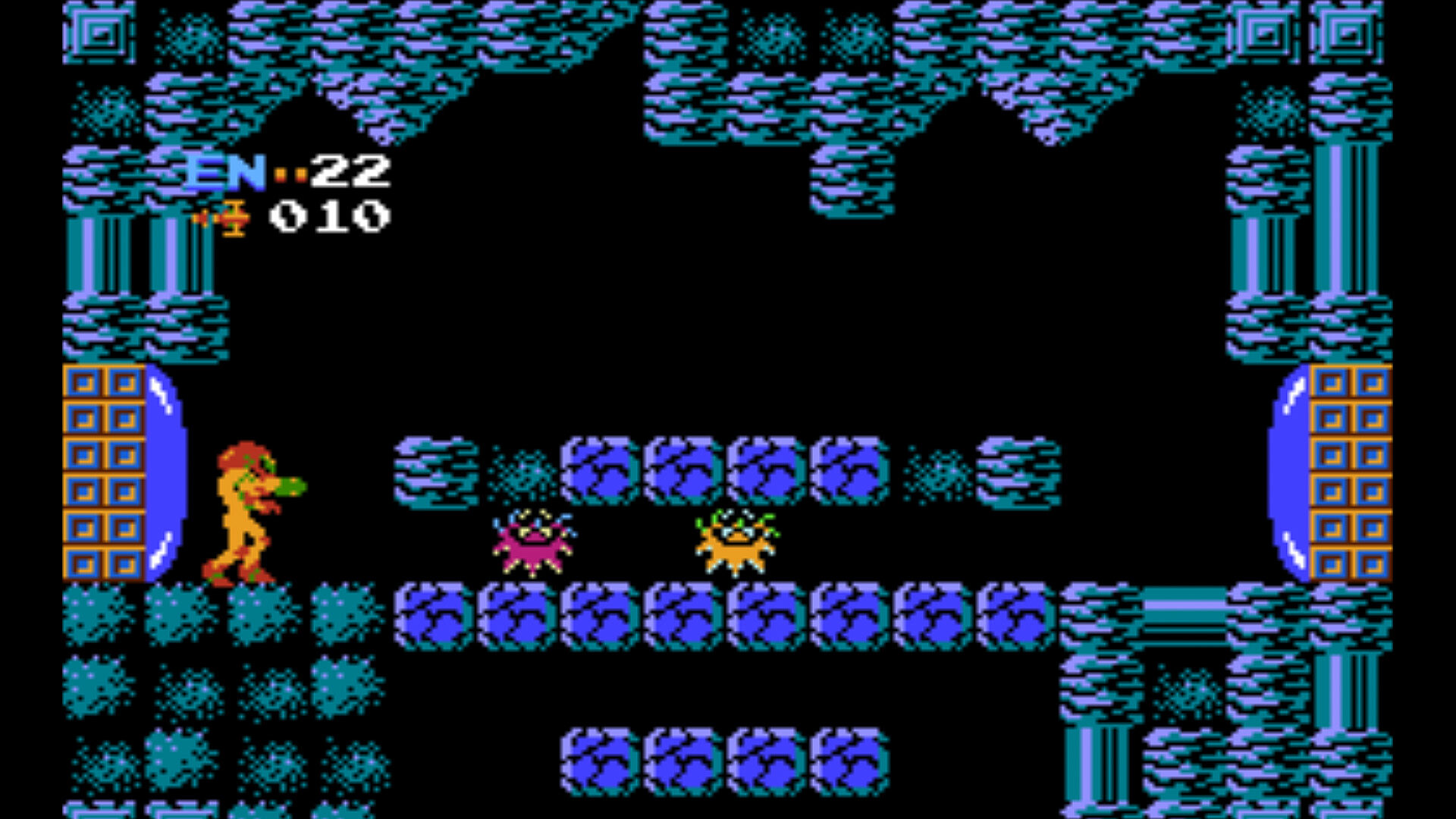
It might seem controversial, and even blasphemous, to put the game that started it all this low on the list. Metroid deserves all the credit it’s owed for essentially creating a genre and being as bold and big as it was on a console like the NES back in 1986. At the time, what it was able to achieve was genuinely revolutionary, and it did give us one of the first female protagonists in games.
However, I think there’s a good reason most gamers, or even most Metroid fans, either haven’t played Metroid or just don’t enjoy it. The original Metroid is a SLOG to get through. It’s genuinely unintuitive, it doesn’t feel good to play, and it’s borderline unapproachable without a walkthrough (or a subscription to Nintendo Power, back in the day). Metroid is an amazing game, but it’s also a bad game.
7. Metroid II: The Return Of Samus
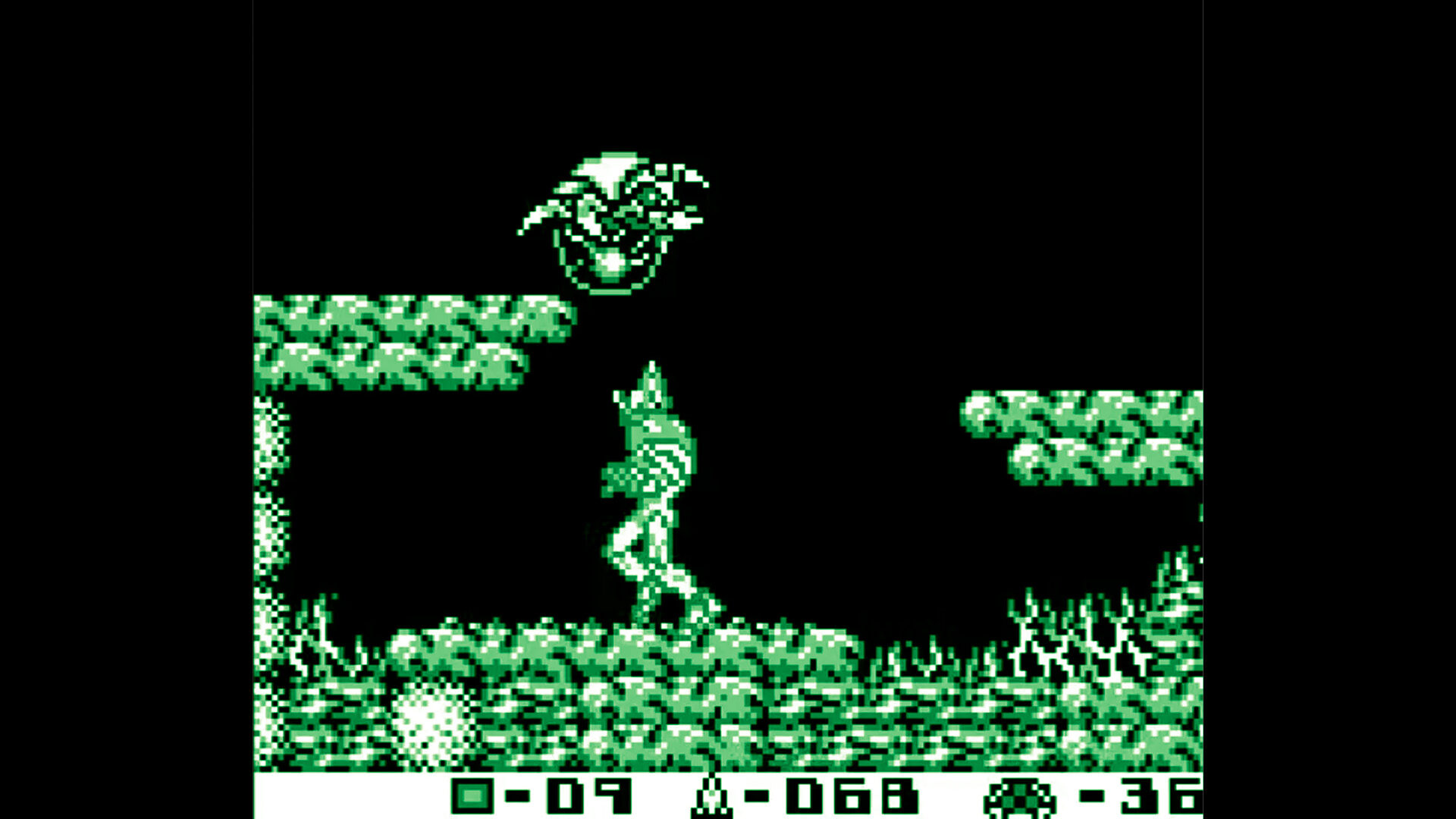
Similar to the game that came before it, Metroid II: The Return of Samus is a game that benefits from its innovation, but suffers—in hindsight—from the technology that holds it back. As the first Metroid on the Game Boy, its size and scope are genuinely impressive. It’s also one of the best-looking games on the system, since, as a black-and-white console, Samus needed to be more defined to communicate suit upgrades.
However, because of the limitations of the Game Boy, it was also a bit more janky to control, and was designed to be a much more linear game. The world of SR388 isn’t particularly memorable—again held back by its system—and the fact that every boss/miniboss is just a Metroid, while cool in terms of lore, does kind of get boring after a while. While there’s no denying it was groundbreaking, it’s not a Metroid I would actively revisit.
6. Metroid Prime 3: Corruption
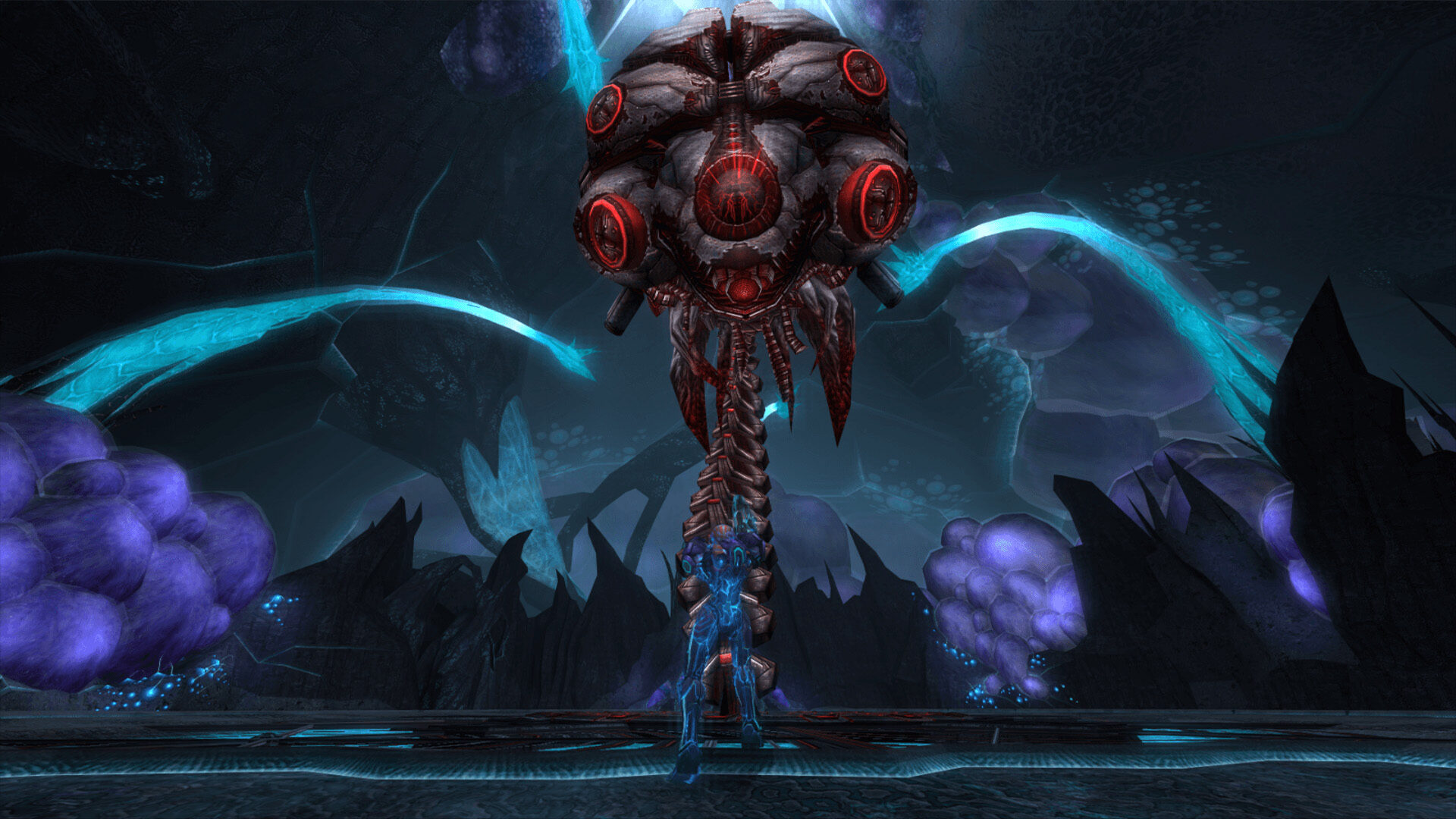
Metroid Prime 3: Corruption had some pretty big shoes to fill, as both the defining Metroid game on the Nintendo Wii, and the final chapter in the Phazon saga of Metroid Prime. And while I think it’s safe to say the game is held back only slightly by some mandatory Wii gimmickry, it also had a lot of really fun ideas that make it one of the better examples in the entire Metroid series.
Of all the Metroid Prime games at the time, it was the first to feel truly expansive. It had a bigger narrative, with voiced characters and higher stakes. The way it took place over a collection of planets maintained the series’ sense of exploration, while blowing it up to a galactic scale. The inclusion of other Hunters also built on ideas from Metroid Prime: Hunters and made Samus’ world specifically feel more alive. And credit where it’s due, the Wii Remote genuinely did make the combat the best in the series.
Also, basically starting the game with a Balrog-esque falling battle against a Phazon-corrupted Ridley was just the cherry on top.
5. Metroid Prime: Hunters
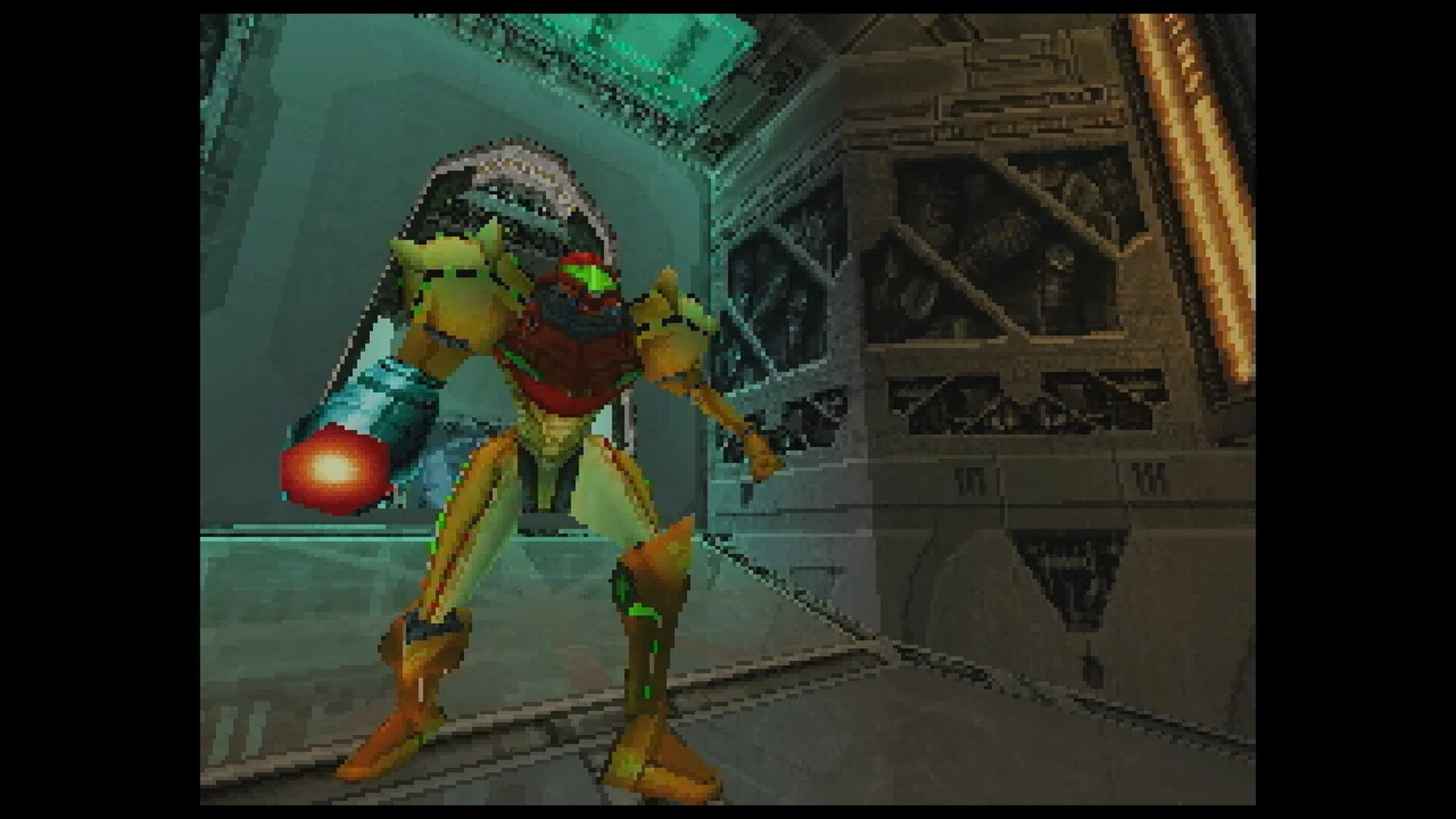
If you didn’t grow up with a DS, then you might not understand what a monumental deal Metroid Prime: Hunters was. As a game, it wasn’t really a lot to write home about—its story was a bit flat, and its gameplay was serviceable, but held back somewhat by its reliance on using the DS stylus and touchscreen for precise aiming.
But the fact that you could have a full-on FPS Metroid Prime in your pocket, that looked pretty good (for the time) and played pretty well? That was a genuinely impressive feat. Not only that, the game’s multiplayer was the real showstopper, offering seven characters each with unique abilities and playstyles. And if you were able to get it online, it was something really special. I remember I used to watch the opening cutscene over and over because I was so blown away by the visual fidelity it was capable of, and it always amped me up to play more.
4. Metroid Fusion
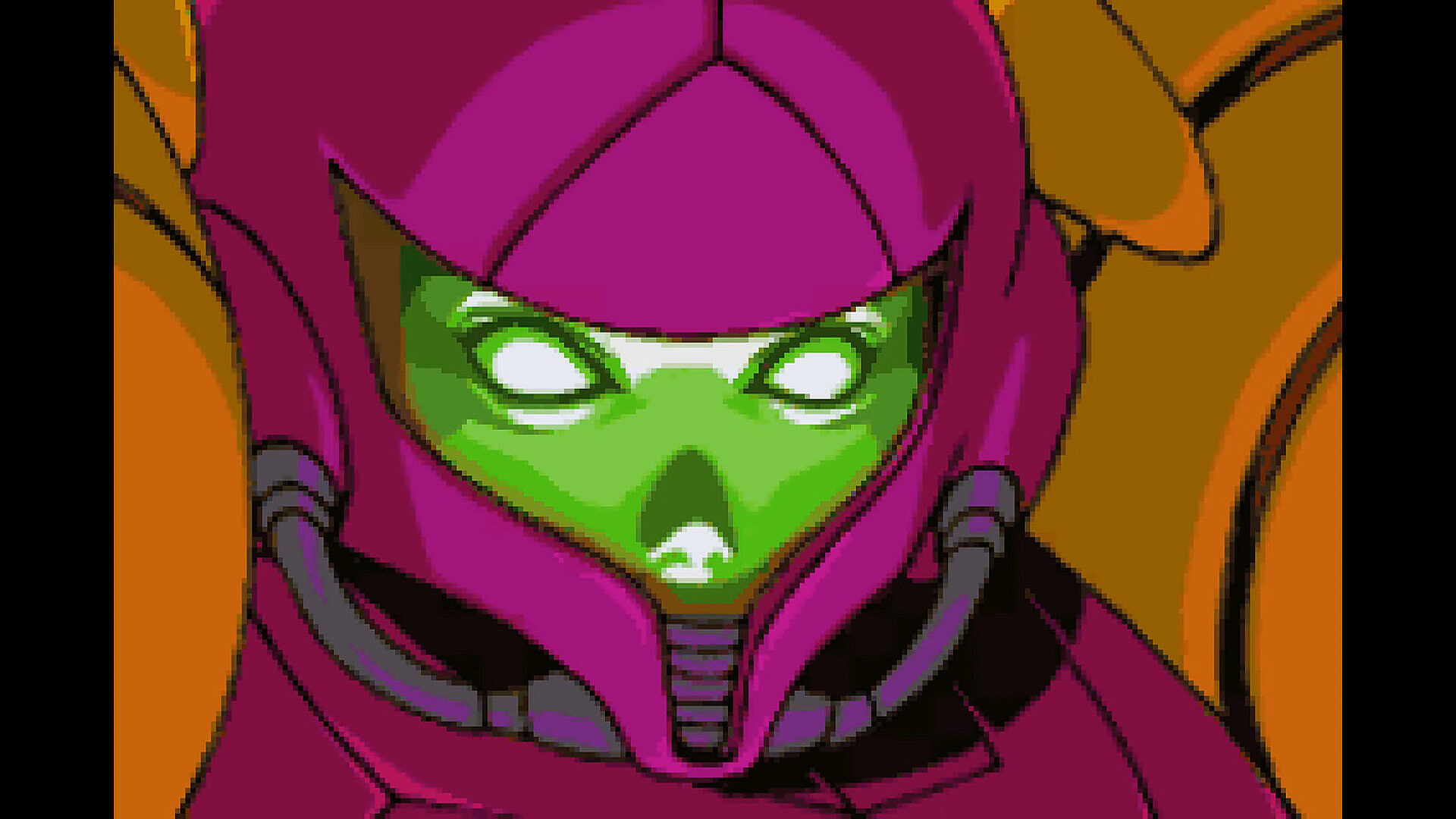
It may seem odd that I put Metroid Dread further down on the list than Metroid Fusion, since Metroid Dread is a direct sequel to Metroid Fusion, and the two games share a lot of the same DNA. However, while I do think Metroid Fusion is a bit more linear than the games that had come before it, what really elevates it for me is excellent ideas and outstanding atmosphere.
The introduction of the X-Parasite was a genuinely solid idea—playing on the idea of sci-fi horror films inspiring the Metroid series, this time around: The Thing. Fusing Samus with Metroid DNA added more depth to the danger, as now players had to be aware of both extreme heat and extreme cold areas. Bosses emulating the upgrade they gave you added a unique layer to the combat and made things a bit trickier, and above all else, who could deny the presence of the SA-X?
Though it’s easy to look back and write these moments off as scripted events, when you first encountered the SA-X, it was truly harrowing. Evoking moments from The Terminator, this unstoppable version of Samus would slowly enter the room as level music was replaced with eerie silence and the echoing of footsteps. If you didn’t hide fast enough, you were dead meat. It was tense, atmospheric and incredibly exciting. And the boss battle against the SA-X is easily the highlight of the game, culminating in a callback finale that is genuinely inspiring.
3. Metroid Prime 2: Echoes
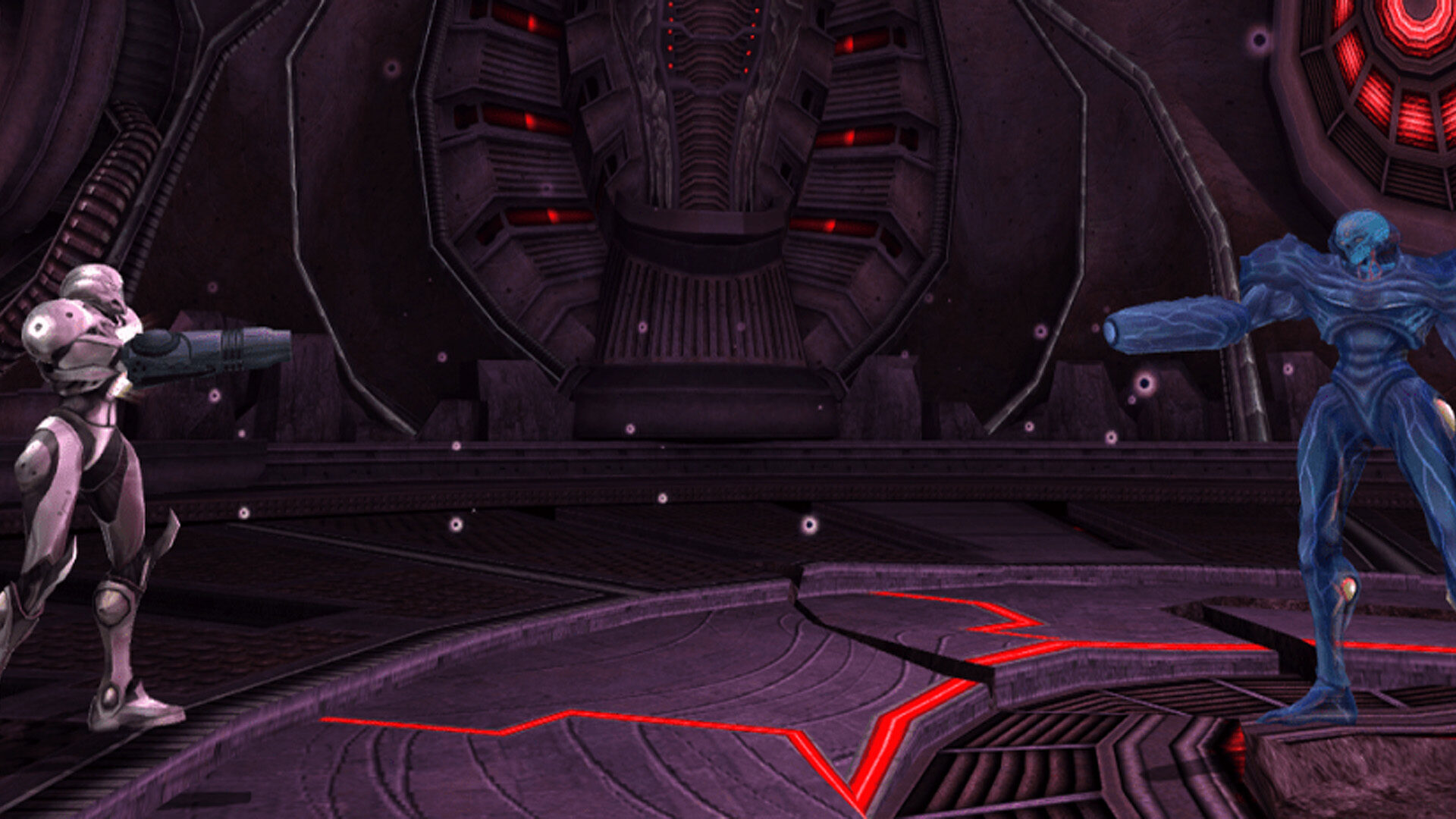
When Metroid Prime launched in 2002, it was hard to imagine how a sequel would top its level of quality. Metroid Prime 2: Echoes’ answer was to take the original and double it by giving it a Dark World. Jokes aside, the world of Aether genuinely felt larger than its predecessor, and moving between its Light and Dark worlds created unique challenges that made it feel even bigger.
It was the first to add a broader narrative to the series—something that was expanded on in Metroid Prime 3: Corruption. Streamlining Samus’ beams to a Light and Dark beam, making combat a bit more manageable without sacrificing complexity, moving through the caustic Dark World added a unique element of consideration to the exploration, and the introduction of Dark Samus provided an enemy that was similar to the SA-X in concept, but uniquely different in execution.
Not only that, but it was bold enough to work Samus’ iconic “Screw Attack” into the game, which deserves no shortage of praise.
2. Metroid Prime
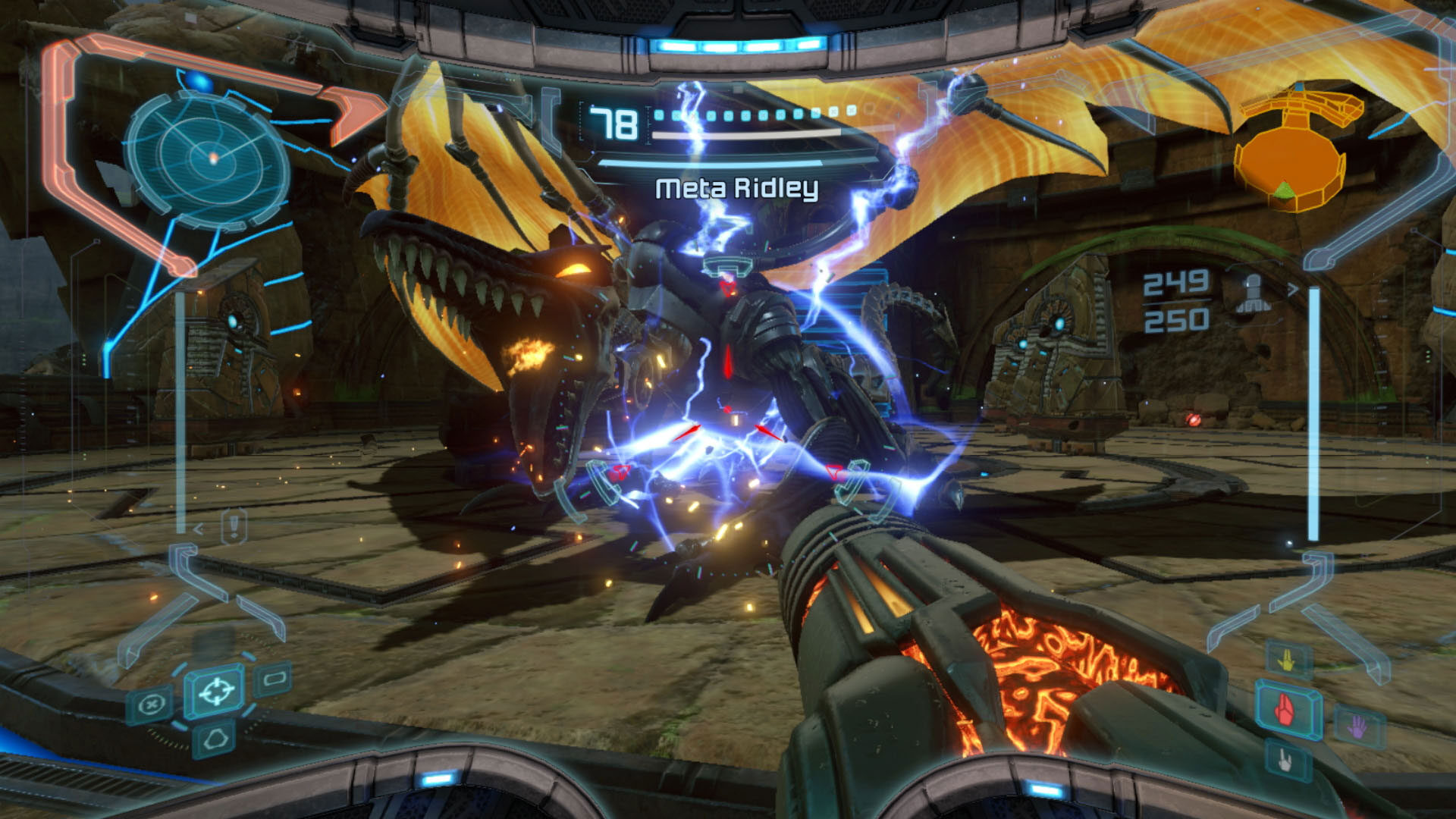
I know I praised Metroid Prime 2: Echoes for essentially being Metroid Prime but better, but for my money, Metroid Prime was the catalyst for something so amazing that it deserves the second spot on this list. I’ve said before, Metroid Prime is my favourite game of all time, and it’s not hard to see why. When it was first released, it honestly felt like witnessing a miracle. A game as big and complex as Metroid being fully realized in 3D as an FPS? It seemed so unreal.
It maintained everything that made its predecessor so amazing, but with so much more. Despite a certain degree of linearity, it prioritizes exploration and makes the world of Talon V feel expansive. Combat mixes Samus’ multiple beams and visors to add a lot of depth and complexity to it. It feels like the perfect blend of new ideas and callbacks to its predecessor that I often refer to it as a spiritual remake of Super Metroid.
For the first game of a relatively new studio, it’s amazing that Retro nailed it as well as they did.
1. Super Metroid
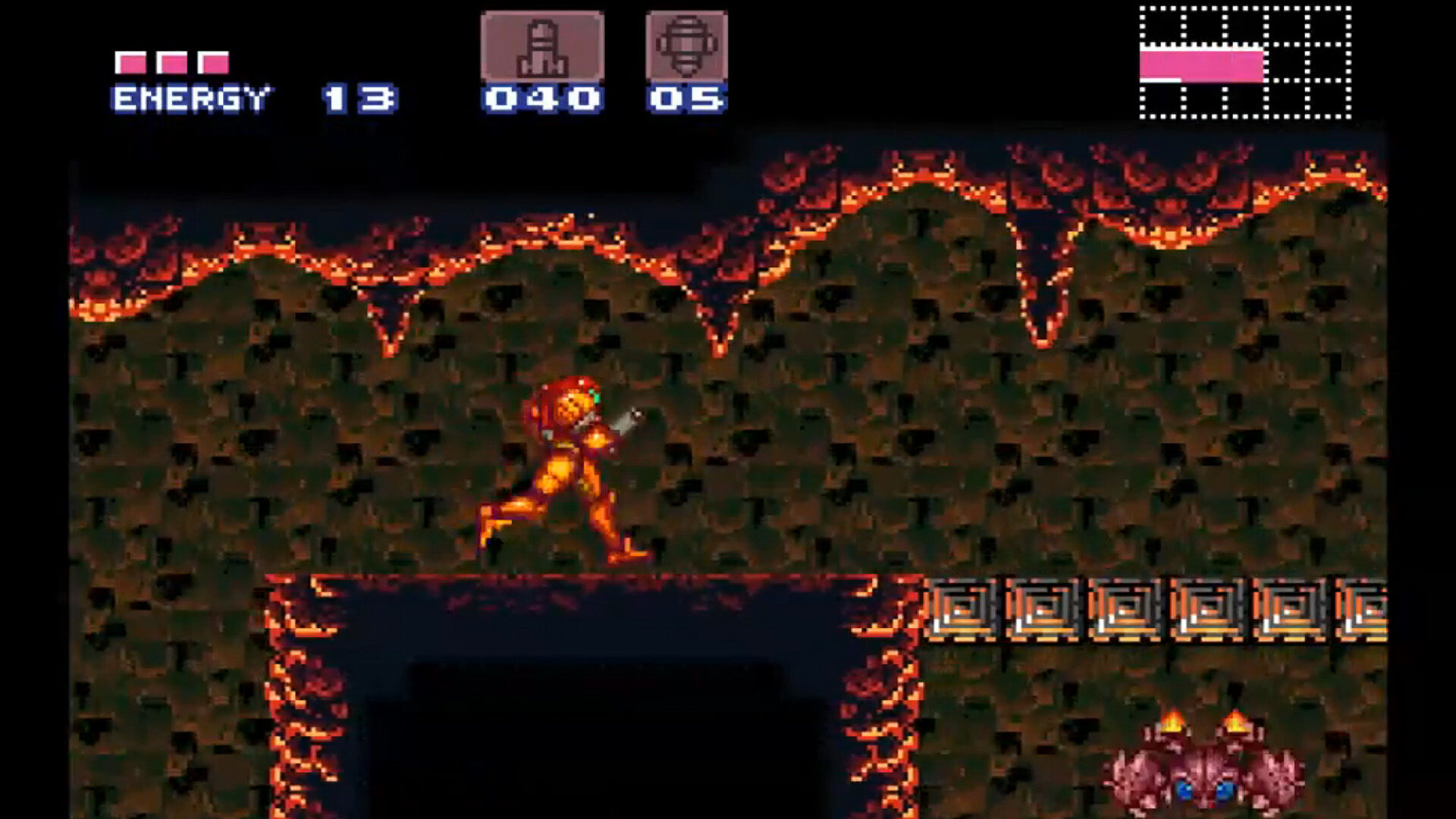
While Metroid Prime may be my favourite game within the Metroid series, there’s no denying Super Metroid is unequivocally the best. Functioning almost as a remake of the original Metroid years before Metroid: Zero Mission, everything about it, from its size to its tone, was unbelievably impressive.
The moment you hit start, and are presented with an eerie and tense soundtrack over an alien cry, shots of dead scientists lying in pools of their own blood, closing on the last remaining Metroid before the theme song hits, you know you’re in for something epic. Super Metroid is THE defining Super Nintendo game, showcasing everything the system was capable of and more.
It may be one of the best-looking games on the system, it feels incredible to play, and it gives the player almost everything they need within the game to complete it—no need for a Nintendo Power subscription. Its atmosphere is tense and foreboding, heightened by a soundtrack that is both haunting and exciting. It did everything in such an organic way, even teaching secret moves like the Wall Jump or Shine Sparking, which were communicated to the player within the game itself.
It’s a game so good that its most monumental scene, the death of the Baby Metroid, is considered to this day one of the most impactful moments in video games—all with no dialogue or fancy cutscenes. It’s a game I revisit almost every year because it’s so genuinely enjoyable as both a game and as an experience.
Honourable Mentions
- Metroid Prime Pinball – Kind of a DS rarity, this game is effectively the whole of Metroid Prime, but delivered in pinball tables with Samus as the ball. A lot of people wrote it off at the time, but it’s a genuinely fun pinball game with a lot of Metroid-themed gimmicks.
- Metroid Prime: Federation Force – This co-op multiplayer spin-off for the 3DS had a lot of really fun ideas, and some unique mechanics, but was universally panned by The Gamers
 essentially for having the name, “Metroid Prime,” but not being the “true” Metroid Prime sequel they had been waiting nine years for. But if you could get some friends (or online randoms) together, it was a fun little time, and Blast Ball was a genuinely fun FPS soccer game.
 - Metroid: Samus Returns – the ground-up remake of Metroid II: The Return of Samus not only made the game much more interesting and playable, but laid the foundation for Metroid Dread in a lot of interesting ways. It added a sense of style and cool to Samus’ second adventure that the original just wasn’t capable of.
- Metroid Prime: Zero Mission – a full-fledged remake of the original Metroid, this game utilized every good decision from Super Metroid and Metroid Fusion while adding so much more to Samus’ original adventure, as well as an epilogue that expanded the lore in incredibly interesting ways. It looked better, played better, and just was better.

Great post! It’s always interesting to see rankings of beloved game series like Metroid. Looking forward to hearing more about your insights for 2026!