


Arm versus x86 is a battle for the ages. And 2025 was meant to be the year that Arm chips finally made inroads into the PC and indeed PC gaming. That should have been thanks to Qualcomm’s Snapdragon X CPU, which looked very promising at launch and ought to have been getting into its stride this year.
That clearly hasn’t happened. And yet there are several unambiguous signs that the Arm revolution on the PC may well be imminent. Yes, for real this time. What’s more, modern Arm CPUs look very compelling on paper. When it comes to single-core performance, all the indications are that they are actually superior to x86. And single-core performance is particularly important for gaming.
Anyway, if the Snapdragon X has been a disappointment, that’s perhaps as much down to unrealistic expectations as it is any failings of Snapdragon X or Arm CPUs more generally. In other words, if Arm is to take a big chunk of the PC market, or even overtake x86, that is never going to happen overnight.
The emulation game
So, where exactly are we when it comes to Arm on the PC and particularly gaming on Arm? For now, Qualcomm is the only major player in Arm chips for the PC, though Apple’s M silicon is relevant, too, and Nvidia is literally just about to get in on the game, more on which in a moment.
Qualcomm’s Snapdragon X Arm CPUs for the PC were released in spring 2024 with some very bold promises regarding gaming performance. Undoubtedly, that gaming pitch from Qualcomm was a big mistake and set expectations that were never going to be met.
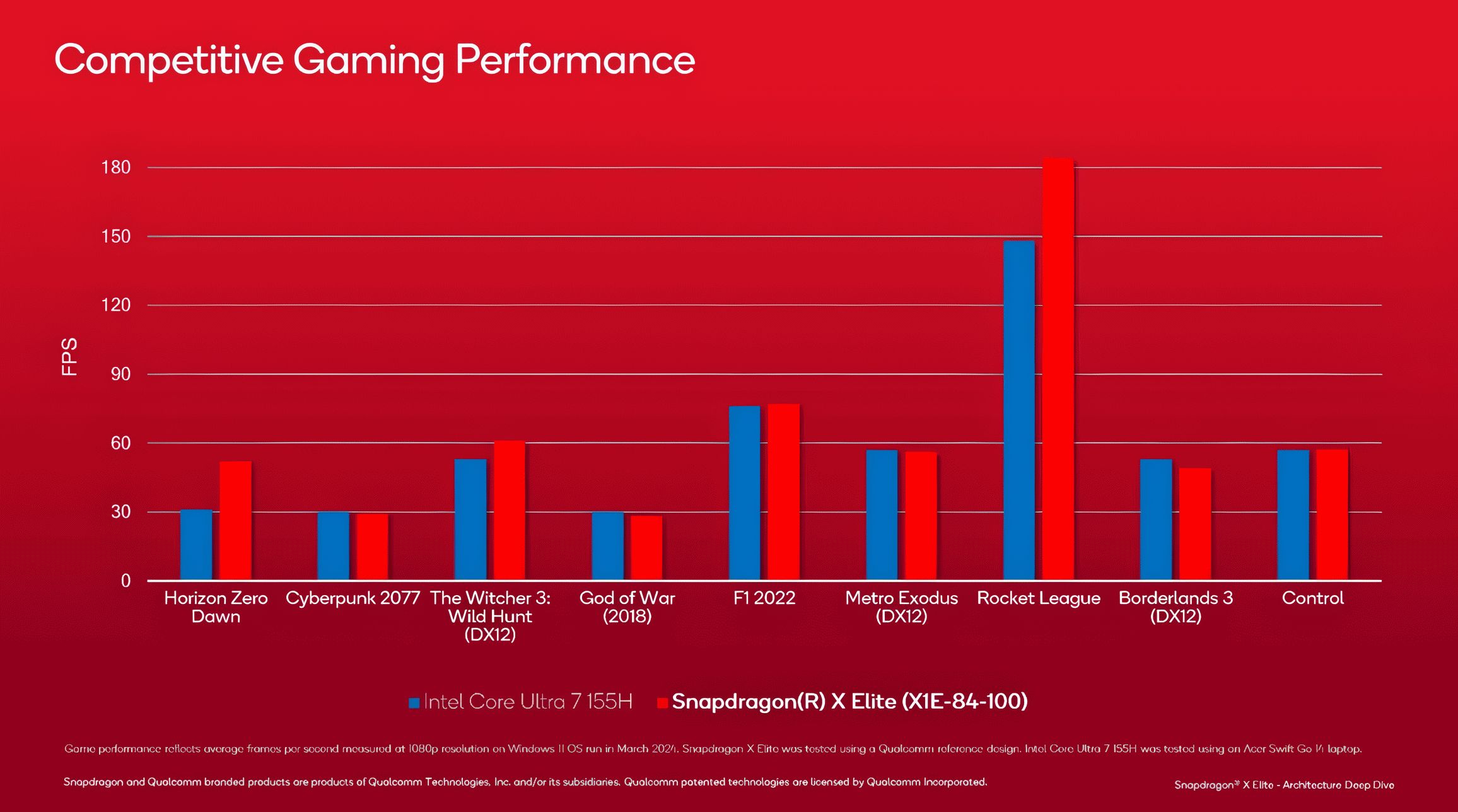
The problem was and is multifold. Firstly, and perhaps most importantly, there are very few proper PC games that are compiled natively for Arm chips. That means gaming on Arm PCs right now means emulating x86 code on Arm CPU cores.
That, in turn, means Qualcomm is dependent on Microsoft and its Prism emulation layer for Windows on Arm. The other major limitation is that Qualcomm’s Snapdragon X chips are essentially low-power mobile SoCs with integrated graphics.
To cut a long story short, the Adreno GPU in the first generation Snapdragon X chips isn’t terrible. But even by the standards of integrated graphics, it offers decent rather than remarkable raw rendering power.
Compared to proper desktop graphics, it’s nowhere, and that’s before you factor in support for modern features like upscaling and frame generation. Getting into PC graphics these days is a very tough gig. Just ask Intel.
Of course, that’s all theoretical hardware performance. In practice, the need to emulate x86 games puts a performance overhead on top and also means that you can’t just assume a given game is going to run, at all.
Windows on Arm upgrades
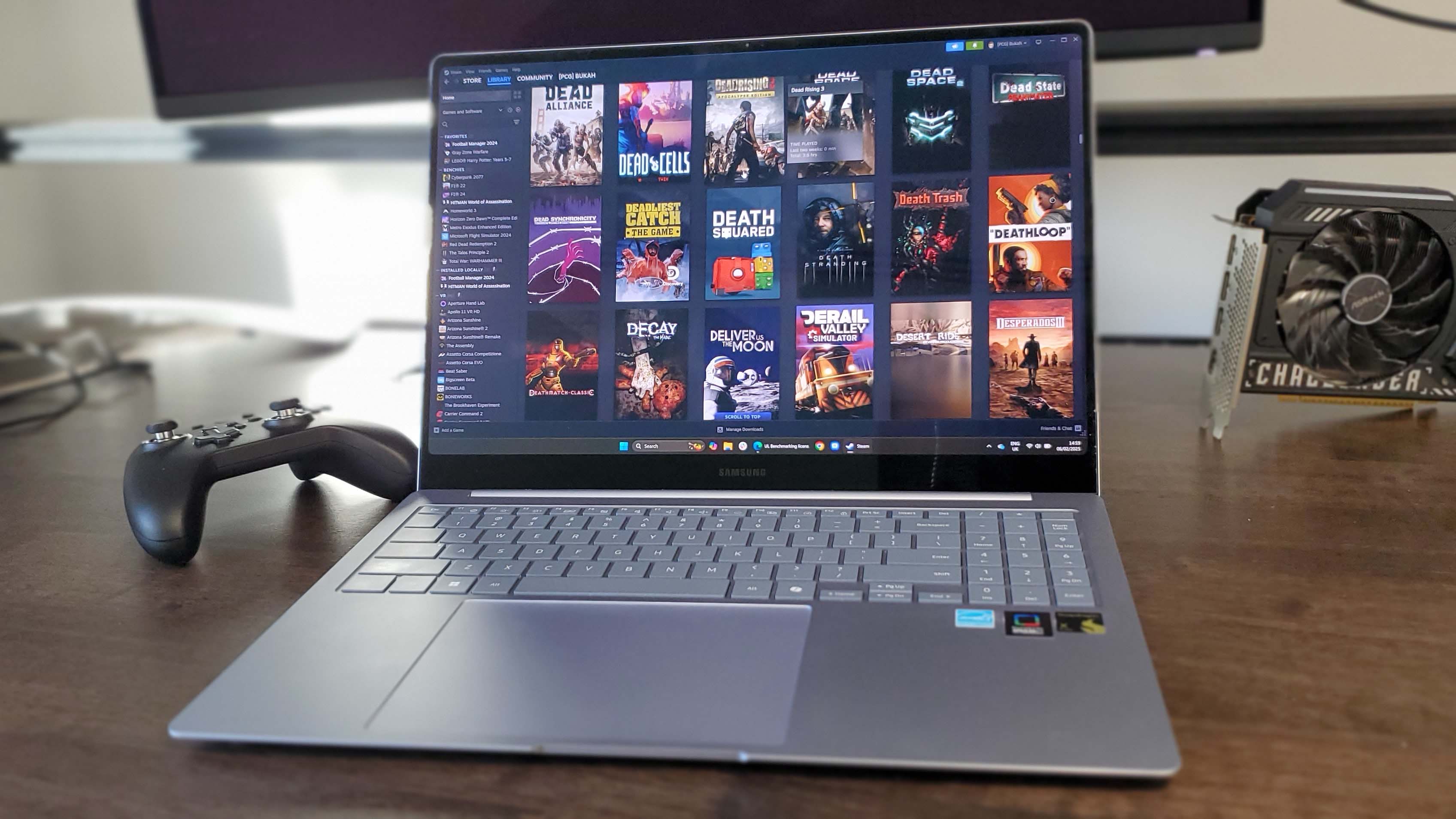
Early game support was duly very patchy. However, at the end of 2024, Microsoft released a major update for the Prism emulation layer which added in support for features like AVX and AVX2 instructions, which are used by some games and had been preventing some titles from running.
As we found earlier this year, the result is that most games will now run. But the experience remains patchy. There’s huge list of PC game compatibility for the Qualcomm Snapdragon X platform here. But what’s arguably most interesting is that even games listed as running “perfectly” can suffer from distinctly variable frame rates.
Microsoft has also added native anti-cheat support to Windows on Arm, a critical feature for online gaming. For now, it’s limited to the Easy Anti-Cheat platform in collaboration with Epic and Qualcomm Technologies. So, games like Fortnite can now be played on Qualcomm Arm PCs. It’s certainly a step in the right direction.
Next-gen Arm chips
Qualcomm announced its second generation Snapdragon X2 CPUs a few months ago and, unfortunately, it doesn’t look like important lessons have been learned. Once again, Qualcomm has been bigging up the chip’s gaming prowess, claiming that it brings “Snapdragon’s biggest advance in PC gaming.”
But the X2 is still a low-power mobile chip with integrated graphics. And it will rely on the same Prism emulation layer as the OG Snapdragon X.
In the long run, then, two things need to happen. First, games need to be compiled to run natively for Arm chips. Second, we need some proper Arm PC platforms which support discrete graphics cards, whether that’s mobile or preferably desktop.
But here’s the thing. Arm CPUs could well be worth the wait. Comparing Arm CPU core performance to traditional x86 chips isn’t straightforward. But where it can be done, the latest Arm cores look very competitive.
Indeed, it’s likely that Apple’s latest Arm CPU cores in its M5 chip offer by far the best single-core performance on the market. And Qualcomm’s Snapdragon X2 looks like it’s a close second. In other words, both likely offer superior per-core performance to any Intel or AMD CPU. At least they do running native code.
Nvidia enters the chat
The other big wild card in all this is Nvidia. Recently, Nvidia confirmed that its upcoming Arm chip for PCs is the same as the GB10 superchip in the DGX Spark AI box.
Now, that doesn’t necessarily mean that Nvidia’s PC chip will have exactly the same specs. But it will still very likely offer by far the most powerful graphics of any Arm platform and indeed any APU for the PC, including AMD’s Strix Halo chip. The GB10 superchip has an integrated CPU with essentially the same specifications as a desktop RTX 5070 graphics card. That’s pretty exciting.
The catch is that Nvidia faces the same game compatibility hurdles with its Arm CPUs as Qualcomm. Actually, those hurdles could be worse.
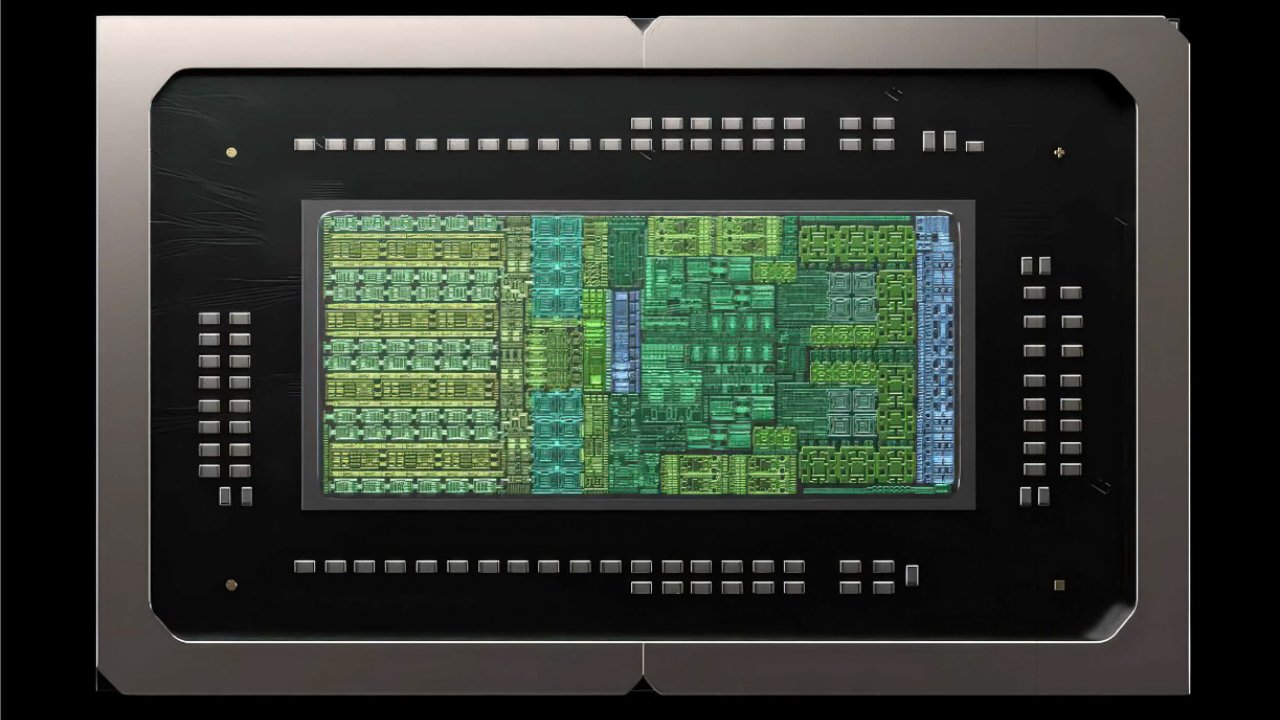
The GB10 chip runs off-the-shelf Arm CPU cores, not custom designed cores like Qualcomm and Apple, including 10 Cortex-X925 performance cores and 10 Cortex-A725 efficiency cores.
The thing is, both Qualcomm and Apple Arm chips have features baked into the hardware to help x86 code run well, including accommodations for how x86 handles memory storage. As far as I am aware, Arm’s Cortex cores do not have that.
What’s more, thus far Microsoft’s Prism emulation layer for Arm on Windows has really been an Emulation layer for Snapdragon X on Windows. It will absolutely need to be reworked for any Nvidia Arm CPU. Either that or Nvidia will have to do its own emulation layer.
Of course, if any company has the resources to push all that through, it’ll be Nvidia, the world’s most valuable corporation. But my overarching point here is that it seems unlikely that Nvidia’s first Arm chip in the PC will be killer for gaming, despite the promise of very powerful graphics.
The good news is that Nvidia has actually announced a next-gen CPU architecture for its AI platform, known as Vera, that sports custom-designed CPU cores with much higher performance.
For now, there’s absolutely no indication whether those cores are destined for the PC or if they support dedicated hardware for emulating x86 code. However, what is clear is that Nvidia has engineers designing Arm cores and that is certainly significant.
Valve’s getting in on Arm, too
Aside from Nvidia, another possible big player in all this is Valve. Yes, its new Steam Machine is a traditional x86-based device. But the new Steam Frame VR headset is an Arm-powered device, again with a Qualcomm chip, albeit a Snapdragon 8 Gen 3 model related to its smartphone SoCs as opposed to the PC-centric Snapdragon X.
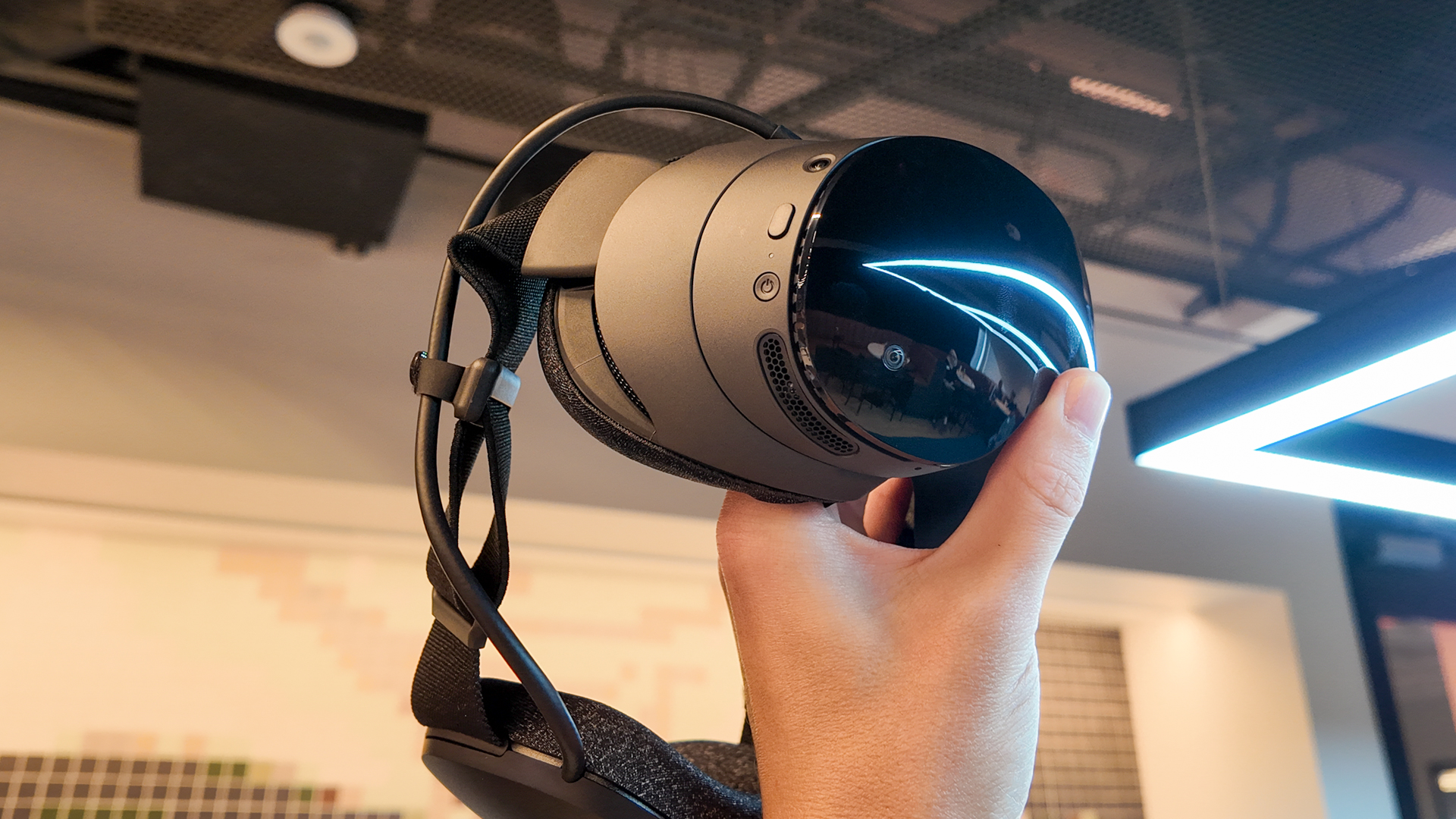
Anywho, the consequence is that Valve has created SteamOS for Arm with its own x86 translation layer known as FEX. Jacob spoke with Valve’s engineers about this exciting project in November.
It’s obviously very early days for Steam OS on Arm. But the mere fact that a company as important to PC gaming has developed a new gaming OS specifically for Arm chips is significant. It very much adds to the momentum.
Pencil in 2028 for PC gaming on Arm
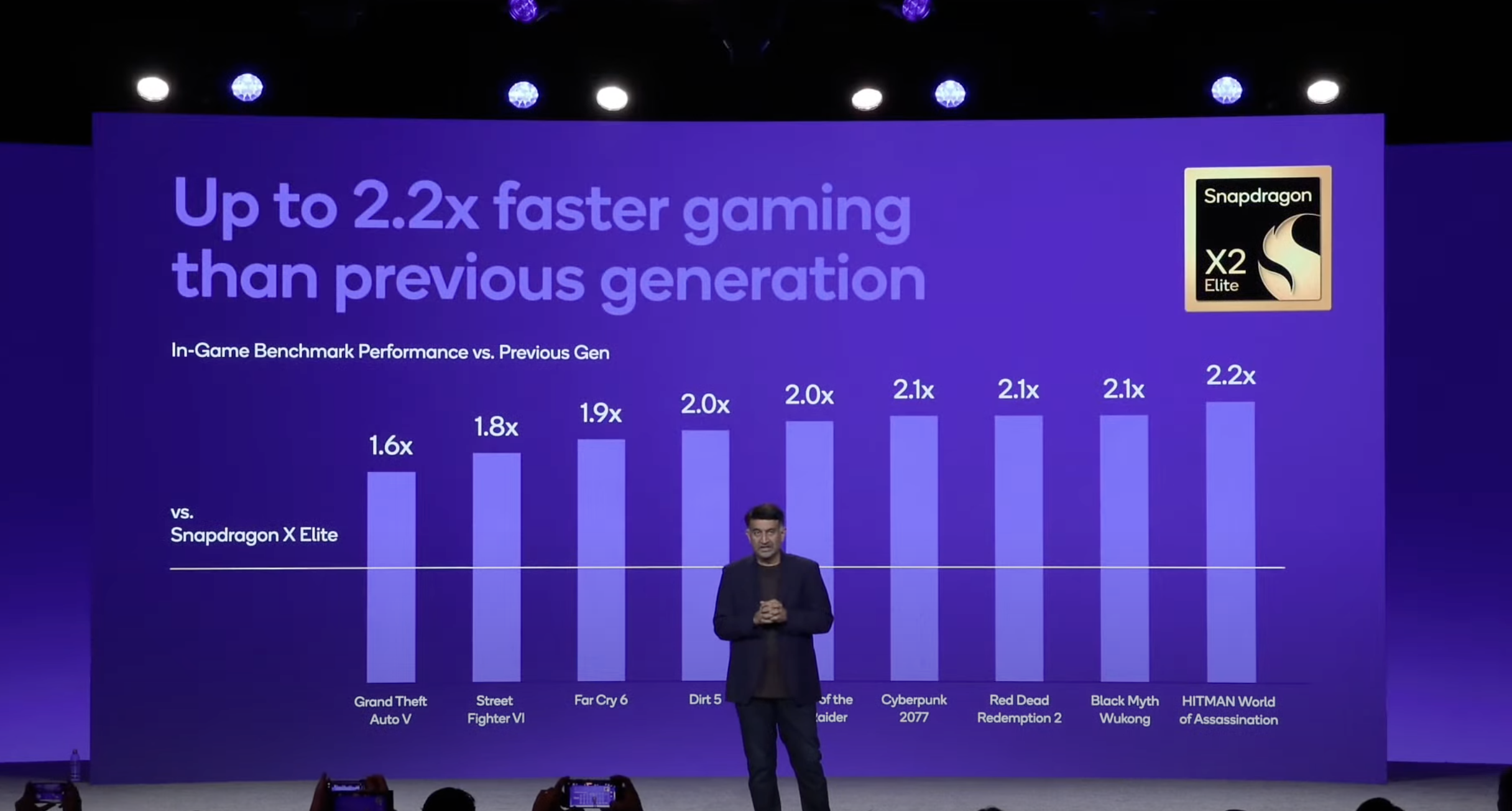
All of which leaves us with the question of when this Arm revolution for the PC will actually happen. Frankly, 2026 looks unlikely. Qualcomm’s second-gen Snapdragon X2 chip looks pretty nice. But it hardly has the makings of a gaming revolution.
Likewise, there are question marks over Nvidia’s first Arm chip in a PC gaming context. So, I’d say we need to look to 2027 or more likely 2028 and, hopefully, a second-gen Nvidia Arm chip with custom x86-optimised CPU cores. If that happens, the scene will surely be set for what could be the final battle between Arm and its ancient rival, x86.

This is an intriguing topic! The competition between Arm and x86 CPUs is definitely shaping the future of PC gaming. It will be interesting to see how this battle unfolds in the coming years.
Absolutely, it’s fascinating to see how this rivalry is evolving! With the rise of more powerful Arm architectures, it will be interesting to watch how game developers adapt their titles to optimize for both platforms. The next few years could really redefine performance standards in gaming.
Absolutely, it’s fascinating to see how this rivalry is evolving! With the rise of more powerful Arm chips, it will be interesting to see how game developers adapt their titles to leverage the unique strengths of both architectures. This could lead to some innovative gaming experiences in the near future!
Absolutely, it’s fascinating to see how this rivalry is evolving! With the rise of more powerful Arm chips, it’s interesting to consider how they could influence game development and optimization in the future. As developers adapt to this new landscape, we might see some innovative gaming experiences emerge!
I completely agree! The advancements in Arm architecture are impressive, especially with its focus on power efficiency. It will be interesting to see how developers optimize games for both platforms as competition heats up.