

Pasokon Retro is our look back at the early years of Japanese PC gaming, encompassing everything from specialist ’80s computers to the happy days of Windows XP.
The exhausting whirl of festive treats, family visits, and the lie I keep telling myself about having just one more chocolate tends to put me in a slothful fog over the holiday season, the thought of sitting down for some serious gaming all but impossible. Thankfully decades-old Japanese computer games have a solution for this self-inflicted fugue: Compile’s DiscStation series.
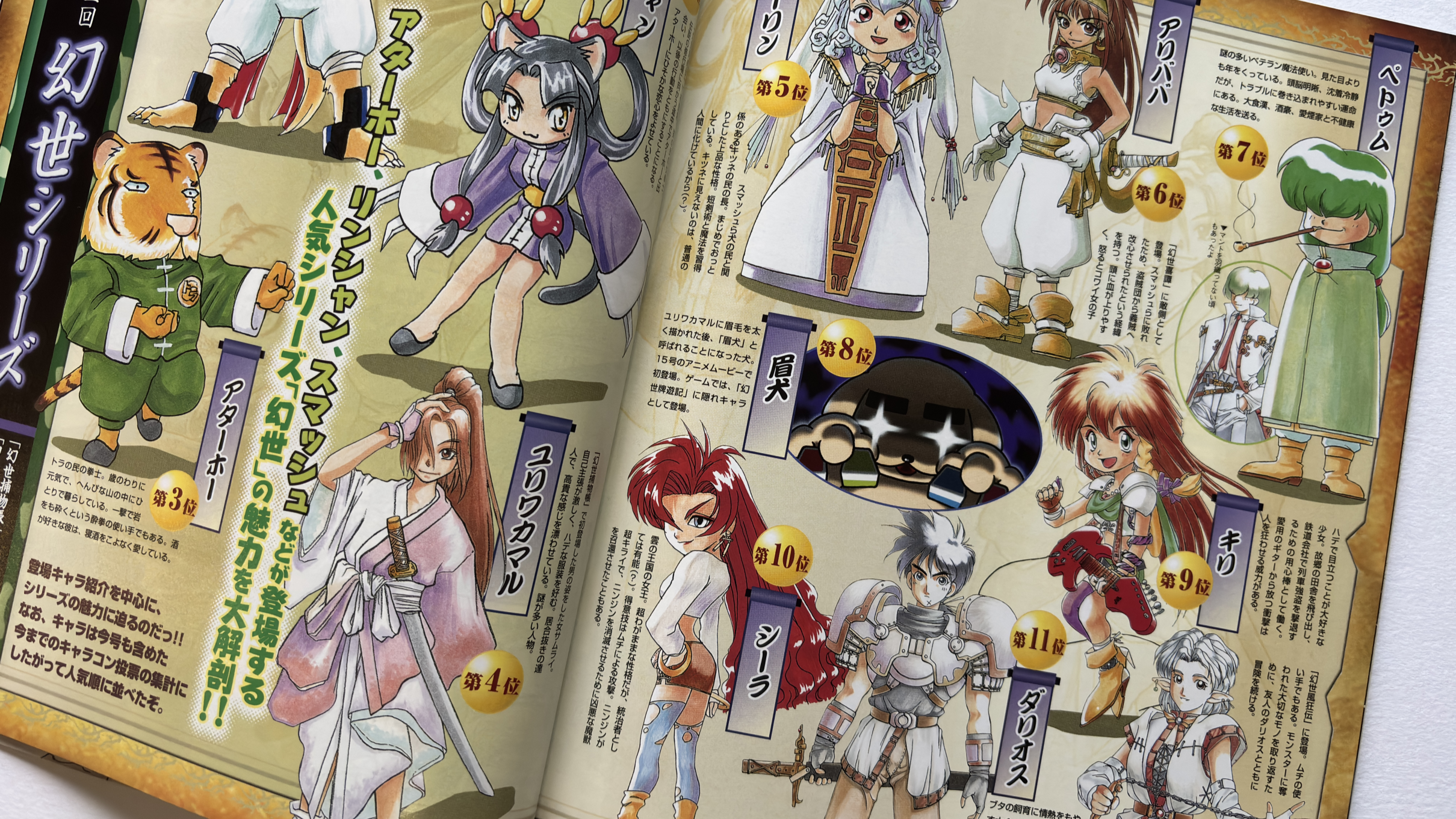
DiscStation was a successful series of quarterly magazine/CD hybrids (or magazine/floppy hybrids in its earliest form) created by the Puyo Puyo developer, focussed entirely on its own impressive and ever-expanding body of work. Much more than a typical combination of written features with a demo disc slapped on the cover, the paper portions burst with exclusive comics, lavish multi-page instructions, masses of world building material, reader-submitted fan art in all shapes and sizes, and the occasional poster. Even the adverts are delightful, pitching all sorts of rarely-seen Compile merchandise—edible snacks, pocket mirrors, tea cups, and towels.
And the discs? They’re a treasure trove of playable gems and digital goodies, a buffet designed to be casually picked at as I please. I only need a small handful of discs to be able to access:
- Action spinoffs of serious strategy games where heroines jump-kick their way around an arena instead of participating in turn-based combat
- Puyo puzzle editors
- Fresh slices of Jump Hero (a platformer starring a boy who is really good at exactly what you’d expect him to be good at)
- And even serialised action RPGs
Every spare byte gets put to good use, spare space filled with unique wallpapers, screensavers, and minigames.
Thanks to this anything-goes approach there’s little consistency between images placed in the same folder, never mind the wider disc (or magazine)—and I love it. No matter where I click I honestly have no idea what’s coming next. Maybe I’ll land on some weird little puzzle. Maybe I’ll spend the next half hour reading through a sound novel, mucking around with a browser-based game of rock-paper-scissors, or just enjoy the digital artwork on show.
Here are a few favourites I stumbled upon recently as I was digging through my discs and nostalgically flipping through magazines:
🧙♀️🏃Madou Run (DiscStation 19, 1998)
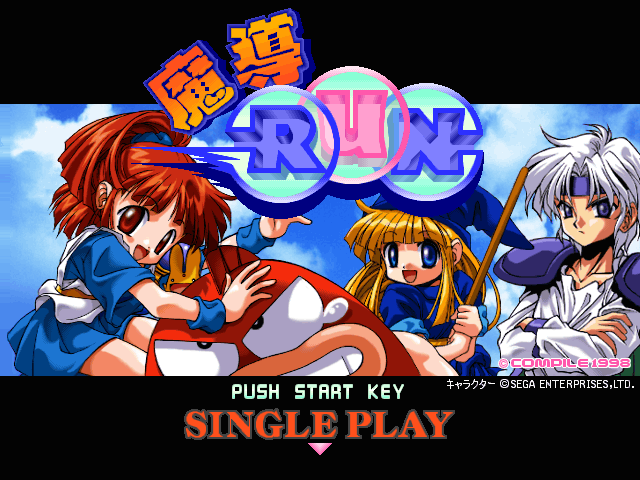
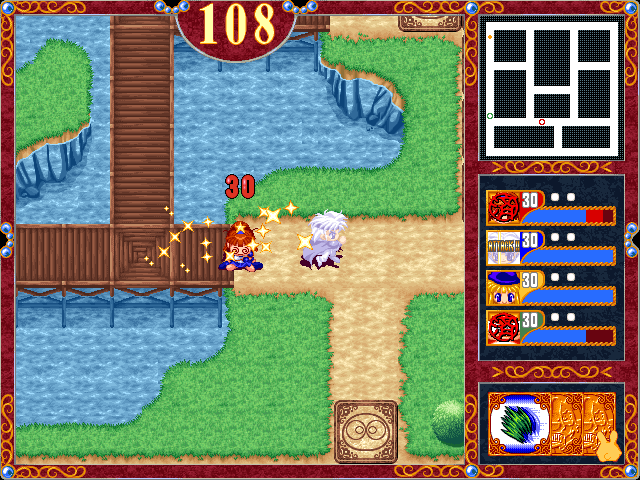

Best summed up as “What if Pac-Man was given a Compile makeover?”, this DiscStation exclusive pits four auto-running characters in a selection of mazes, each player aiming to be the last one standing. Thanks to the minimap showing where randomised items have spawned this quickly transforms into a surprisingly tactical game of chase: Players have to collect temporary speed-boosting dashes, opponent-blocking walls, and the all-important health-draining attack item before anyone else while steering as clear as possible of each other.
It’s small and simple enough to grasp just by experimenting during a single round, but still has enough to it to justify spending time with the included story mode, or roping some friends into the optional networked LAN play instead. Every time I play this, I wish it had been developed further into some sort of extensive party game or Pac-Man Championship Edition-style twist on maze chases.
💻🖼️Digital artwork

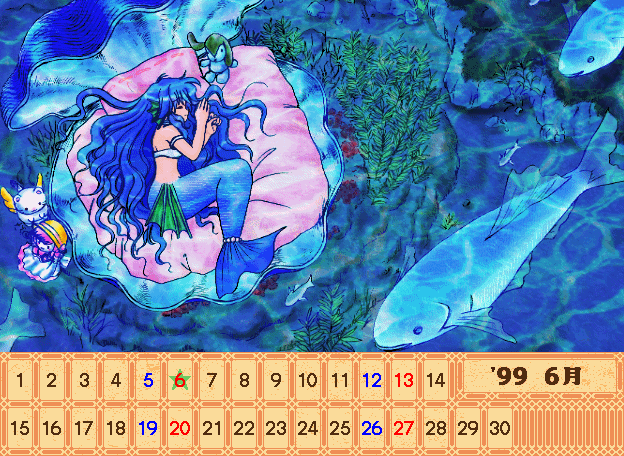
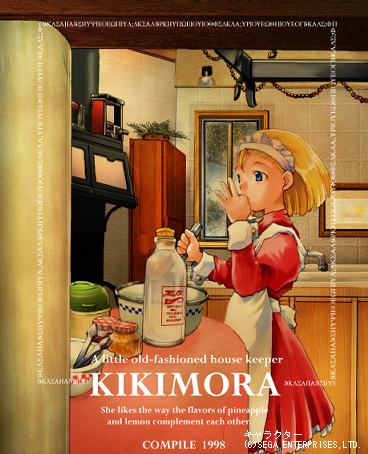
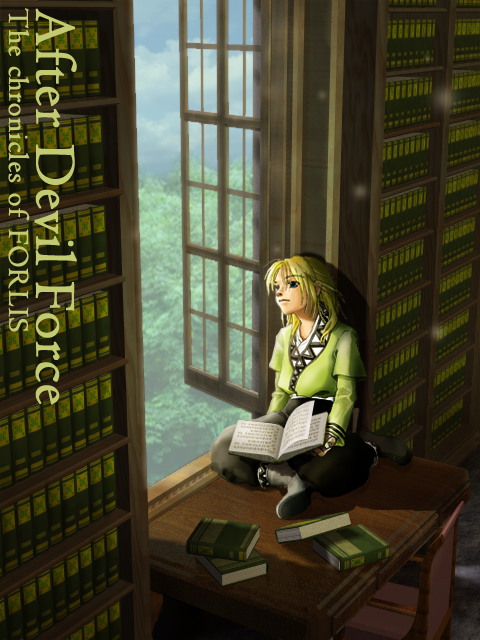
Every CD comes with a few images on the disc, some included just for the pleasure of looking at beautiful illustrations (and it really is a pleasure, seeing as they encompass everything from atmospheric shots of thoughtful RPG heroes to the Puyo cast goofing around), some intended to be used as monthly wallpapers, and others for seasonal messages. I find myself falling in love with images I didn’t even know existed, or wishing I wasn’t decades too late to paste one of the calendars to my desktop.
🎲Board games
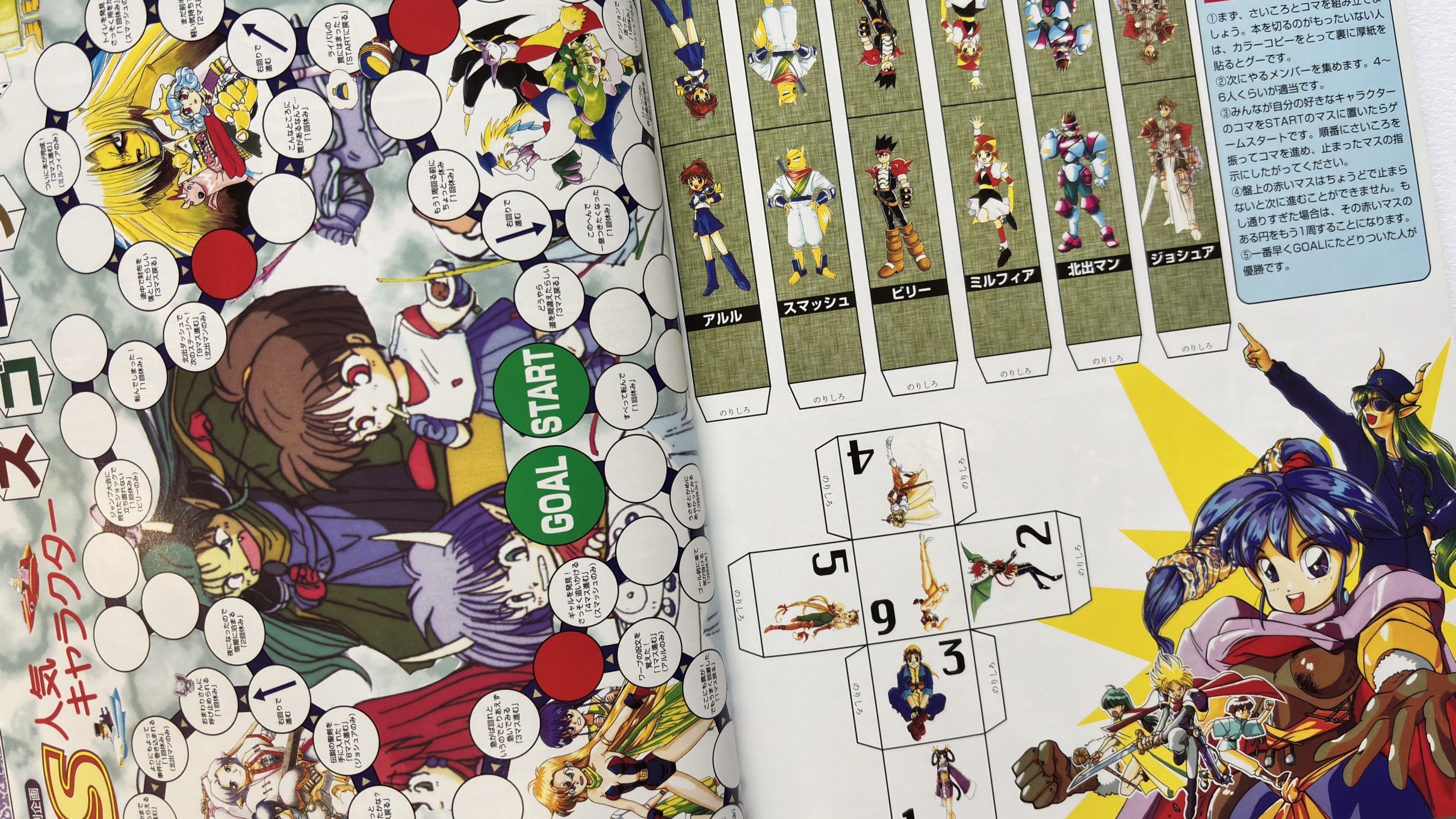
I was surprised to see two full colour pages used for a multiplayer board game. It even includes character standees and a themed dice to cut out and then use.
I couldn’t bring myself to take scissors to the magazine, but I can still admire the creativity on display.
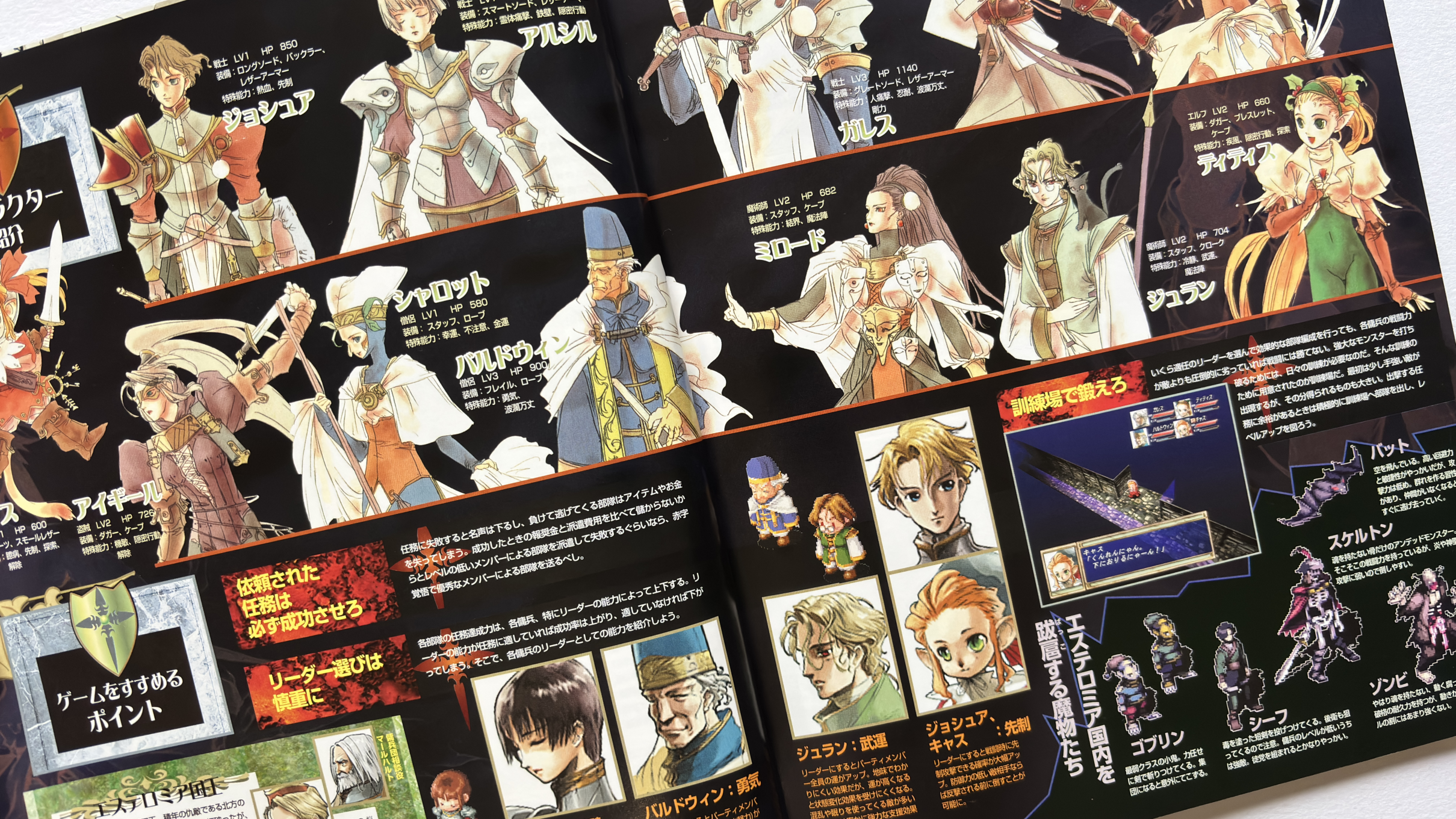
⚔️Geo Conflict 4, Part 1 (DiscStation 25, 1999)
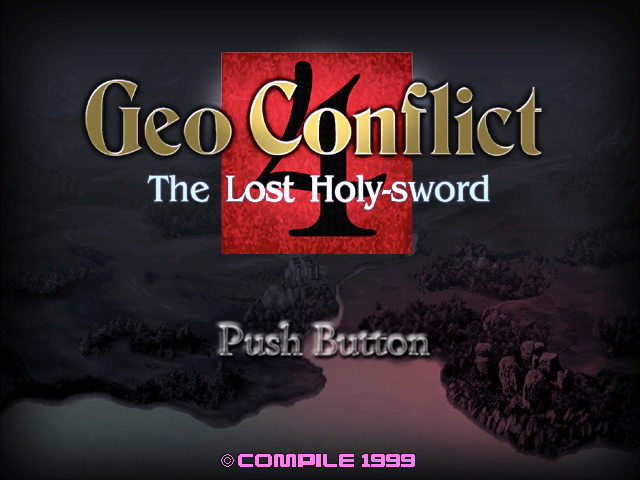
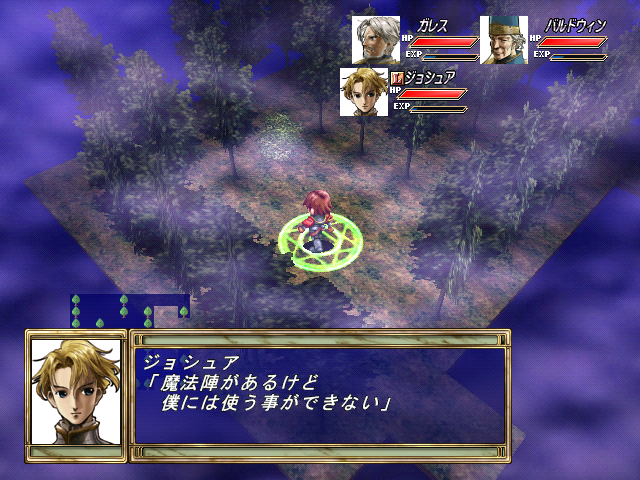

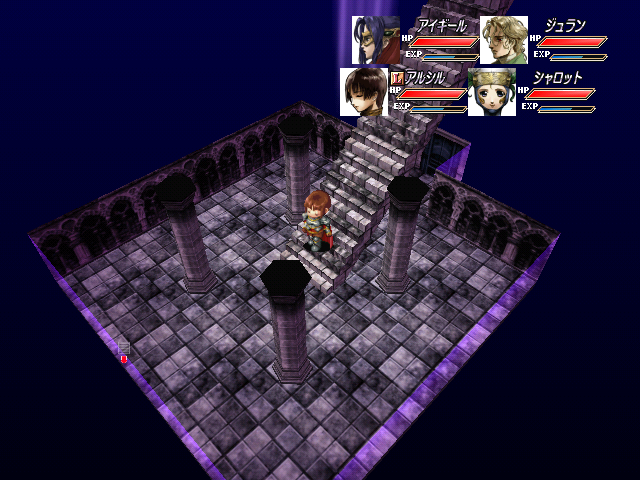

Some games were just too big—and too new—for one already packed disc to handle, and were spread out across multiple magazines instead. Geo Conflict 4 was one game that came serialised in this way, hot off the development team’s hard drives, and also serves as a great reminder that Compile was always more than ‘the cute puzzle game developer.’
This is more of a strategy game than an RPG, my control less direct than screenshots of dungeon layouts and battle scenes may imply. I’m expected to form teams and then order them to independently investigate mysterious places, or assist in monster-whacking requests for aid from village leaders. Once they get there I can nudge the group towards behaving in a particular way, such as encouraging/discouraging them to use offensive spells or items in battle, or whether I want them to focus on exploration or combat while wandering about. It brings an interesting management twist to fantasy adventuring, quests to go off and hit bats made to feel brand new once more.
📖🖌️Comics
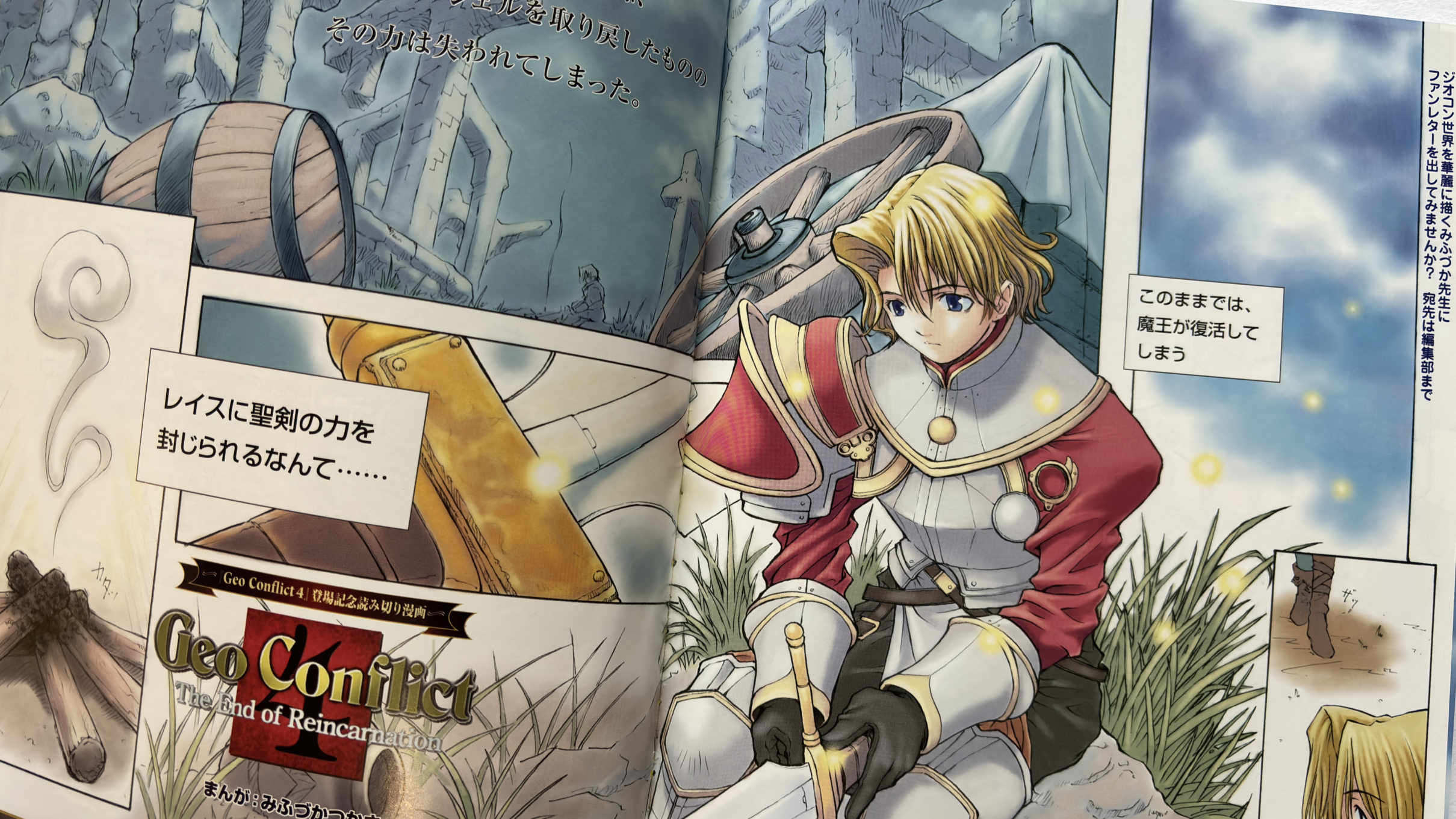
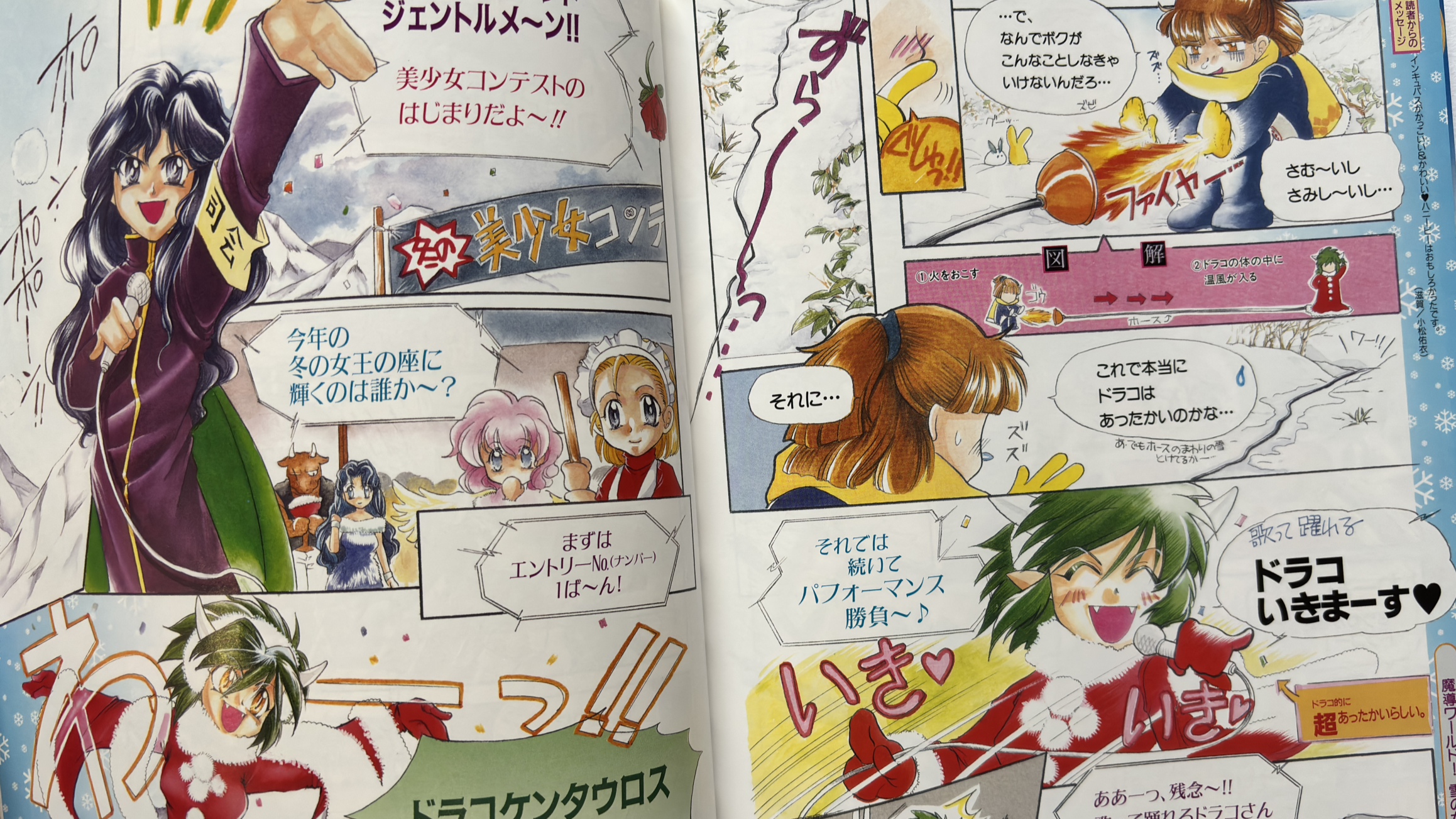
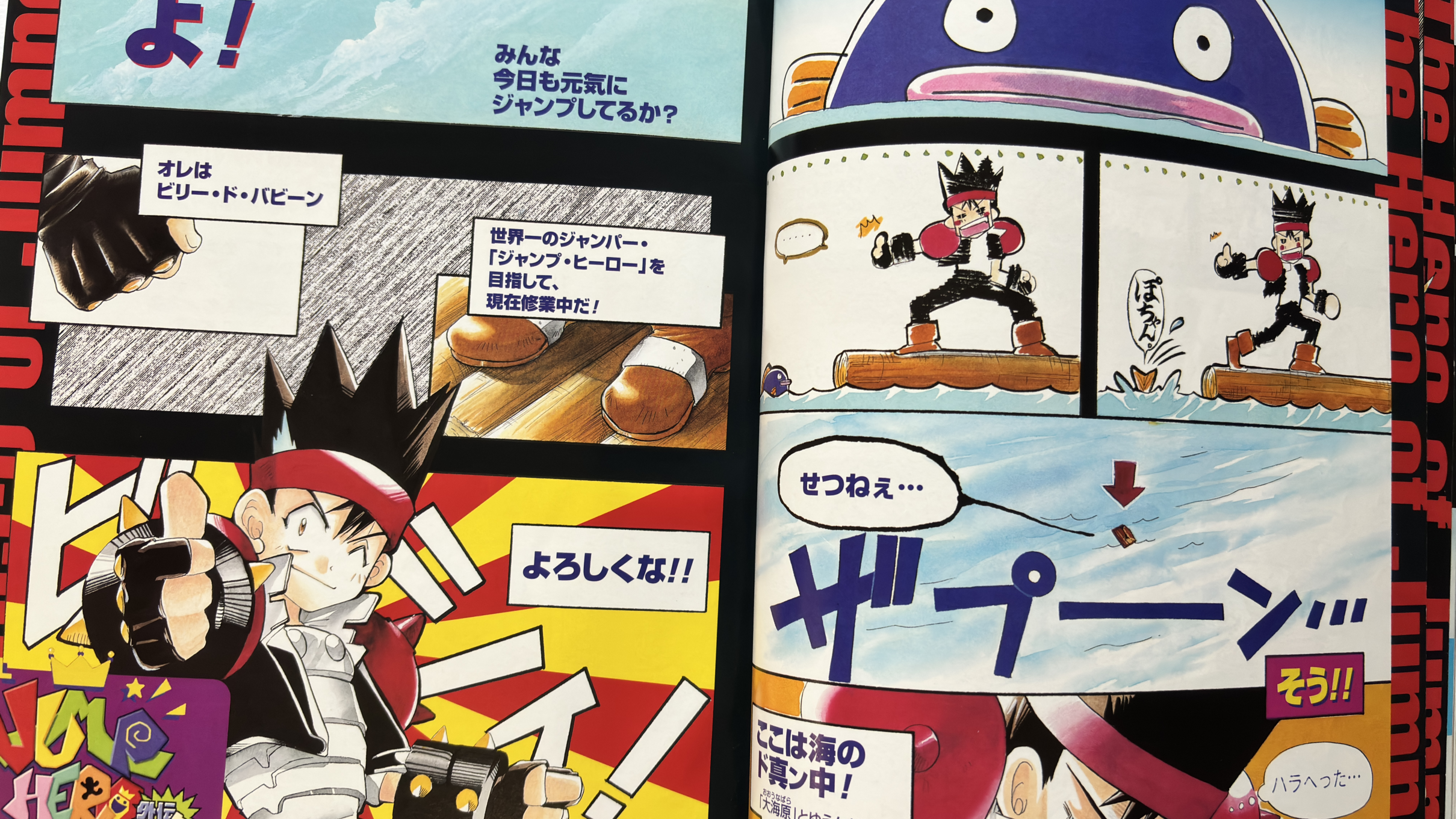
Choosing just one of these wonders to highlight is tough—do I celebrate Geo Conflict 4’s small slice of heroism? Jump Hero’s, er, jumping? So I think I’ll keep it simple, and go with the one that’s made me laugh the most instead: this ridiculous scenario involving Arle using magical fireballs to heat up a Santa-suited Draco for a wintry beauty contest, and the whole thing spiralling to the point of the performers being encased in ice.
The thing is, even this comedy is spread across six full-colour pages, turning what is really just a daft bit of fun into something that almost feels decadent—and also makes it easy to see why the magazine ran for as many years as it did. This is the premium Compile experience; no expense spared, nothing too much trouble for the fans.
There are plenty of good reasons to love these treat-filled experiences—the exclusives, the general quality, the glimpse into another time where Compile’s name had some weight to it—but for me it’s the infectious and slightly unusual mix of extreme enthusiasm and easygoing grazing that keep me coming back for more. Whether I want to spend a casual minute or a dedicated hour with DiscStation, I already know I’m never more than a few clicks or flips away from finding it.

This sounds like a fascinating journey into the world of early Japanese PC gaming! It’s great to see nostalgia being celebrated, especially with such unique insights. Looking forward to learning more about those classic game mags!
I’m glad you find it interesting! The blend of nostalgia and innovation in those early game mags really shaped the gaming culture we know today. It’s amazing to see how those early ideas have influenced modern gaming.
Absolutely! It’s fascinating to see how those early publications not only captured the essence of gaming at the time but also influenced the design and storytelling in modern games. The creativity in those pages really set the stage for the digital experiences we enjoy today.
You’re right! Those early publications really showcased the creativity and innovation of the gaming community at the time. It’s interesting to think about how they influenced modern gaming culture and the way we consume gaming content today.
Absolutely! It’s fascinating how those magazines not only highlighted games but also shaped the gaming culture at the time. They provided a platform for fans to connect and share their passion, which contributed significantly to the community’s growth.