


If you’re a longtime gamer, then there’s probably a console that oozes nostalgia for you.
Perhaps it’s the Game Boy Advance? Or maybe the N64?
What if I told you that an upcoming cosy game was built around the idea of revisiting our favourite electronics of yesteryear.
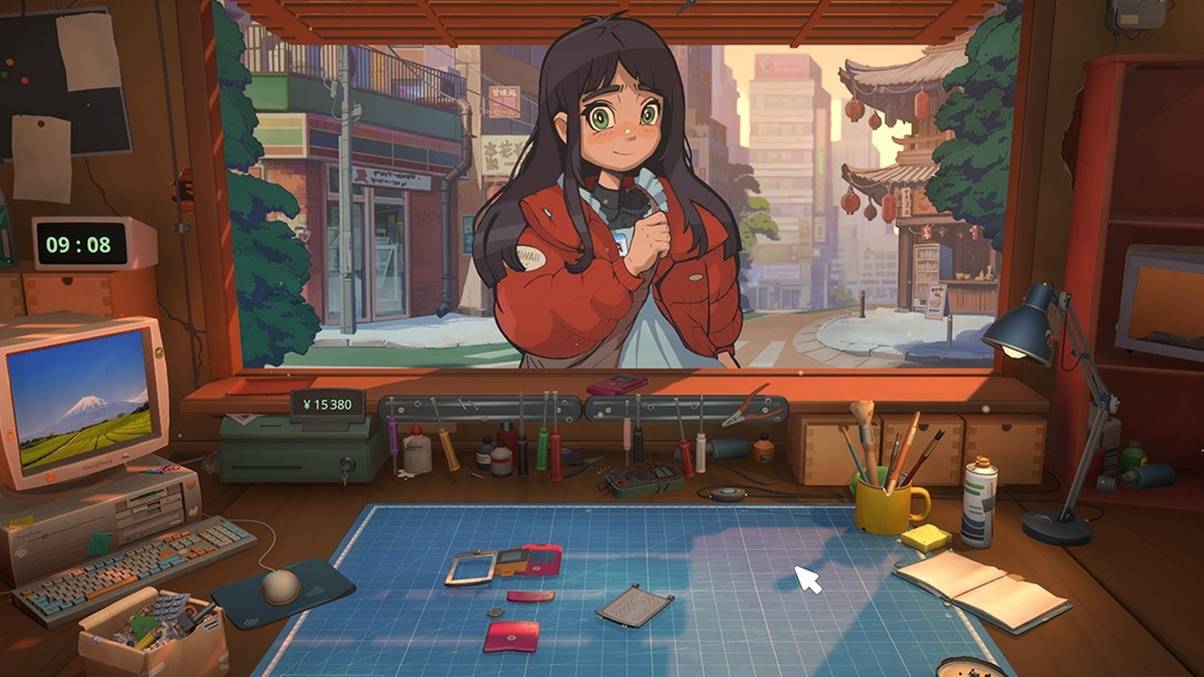
Well, unveiled during Wholesome Snack 2025, a key event in the cosy gaming calendar, Restory is just that.
Developed by Mandragora and published by tinyBuild , Restory dropped a world premiere trailer showcasing its Y2K electronics shop sim concept.
Essentially, Restory is set within mid-2000s Tokyo and sees you assume the role of an electronics repair shop owner.
People will visit your stall with their broken phones, cameras, music players and, most importantly, gaming consoles, hoping that you’ll be able to fix them.
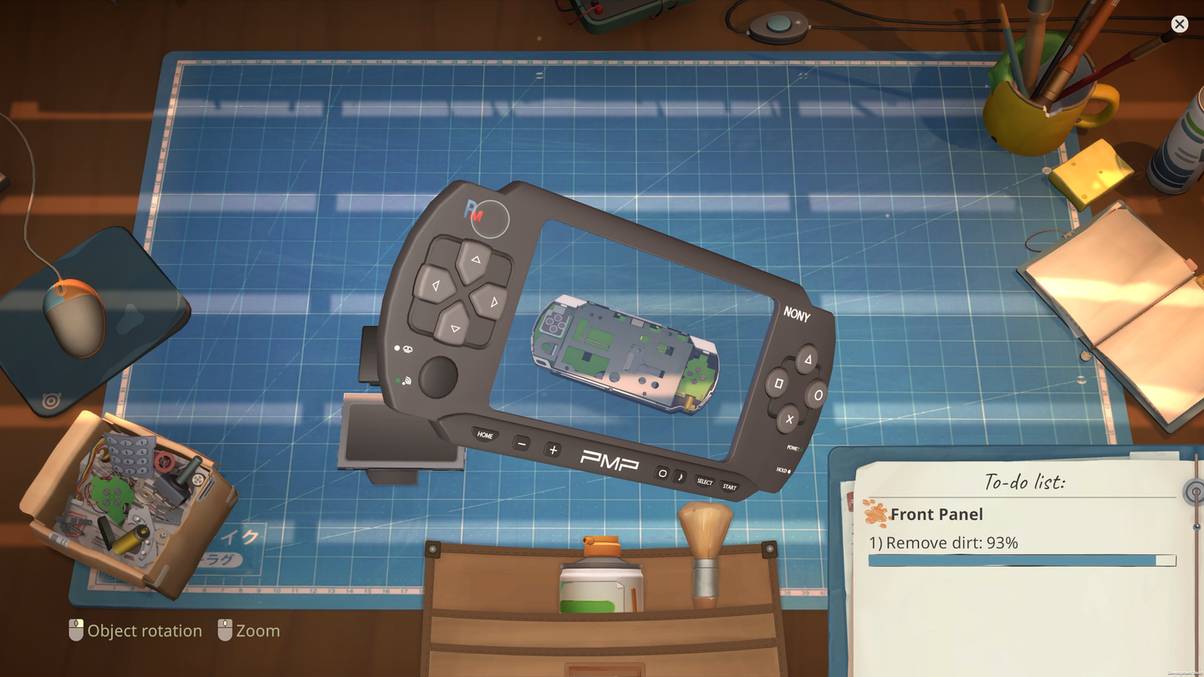
Fixing these items will include replacing components, sourcing spare parts online, and giving them a good clean; it’s all very cosy and meditative.
As for those aforementioned consoles, there will be tongue-in-cheek references to real life bits of kit; for example, in the trailer, we see our protagonist fixing a ‘PMP’ clearly in reference to a PSP.
In a press release, devs confirmed that Restory does feature official Atari items after Atari granted a license.
I did spot that the game’s key art also includes something that looks a lot like a Nintendo DS Lite.
Restory features a branching narrative that’ll unfold based on your choices which I’m imagining will be closely linked to your conversations with customers.
If you want to give Restory a go, you’re in luck as you can now join a free playtest on PC via Steam ahead of the game’s 2026 launch.
Our Hands-On Impressions
I’ve already had the opportunity to go hands-on with an early demo build of the game, sampling around one hour – and I only wish I could’ve played more.
Restory is incredibly satisfying; customers will bring in their items, which you’ll then painstakingly take apart, clean, and put back together.
It’s fiddly but then that’s where the game’s light sense of challenge comes into play.
More often than not, you’ll have to replace faulty components which means you’ll need to find a copy of that same item online.
Even here though, there’s a sense of strategy involved. You can buy a cheap item online, but it’s likely it’ll feature only a few usable parts, or you can pay more and get a near-working model.
The more you spend though, the more it’ll eat into your profit.
As I progressed through the game’s days, I built up a more stable stock of parts, very much increasing my productivity.
I also had a taste of the game’s narrative, with Restory offering various dialogue options that’ll affect how your customers feel about you.
The game is extremely relaxing and definitely one I’ll be picking up in 2026, so I suggest you give the upcoming playtest a go if your curiosity has been piqued.

This sounds like a fantastic way to revisit gaming history! Nostalgia plays such a big role in our love for games, and it’s exciting to see a project that captures that essence. Looking forward to seeing how this unfolds!
Absolutely! Nostalgia really does enhance the gaming experience, making it more meaningful. It’s interesting to think about how these classic games influenced modern designs and storytelling in today’s titles.