


Wow, would you look at that? Five years have flown by since Cyberpunk 2077 went from being a dream title, ready to usher in the next generation of gaming experiences, to being a nightmare for CD Projekt Red and legions of disgruntled players who found that the game was not at all what it promised to be when it was launched.
While that raised a lot of questions about whether a studio’s loyalties lie with its investors or players, those conversations failed to account for one factor: CD Projekt Red is a studio that doesn’t give up, and is known to create experiences that are labors of love.
The studio set up a redemption arc for its game that has transformed it into something else and made it even better with DLC that built on its strengths in all the right ways. Five years later, Cyberpunk 2077 stands as a testament to its creator’s ambitions and is a fine open world RPG for its players to dive into.
But what brought that transformation around? Join us and find out.
Setting Up The Story
Although it can be easy to see CD Projekt Red as a faultless party in Cyberpunk’s initial failure, that would be ignoring the studio’s penchant for hyping up its games in ways that fail to capture what’s actually on offer. It’s a tendency that saw the studio face a fair bit of backlash for its promotion of The Witcher 3: The Wild Hunt.
But what was wrong? A couple of trailers for the game showed off graphics that looked absolutely phenomenal. Watching Geralt take on a platoon of Nilfgardian soldiers, or take on a Bruxa at an abandoned shack in those trailers, gave the impression of a title whose graphics didn’t seem possible on gaming hardware at the time.
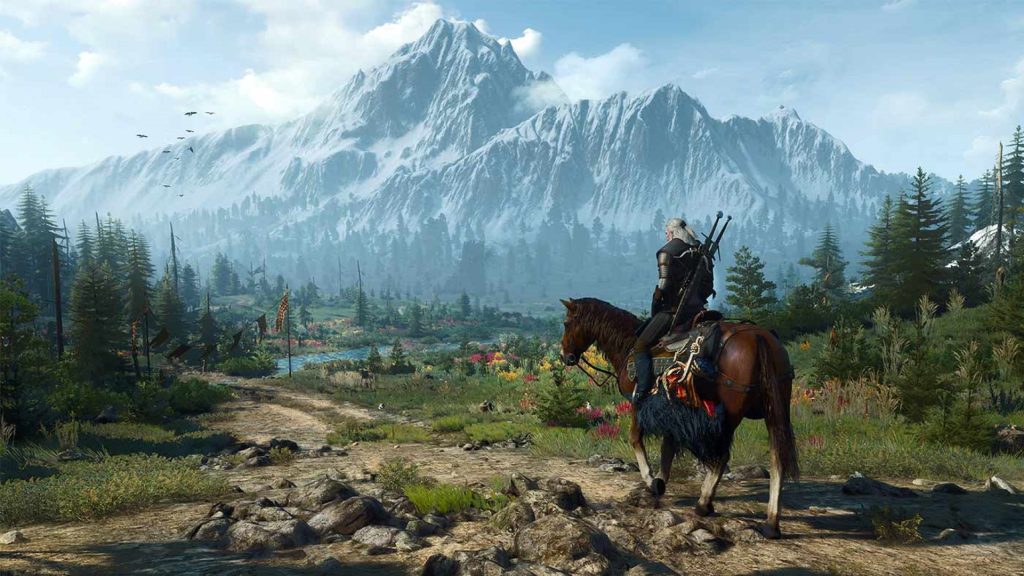
That’s because they weren’t. While the third addition to the studio’s Witcher franchise was quite a good looking title, it didn’t come close to what was shown in trailers, at least on the graphical front. In CDPR’s defence, the themes and narrative depth that the trailers showcased were very much on board, but it did rankle to see the studio make bold claims it clearly had no intention of meeting.
It was a similar story for Cyberpunk. Promotional materials showed off a dystopian city chock full of things to do, its visual splendor being a great selling point to anyone looking to upgrade to a next-gen machine. Several people, this writer included, did so with the hope of playing the best possible version of the game at launch. But that wasn’t to be.
Furthermore, it does pay to touch upon the fact that the game’s developers were keen on delaying Cyberpunk’s launch, seeking more time to iron out its kinks and present the experience they had always envisioned for the game. Multiple delays caused a lot of frustration among players, and CDPR was on the backfoot.
Ultimately, corporate interests took precedence over creative ones, and the game’s launch went on as planned, with a lot of cut content that included a train system, a fully explorable Arasaka space station, expanded character creation options, the third-person POV, and so much more. As we move on to what worked and what didn’t in the game itself, let’s just remember that CDPR was already on thin ice with its players, and their ire was perhaps well-earned.
It’s now time to dive into how Cyberpunk 2077 turned things around.
Strengths Hidden By Glaring Weaknesses
It’s prudent to remember that the game had a lot going for it even in its buggy mess of a launch state. This is a story that is CDPR at its finest, taking you across Night City in a desperate quest to save your life and your mind from the consequences of a botched, high-stakes heist. It’s compelling stuff, letting you see the story through the eyes of your character in an adventure that tackles some very complex themes.
It helps that Keanu Reeves lent his voice and likeness to Johnny Silverhand, bringing him to life in a way that had me rooting for his particular brand of anarchy and choosing to let him walk away into a digital sunset in one of the game’s endings. It also helped that those endings, and the story behind them, were crafted in collaboration with Mike Pondsmith in a very creative agreement between him and CDPR.
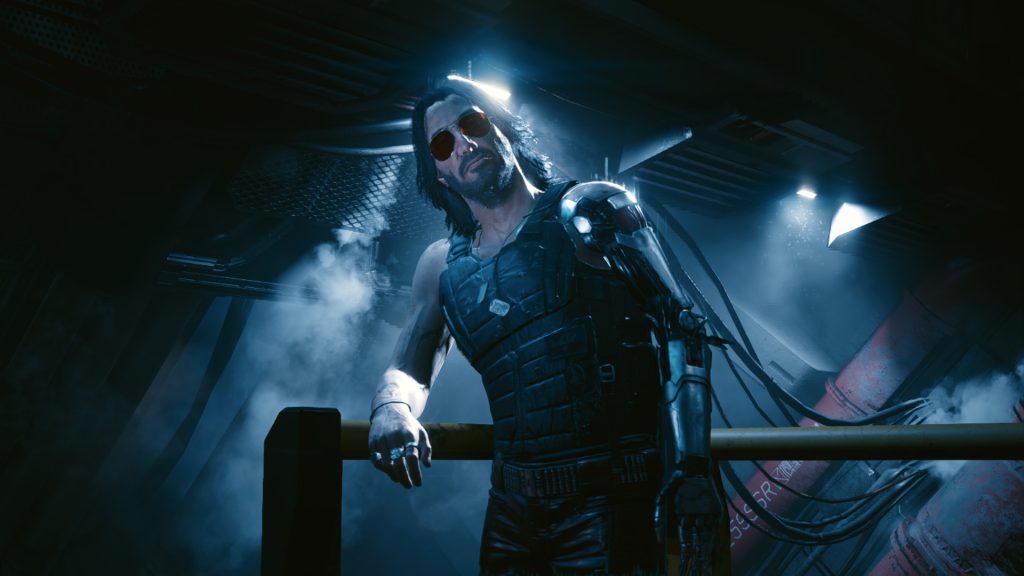
This meant that Johnny was joined by a cast of characters who stood out from the crowds in Night City’s streets, while the world was so full of incredibly detailed life that it was hard not to ignore the main story altogether in pursuit of a new mystery or questline. A combat system that was an absolute treat, with great variety in weapons, gear, and builds, was also a plus point.
But the game’s performance, both on the visual and graphical fronts, proved to be its undoing. Bugs that are now well-documented marred the experience on the PS4 and Xbox One versions, while the PS5 version fared no better. Things were so bad that CDPR even expressed a willingness to issue refunds, although reports of players unable to get those processed took a further toll on the studio’s reputation. Sony even pulled Cyberpunk 2077, easily among the most anticipated games of the year, off its PlayStation storefront thanks to the poor quality of the game at launch.
It was indeed disappointing to see CDPR lose so much ground after many years of building a reputation as a studio that kept its players in mind when it developed its games, making each one look and feel special as they were played through. But Cyberpunk was unplayable, and the studio needed to think fast.
A Swift and Sure-Footed Response
It’s here that Cyberpunk 2077’s redemption arc begins, not too long after its launch. CDPR was quick to step in and own the issues that were plaguing the game, resolving to have them sorted out and make it the experience it was intended to be. However, the studio would have to face no less than four lawsuits from investors, which it later settled, a showcase of just how badly it had lost the faith of the world at large.
But things turned around, and the studio managed to get the game up to scratch for the PS5 by June 2021, and the entire gaming world was then ready to fall under its spell. Subsequent updates have worked well to iron out kinks in an almost systematic fashion, while new additions to the gameplay loop have drawn a lot of praise over the game’s life cycle.
Cyberpunk 2077 was now a complete, solid, and well-performing experience, and now that its players could actually play it and discover just how ambitious it really was at the time, it began to soar. CDPR worked as quickly as Night City’s MaxTac, bringing its flagship title up to scratch and earning back the good graces of the gaming world in the process.
But the best was yet to come. Phantom Liberty came along, and it was an experience that we’d argue showcases the true depth of the Cyberpunk 2077 experience in many ways. The new additions it brought to the game felt like they were what perfected versions of the launch release’s best weapons would have felt like, while there was now even more build variety and ways to enjoy the gameplay loop.
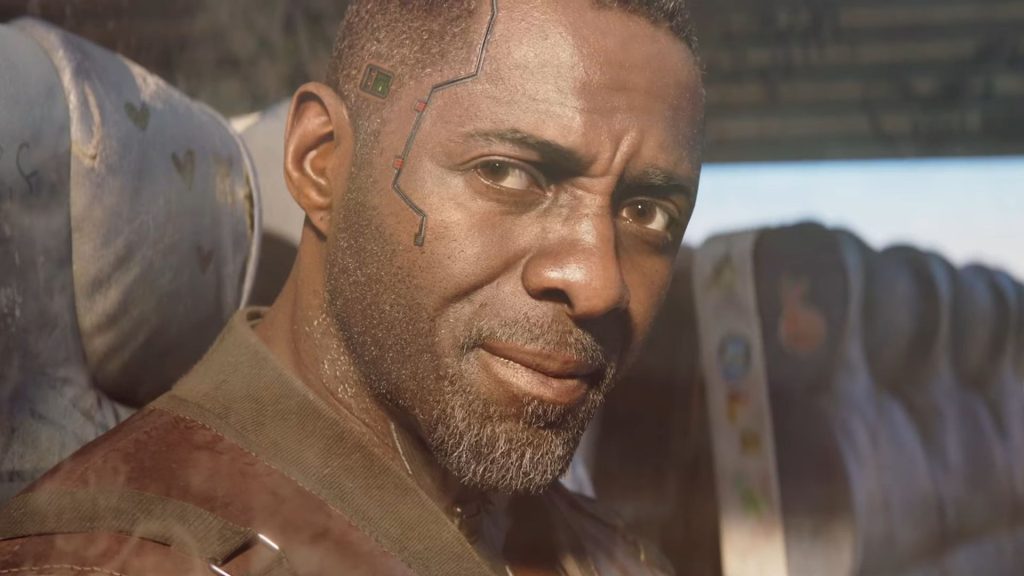
But its story, starring Idris Elba in a very memorable role, was the star of the show. It focused the action on a single, very intriguing corner of Night City, raising the stakes quite high while also bringing subtle alterations to endings in the base game based on your choices. It was excellent, and a riveting adventure set against the backdrop of events in the base game while also integrating its own narrative with what was already in place with almost poetic elegance.
There have been subsequent updates, each bringing something of value to add to the game, with the latest September 2025 patch perfecting issues with the Auto Drive system added in the January update, and resolving bugs with Photo Mode and a few quests. CDPR has done well to keep the game alive over the years, but with Cyberpunk 2 looming large in its future alongside a new Witcher title, one cannot help but wonder if it has learned from its mistakes.
A World Beyond Night City
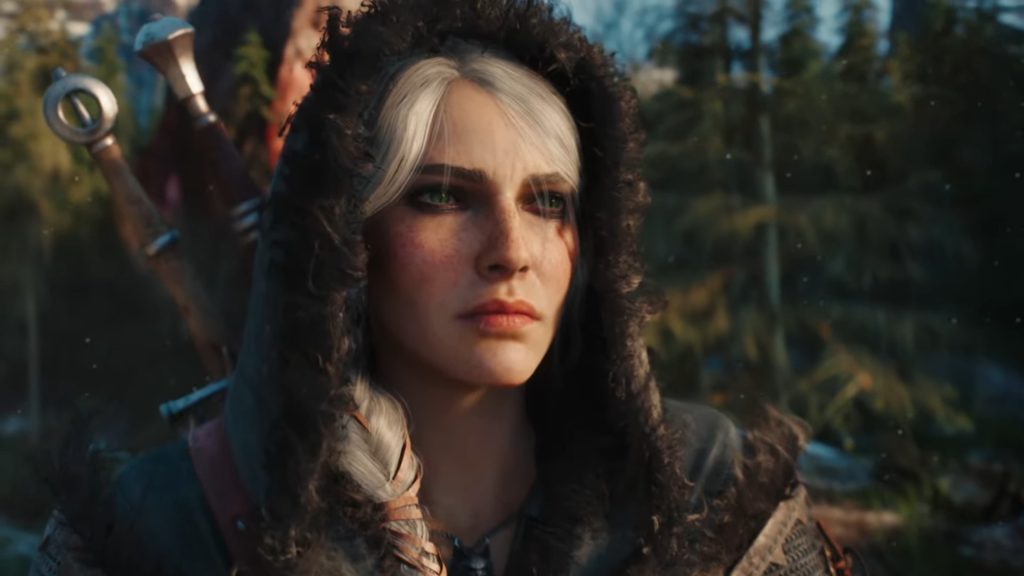
The recent technical showcase of The Witcher 4 had us wondering if CDPR was repeating the mistakes of its past. The stunning visuals on display as Ciri engaged with the locals of a very populated Kovir, coupled with the game’s announcement trailer, have us wondering if those are indeed what the final product is going to look like.
But with gaming hardware where it is today, they are indeed possible and perhaps even par for the course today. If the studio sustains the narrative quality and the intricate design it weaves into its open worlds, its next few titles might do much better than Cyberpunk 2077 when they eventually make it to our screens.
But until then, this mainstay in modern gaming would do well to remember how fickle fame can be, and that it’s probably better to launch a near-perfect game later than intended than to launch a messy one as scheduled. Here’s to hoping that the studio behind some of modern gaming’s finest titles is now on a path to further glory, free from the shackles of a turbulent few years.
Note: The views expressed in this article are those of the author and do not necessarily represent the views of, and should not be attributed to, GamingBolt as an organization.

It’s amazing to see how far Cyberpunk 2077 has come in just five years. The journey from its rocky launch to becoming a polished experience is quite impressive. It’s great to witness the dedication of the developers paying off!
Absolutely, it really is impressive! The developers have not only fixed many bugs but also expanded the game’s world and story through updates. It’s fascinating how player feedback has shaped the game into a more immersive experience.
Absolutely, it’s remarkable to see how far they’ve come! The addition of new content and storylines has really breathed fresh life into the game. It’s great that they listened to the community’s feedback, which shows their commitment to improvement.